
Plan Exterior Cleaning With Suitable Pressure Washing Methods
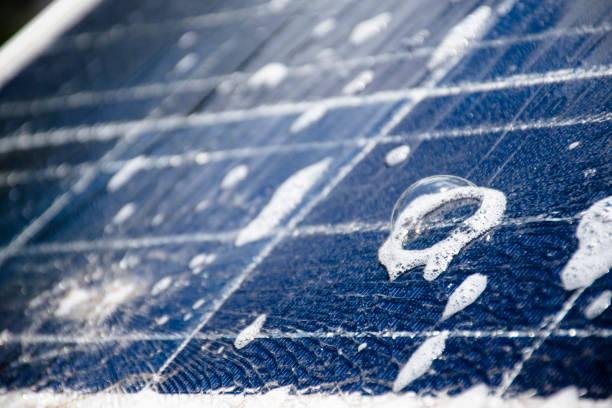
Outdoor surfaces collect dirt, dust, algae, and stains over time. Driveways may develop tyre marks, while walls gather grime from rain and pollution. Choosing suitable Pressure Washing methods starts with understanding the surface and the type of dirt involved. The aim is to remove unwanted build-up without causing damage to paint, mortar, paving, or other materials.
A good cleaning plan considers water pressure, nozzle choice, surface condition, and drainage. Concrete can often tolerate stronger cleaning than painted wood or delicate masonry. Using the same method everywhere may lead to poor results or costly repairs. A careful inspection helps determine which areas need deeper cleaning and which require a gentler approach.
How Pressure Washing Prepares Outdoor Surfaces for Cleaning
Planning begins with a close look at each area. Exterior pressure washing may be suitable for sturdy paths, patios, and certain walls, but every material has its limits. Check for loose paint, cracked mortar, damaged joints, and weak surface coatings. These issues may worsen under a strong water stream. Identify problem areas before choosing equipment or starting the work.
The type of dirt also affects the cleaning method. Loose dust may need little effort, while oily marks and long-standing grime can take more care. Outdoor surface cleaning works best when the method matches both the material and the contamination. Remove loose objects, protect nearby plants, and check where dirty water will flow. Preparation reduces avoidable mess and helps keep the work controlled.
Selecting Suitable Methods for Driveways and Walls
Driveway pressure washing often involves removing soil, tyre marks, and general grime from concrete or paving. Before cleaning, inspect the surface for cracks, loose blocks, damaged joints, and worn areas. Start with a lower pressure setting and test a small, hidden section. Increase the intensity only when the material tolerates it. This approach helps prevent surface damage and uneven cleaning marks.
Wall pressure washing needs a different level of care. Painted walls, render, brick, and other exterior finishes respond differently to water pressure. A forceful stream may remove paint, damage mortar, or push water into gaps. Washing exterior walls to remove surface stains should begin with a material check and a small test area. Softer washing methods may be more suitable for fragile or coated surfaces.
Removing dirt from concrete driveways
Removing dirt from outdoor concrete driveways may require steady, even cleaning rather than holding the nozzle in one spot. Work in manageable sections and keep the nozzle at a consistent distance. Check the result as you go. A suitable surface cleaner may produce more even results on broad, flat areas than a narrow jet held too close.
Cleaning exterior walls with care
For exterior walls, begin by checking the finish and looking for open joints or loose coatings. Use a gentle approach on delicate materials, and avoid directing water into vents, gaps, or damaged areas. If stains remain after a careful test, consider a suitable cleaning product or professional advice instead of raising the pressure without limits.
Removing Stains, Mould, and Stubborn Grime Safely
Some marks need more than water alone. Cleaning driveways covered with dirt and grime may involve loosening debris before washing the surface. Oil stains, organic growth, and dark marks can respond differently to cleaning methods. Identify the likely source of the stain before choosing a treatment. A method that works on ordinary soil may not remove oil or biological growth effectively.
Removing mould and stains from exterior surfaces requires particular care. Wet growth can make paths slippery, while unsuitable cleaning products may harm plants or nearby materials. Avoid mixing cleaning chemicals, and follow the product label when a treatment is needed. Use protective equipment as directed and keep people away from the work area. Persistent growth may need a suitable specialist treatment rather than stronger water pressure.
Treat stubborn marks before washing
Examine difficult stains before starting the main cleaning process. Some marks may need a compatible cleaning solution and time to loosen. Test any product on a small area first and follow its instructions. Do not assume that increasing water pressure will solve every problem. Stronger pressure can roughen concrete, damage joints, or leave visible marks without removing the stain.
Manage mould and organic growth
Algae and mould may return when damp conditions remain. Remove growth using a method suitable for the surface and the type of contamination. Protect nearby plants from spray and cleaning products. If growth covers a large area or keeps returning, consider whether poor drainage, shade, or trapped moisture is contributing to the problem.
Maintaining Clean Outdoor Surfaces After Washing
Good results depend on what happens after cleaning. Maintaining clean outdoor surfaces with pressure washing begins with checking the area once it has dried. Look for missed patches, damaged joints, and marks that remain visible. Avoid repeating aggressive cleaning over the same section without understanding why the stain remains. Some surfaces may need repairs or a separate treatment rather than another wash.
Pressure cleaning should also fit into a sensible maintenance plan. Regular sweeping removes loose dirt before it becomes firmly attached. Clearing leaves and improving drainage can reduce standing moisture in problem areas. Inspect driveways, patios, and walls from time to time, especially after heavy rain or seasonal changes. Cleaning only when needed can reduce unnecessary water use and limit wear on vulnerable surfaces.
Protect nearby areas during cleaning
Before work begins, move outdoor furniture and cover sensitive items where needed. Keep water away from electrical fittings, open windows, and vulnerable openings. Check the manufacturer's instructions for the machine and any attachments. Direct runoff towards a suitable drainage point, while avoiding the spread of dirt or cleaning products onto neighbouring areas.
Know when to seek professional help
Professional cleaners may be useful when surfaces are fragile, stains are persistent, or access is difficult. They can assess the material and select suitable equipment for the job. Consider professional advice for historic masonry, damaged render, delicate coatings, or large areas of mould. A cautious assessment may prevent damage that would cost more to repair than the cleaning itself.
Conclusion
A successful outdoor cleaning plan begins with the surface, the stain, and the condition of the area. Pressure Washing methods should be chosen to suit each material rather than applying one setting everywhere. Inspect driveways and walls, test a small area, protect nearby features, and manage runoff carefully. Regular maintenance can also reduce heavy build-up and help outdoor surfaces remain cleaner between washes.
FAQs
1. What surfaces are suitable for pressure washing?
Strong concrete and some paving may tolerate pressure washing. Painted walls, render, wood, and delicate masonry often need gentler methods. Always inspect the material and test a small area first.
2. How should I clean a dirty concrete driveway?
Remove loose debris, check for cracks, and begin with a suitable low pressure setting. Clean in even sections and adjust the method only when the concrete tolerates it.
3. Can pressure washing remove mould from exterior walls?
It may remove some surface growth, but the correct method depends on the wall material and the type of growth. Delicate surfaces may need a suitable treatment or professional assessment.
4. Why should I avoid excessive pressure on walls?
Excessive pressure can damage paint, weaken mortar joints, strip coatings, and force water into gaps. A gentle test helps reveal whether the surface can tolerate the chosen method.
5. How often should outdoor surfaces be cleaned?
There is no single schedule for every property. Cleaning frequency depends on weather, shade, drainage, surface use, and how quickly dirt builds up. Regular inspections help identify when cleaning is needed.

 English
 Arabic
 French
 Spanish
 Portuguese
 Deutsch
 Turkish
 Dutch
Dutch
 Italiano
 Russian
 Romaian
 Greek
Greek