
Why Weed Smells Different: The Science Behind Cannabis Aromas
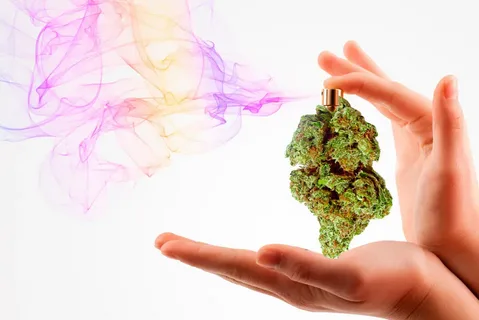
Walk into any dispensary and you'll notice immediately the sheer range of smells coming off jars that all technically contain the same plant. One strain smells like fresh citrus peel, another like diesel fuel, another like a bakery. If you've ever wondered why your friend's favorite indica smells nothing like yours, you're not imagining things. Budtenders at places like Smoakland cannabis field this question constantly, and the answer comes down to plant chemistry, not marketing. Understanding what actually produces these aromas can also make you a smarter shopper, because smell often tells you more about a strain's effects than the label does.
The Real Source of Cannabis Smell: Terpenes
Most people assume THC is responsible for the weed's smell. It isn't. THC and CBD are cannabinoids, and on their own they're basically odorless. The smell comes from a separate class of compounds called terpenes, the same aromatic oils responsible for the scent of pine trees, lavender fields, and orange rinds.
Cannabis plants produce terpenes in the same sticky trichomes that produce cannabinoids, which is part of why the two get confused. But terpenes exist for their own biological reason: they attract pollinators, repel pests, and protect the plant from environmental stress like UV exposure or fungal invasion. Humans just happen to enjoy the byproduct.
How Terpenes Are Produced
Terpene production starts early in the plant's flowering stage and intensifies as buds mature. Factors like soil composition, light exposure, humidity, and even the time of harvest all influence which terpenes dominate and in what concentration. This is why two plants of the same strain, grown in different environments, can smell noticeably different from each other. It's less like a fixed recipe and more like wine grapes reacting to terroir.
Why Terpenes Matter Beyond Smell
Terpenes aren't just cosmetic. Research into the "entourage effect" suggests terpenes interact with cannabinoids to shape the overall experience of a strain influencing whether it feels sedating, energizing, or something in between. That's why experienced growers and dispensary staff often talk about terpene profiles as much as THC percentage when describing a strain's effects.
The Most Common Cannabis Terpenes and What They Smell Like
There are over 150 terpenes identified in cannabis, but a handful show up again and again in commercial strains.
Myrcene
Myrcene is earthy, musky, and slightly fruity often compared to ripe mango or cloves. It's the most abundant terpene in many commercial strains and is commonly associated with the heavy, relaxed feeling people describe after smoking certain indicas.
Limonene
As the name suggests, limonene smells like citrus lemon rind in particular. Strains high in limonene tend to have a bright, uplifting scent, and this terpene is also found in citrus fruit peels and some cleaning products, which is why it's so instantly recognizable.
Pinene
Pinene smells exactly like a walk through a pine forest. It's one of the most common terpenes in nature overall, found in pine needles, rosemary, and basil. Cannabis strains high in pinene often carry a sharp, fresh, almost medicinal edge.
Caryophyllene
Caryophyllene is peppery and spicy, and it's unique among terpenes because it can also bind to cannabinoid receptors, giving it properties similar to a cannabinoid itself. It's the same compound that gives black pepper its kick.
Linalool
Linalool brings a floral, lavender-like sweetness. It's the same terpene found in lavender plants themselves, and strains rich in linalool are often marketed for their calming aroma.
Why Different Strains Smell So Different
If terpenes are the building blocks, strain genetics are the blueprint. Breeders select for certain terpene combinations the same way they select for potency or yield, which is why an OG Kush and a Girl Scout Cookies phenotype can smell like completely different plants despite sharing lineage.
Genetics and Terpene Expression
Every cannabis cultivar has a genetic terpene "fingerprint," but expression can vary based on the specific phenotype grown out. This is why two plants grown from the same seed pack sometimes smell slightly different; small genetic variations lead to different terpene ratios.
Growing Conditions and Environmental Stress
Light intensity, temperature swings, and even how much a plant is handled during flowering can shift terpene output. Growers who intentionally stress plants (within limits) sometimes see a boost in aromatic intensity, which is part of why boutique and craft-grown flowers often smell noticeably stronger than mass-produced products.
Curing and Storage: The Overlooked Aroma Factor
Even a genetically superior, well-grown plant can lose its smell if it isn't cured properly after harvest.
The Drying and Curing Process
Freshly harvested cannabis is trimmed and dried slowly, then cured in airtight containers for one to several weeks. This process allows chlorophyll to break down and terpenes to stabilize, which is why properly cured flowers smell cleaner and more complex than flowers that were rushed to market. Poorly cured buds often smell grassy or hay-like instead of showcasing their actual terpene profile.
Storage After Purchase
Terpenes are volatile compounds, meaning they evaporate over time, especially when exposed to heat, light, and air. Cannabis stored in a cool, dark place in an airtight container retains its aroma and its effects far longer than flower left in a plastic bag on a windowsill. This is one reason experienced consumers pay close attention to how a dispensary packages and stores its product before they buy.
Why Aroma Is a Legitimate Way to Judge Quality
Smell isn't just about pleasure, it's diagnostic. A pungent, distinct aroma usually signals a high terpene content, which often correlates with a well-grown, well-cured product. Flowers that smell faint, musty, or like hay can indicate poor curing, age, or improper storage, even if the THC percentage on the label looks impressive.
This is why many longtime cannabis consumers judge quality by nose before they ever check a lab result. It's also why walking into a dispensary and being able to actually smell the flower rather than buying sealed product sight (and smell) unseen is such a valued part of the shopping experience for people who care about what they're getting.
If you're in Northern California and want to compare aromas across strains without leaving your couch, you can browse a wide selection when you shop weed online sacramento shoppers already trust, where product descriptions typically list dominant terpenes alongside THC content so you know roughly what to expect before it arrives.
Real-World Example: Comparing Two Popular Strains
Consider two strains commonly found on dispensary shelves: Sour Diesel and Granddaddy Purple.
Sour Diesel is famous for its sharp, fuel-like aroma, driven largely by high concentrations of caryophyllene and limonene. That pungent, energizing smell lines up with its reputation as an uplifting, daytime strain.
Granddaddy Purple, by contrast, carries a sweet, grape-like aroma thanks to a myrcene-dominant terpene profile, and it's typically associated with the heavy, relaxed feeling people reach for at the end of the day.
Neither strain's reputation is accidental; the terpene chemistry and the reported effects line up in a way that's been observed consistently across growers, consumers, and, increasingly, formal research.
Final Thoughts
The next time you crack open a jar and get hit with citrus, pine, or fuel, you're not just smelling "weed" , you're smelling a specific, measurable chemical profile shaped by genetics, growing conditions, and curing technique. Terpenes are the reason no two strains smell quite the same, and learning to recognize a few of the common ones can genuinely improve how you choose flowers going forward. Aroma isn't a marketing gimmick; it's chemistry you can actually put your nose to.
Frequently Asked Questions
Does the smell of weed indicate its potency?
Not directly. A strong aroma indicates a high terpene content, not necessarily a high THC percentage. However, terpene-rich flowers are often a sign of a well-grown, well-cured product overall.
Why does my weed smell weaker after a few weeks?
Terpenes evaporate over time, especially with exposure to air, light, and heat. Proper storage in an airtight, opaque container slows this process significantly.
Can two plants of the same strain smell different?
Yes. Growing conditions, curing techniques, and even minor genetic variation between phenotypes can all cause aroma differences within the same named strain.
Is the smell related to how the strain makes you feel?
Many researchers believe terpenes contribute to the "entourage effect," working alongside cannabinoids to shape whether a strain feels energizing, relaxing, or something in between. Smell alone isn't a guarantee of effect, but it's a useful clue.
Why do some strains smell like fuel or skunk?
That pungent, sulfur-like scent typically comes from a class of compounds related to thiols, which occur alongside terpenes in certain diesel-leaning genetics like Sour Diesel or Skunk #1.

 English
 Arabic
 French
 Spanish
 Portuguese
 Deutsch
 Turkish
 Dutch
Dutch
 Italiano
 Romaian
 Portuguese (Brazil)
 Greek
Greek