
Why Proper Recovery Matters After a Sports Injury
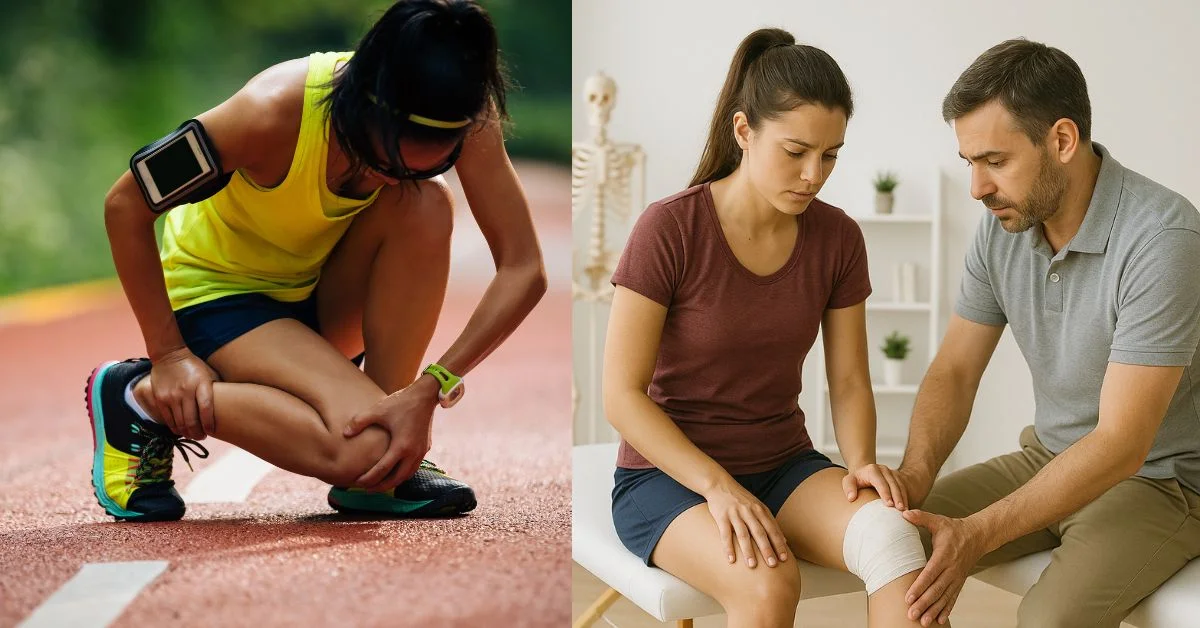
Sports injuries are a common reality for athletes at every level of participation. Whether the injury is a minor ankle sprain or a significant ligament tear, the quality of the recovery process fundamentally determines the long-term outcome. Many athletes underestimate the importance of proper recovery and rush back to activity as soon as pain subsides. This rush is one of the most costly mistakes in sports injury management. Understanding why proper recovery matters, what it involves, and what the consequences of inadequate recovery are, helps athletes make better decisions during one of the most critical phases of their athletic lives.
The Biological Reality of Tissue Healing
Every sports injury triggers a biological healing response that proceeds through three overlapping phases. The inflammatory phase lasts approximately three to five days and involves the delivery of immune cells, growth factors, and repair proteins to the injury site. The proliferative phase extends from approximately one week to six weeks and involves the production of new collagen that fills the tissue defect. The remodeling phase begins around six weeks and continues for up to two years as the immature collagen scaffold is progressively organized into stronger, more functional tissue.
Each of these phases has specific biological requirements for optimal progression. The inflammatory phase requires adequate blood supply, appropriate nutritional building blocks, and protection from loading that would disrupt the developing repair response. The proliferative phase benefits from controlled mechanical loading that stimulates collagen production and organization. The remodeling phase requires progressively increasing mechanical demands that organize the maturing collagen fibers along the lines of functional stress.
Proper recovery creates the conditions that support each of these biological phases in sequence. Adequate initial protection prevents disruption of the early repair response. Progressive therapeutic loading stimulates optimal collagen production and organization during proliferation. Systematic and progressive return to sport-specific loading during remodeling aligns the maturing tissue with the functional demands it must eventually meet. Inadequate recovery disrupts these phases and produces tissue that is structurally inferior to properly healed tissue.
The High Cost of Inadequate Recovery
The most immediate and significant cost of inadequate recovery is a dramatically elevated re-injury risk. Tissue that has not fully healed through all three biological phases lacks the structural integrity and mechanical tolerance of mature healed tissue. When this incompletely healed tissue is subjected to the demands of training and competition before it is ready, re-injury occurs with predictable frequency. Research across multiple sports and injury types consistently demonstrates that re-injury rates are two to three times higher among athletes who return to sport prematurely compared to those who complete full recovery protocols.
Re-injury is not simply a repetition of the original injury. It typically produces more extensive tissue damage than the original event. The immature tissue surrounding the initial healing site is disrupted, creating a larger and more complex injury that requires a longer recovery period. The recurrence pattern also creates psychological consequences including increased fear of re-injury, reduced training confidence, and the anxiety that accompanies every return to high-intensity activity after a second or third injury episode.
Chronic dysfunction is another significant cost of inadequate recovery. Many athletes who repeatedly return to sport too early develop persistent functional deficits that never fully resolve. Chronic ankle instability following inadequately rehabilitated ankle sprains is one of the most common examples. The proprioceptive deficits and dynamic stabilizer weakness that develop from repeated sprains without proper rehabilitation create a pattern of ongoing instability, recurrent sprains, and progressive ankle joint degeneration. Proper recovery of the initial injury prevents this cascading pattern from developing.
What Proper Recovery Actually Involves
Proper sports injury recovery is far more active and structured than many athletes realize. It is not simply a period of rest followed by a gradual return to normal training. It is a carefully sequenced progression of targeted interventions that systematically rebuild the tissue's structural integrity, neuromuscular function, and sport-specific capacity.
The early phase of proper recovery focuses on protecting the injured tissue while managing the inflammatory response appropriately. Elevation, appropriate compression, and controlled icing reduce excessive swelling without impairing the biological healing response. Gentle range of motion exercises within pain-free limits prevent joint stiffness and maintain some tissue extensibility during this early protective period. Weight-bearing is managed according to the specific injury type and severity to prevent disruption of healing while avoiding the deconditioning of complete immobilization.
The intermediate phase introduces progressive loading that stimulates tissue remodeling. Targeted strengthening exercises challenge the healing structure and the surrounding supporting musculature progressively. Proprioceptive and balance training restores the neuromuscular control that is disrupted by injury and is critical for dynamic joint stability during sport. Cardiovascular conditioning maintains aerobic fitness through cross-training methods that avoid loading the injured structure while allowing continued systemic fitness development.
The Critical Role of Neuromuscular Rehabilitation
Neuromuscular rehabilitation is one of the most important and most frequently neglected components of proper sports injury recovery. Every significant joint injury disrupts the proprioceptive receptors that provide the nervous system with information about joint position, movement, and load. This sensory disruption impairs the reflexive joint protection responses that prevent re-injury during high-speed sport activities.
Restoring normal proprioceptive function requires specific training that challenges the neuromuscular system progressively. Balance exercises on flat and then unstable surfaces stimulate the mechanoreceptors in the joint capsule and surrounding ligaments. Dynamic balance tasks that combine perturbation with sport-relevant movements challenge the system under more functional conditions. Sport-specific agility and cutting patterns progressively restore the high-speed neuromuscular control needed for safe return to competition.
The consequences of inadequate neuromuscular rehabilitation are most evident in the high recurrence rates of ankle sprains. Athletes who return to sport with good tissue healing but poor proprioceptive restoration lack the protective reflexes that prevent the ankle from rolling during dynamic sporting activity. The ankle ligaments are re-injured repeatedly because the neuromuscular protection system was never properly restored during recovery. This pattern illustrates why structural tissue healing is necessary but not sufficient for complete and safe sports injury recovery.
Psychological Readiness as a Recovery Component
Psychological readiness is a dimension of sports injury recovery that receives insufficient clinical attention. Athletes who return to full competition with unresolved fear of re-injury demonstrate measurable alterations in movement patterns that paradoxically increase their injury risk. They land with different joint angles, decelerate with altered mechanics, and avoid the positions that were involved in their initial injury in ways that impair performance and alter loading in potentially harmful directions.
The fear avoidance model of injury explains how unresolved fear of re-injury perpetuates protective behaviors that impair full functional return. Athletes who experience high fear of re-injury are more likely to report ongoing functional limitations despite adequate tissue healing. They are also more likely to have genuinely elevated re-injury risk because of the movement alterations that fear produces. Psychological readiness screening as part of return-to-sport assessment identifies athletes who need targeted psychological support alongside physical rehabilitation.
Confidence in the recovered tissue and in movement quality is an important psychological outcome of proper rehabilitation. Progressive exposure to the demands of sport through structured rehabilitation builds confidence in a systematic and evidence-supported way. Each successfully completed training milestone at higher intensity provides evidence to the athlete that the recovered tissue can be trusted. This confidence building is as important as physical preparation for achieving genuine full return to sport.
Return-to-Sport Planning With Professional Guidance
Return-to-sport decisions should be based on objective functional criteria rather than simply on pain levels. Pain is an unreliable indicator of tissue readiness for sport-specific loading demands. An athlete can achieve complete resolution of pain while significant strength deficits, proprioceptive impairments, and movement quality problems remain. These deficits are not painful but represent genuine injury risk factors when sport-specific loading is reintroduced.
Objective return-to-sport criteria include strength symmetry testing comparing the injured to the uninjured limb. Most clinical protocols require strength ratios of at least 90 percent before full return to competition is sanctioned. Functional movement tests including single-leg squat quality assessment and hop testing for lower limb injuries provide objective measures of functional readiness. These tests collectively confirm that the athlete is ready for the demands of their specific sport before formal clearance is granted.
Professional sports injury chiropractic care provides athletes with a sport-specific recovery framework that integrates structural rehabilitation through manual therapy and joint care with progressive functional and sport-specific training, providing the comprehensive professional oversight needed to ensure that return-to-sport decisions are based on objective readiness criteria rather than symptom resolution alone.
The Long-Term Investment Perspective on Recovery
Viewing proper recovery as an investment in long-term athletic performance reframes it from a frustrating delay to a purposeful and productive phase. Athletes who complete proper rehabilitation programs return to sport not simply at their pre-injury level but often above it. The targeted strength training, movement quality work, and fitness maintenance of proper rehabilitation develops athletic qualities that may have been sub-optimal before the injury.
Many athletes describe their return from a properly rehabilitated injury as feeling stronger, more coordinated, and more movement-aware than they were before. The systematic attention to movement quality and muscular conditioning that proper rehabilitation requires addresses deficiencies that existed before the injury but were never specifically targeted. This enhanced physical preparation reduces future injury vulnerability and improves overall athletic capacity. The investment of time and effort in proper recovery consistently pays dividends in career longevity and sustained performance.
Conclusion
Proper recovery after a sports injury is a structured, progressive, and multidimensional process that goes far beyond waiting for pain to subside. The biological reality of tissue healing requires specific conditions and targeted stimulation at each phase. Neuromuscular rehabilitation, psychological readiness, and objective return-to-sport criteria are all essential components of complete recovery. The costs of inadequate recovery including elevated re-injury risk, chronic dysfunction, and reduced performance are both immediate and long-term. Athletes who invest in proper recovery with professional guidance consistently achieve more complete outcomes and build the foundation for sustained athletic longevity.

 English
 Arabic
 French
 Spanish
 Portuguese
 Deutsch
 Turkish
 Italiano
 Russian
 Romaian
 Portuguese (Brazil)
 Greek
Greek