
How Can Qualified Mulch Installation Services in Cumming, GA Improve Your Landscape?
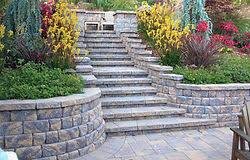
Qualified Mulch Installation Services in Cumming, GA can help homeowners maintain cleaner landscape beds while creating a more organized and attractive outdoor environment. Mulch is commonly used around trees, shrubs, flowers, and garden beds, but its purpose goes beyond improving curb appeal. When selected and installed correctly, mulch can help conserve soil moisture, reduce exposed soil, limit some weed growth, and provide a protective layer over the ground.
A successful mulch project requires more than spreading material around a yard. The existing landscape needs to be evaluated, weeds and debris may need to be removed, bed edges may need attention, and the appropriate mulch material should be selected according to the property's needs. Installation depth and placement around plants also matter.
Understanding how professional mulch installation works can help Cumming homeowners make informed decisions about landscape maintenance and avoid common problems associated with improper mulch application.
Why Is Mulch Important for Residential Landscapes?
Bare soil can be exposed to rainfall, wind, temperature changes, and moisture loss. Mulch provides a layer between the soil and the surrounding environment.
One of its practical benefits is moisture conservation. By covering exposed soil, mulch can slow evaporation and help the ground remain moist for longer periods between watering. This does not replace irrigation, but it can support a more consistent soil environment.
Mulch can also reduce the amount of exposed soil where weeds can emerge. It is not a permanent weed-control solution, but an appropriate layer can make landscape beds easier to manage.
Another benefit is visual organization. Fresh mulch creates a defined surface around shrubs, trees, and flower beds, helping separate planting areas from lawns and walkways.
What Should Happen Before Mulch Installation?
Proper preparation is an important part of any mulch project.
Existing beds should be inspected before new material is installed. Leaves, branches, trash, excessive debris, and unwanted vegetation should be removed where necessary.
Weeds should also be addressed before the new mulch is spread. Covering established weeds without dealing with them can allow them to continue growing through the new material.
The condition of the soil should be considered as well. Compacted areas, exposed roots, erosion, and drainage problems may require attention before mulch is added.
Bed edges can also be cleaned or reshaped. Defined edges help keep mulch within the intended area and create a more finished appearance.
This preparation stage is one reason professional installation can differ from simply purchasing mulch and distributing it across the property.
How Do Qualified Mulch Installation Services in Cumming, GA Approach the Job?
Qualified Mulch Installation Services in Cumming, GA generally begin by evaluating the landscape rather than immediately spreading material. This allows the installer to understand the condition of the planting beds and determine what preparation may be needed.
The installer may consider the size and condition of each planting bed, existing plants, access to the property, drainage, and the homeowner's desired appearance.
The appropriate mulch type is then selected. Options can include hardwood-based mulch, colored mulch, pine bark, cypress mulch, and other landscape materials. Local suppliers in the Cumming area offer several types of mulch for residential and commercial applications.
After the material is delivered, it should be distributed evenly throughout prepared beds. The installer needs to work around trees, shrubs, flowers, irrigation components, edging, and other landscape features.
The finished beds should have a consistent appearance without large piles, exposed patches, or mulch pushed tightly against plant stems.
Which Mulch Type Should Homeowners Choose?
Mulch selection should be based on both function and appearance.
Wood-based mulch is commonly used for landscape beds because it provides a natural appearance and can gradually decompose. Colored mulch can create stronger contrast with green plants and surrounding hardscape.
Pine bark provides another option for homeowners who prefer its texture and appearance. Other organic materials may be suitable depending on the type of planting bed and maintenance goals.
Homeowners should also consider how quickly the material breaks down, how often they expect to refresh it, and whether the color complements the home and landscape.
The cheapest material is not necessarily the most appropriate choice. Similarly, a visually attractive mulch may not be ideal for every landscape application.
A qualified installer can explain the differences between available options and help homeowners select a material based on the actual property.
Why Does Mulch Depth Matter?
The amount of mulch applied is important because both insufficient and excessive mulch can create problems.
A thin layer may leave large areas of soil exposed and provide limited coverage. Excessive material can create unnecessary buildup around plants and may interfere with normal landscape maintenance.
Mulch should generally be spread consistently across the prepared bed while keeping it away from direct contact with tree trunks and plant stems.
Trees and shrubs should not have large piles of mulch placed around their bases. Maintaining appropriate space around plant stems helps avoid creating persistently damp conditions at the plant's base.
The installer should focus on even coverage rather than simply using as much material as possible.
Can Mulch Help With Weed Management?
Mulch can make weed management easier, but it should not be considered a complete weed-control solution.
A properly applied layer can block some sunlight from reaching weed seeds near the soil surface, reducing opportunities for certain weeds to establish.
However, weeds can still appear due to wind-blown seeds, existing roots, or gaps that develop as mulch settles and decomposes.
Regular inspection remains important. Removing small weeds early is generally easier than allowing them to become established throughout a landscape bed.
Homeowners should also avoid assuming that adding more and more mulch will solve recurring weed problems. Persistent weeds may indicate that the bed needs more comprehensive maintenance.
How Can Mulch Help With Soil Moisture?
Moisture management is one of the practical reasons homeowners use mulch.
Bare soil can lose moisture more quickly because it is directly exposed to sunlight and air movement. A layer of mulch can reduce direct exposure and slow evaporation.
This can be particularly useful around ornamental plants and shrubs that benefit from more consistent soil moisture.
However, mulch should not be used to compensate for poor drainage. If water already collects in a planting bed, adding more mulch will not necessarily solve the underlying problem.
Landscape beds should be evaluated for both moisture retention and water movement. Where drainage issues exist, they should be addressed separately.
How Does Mulch Protect Landscape Plants?
Mulch can provide a layer of insulation between the soil surface and changing outdoor temperatures. It can also reduce the direct impact of rainfall on exposed soil and help limit soil displacement.
Organic mulch gradually breaks down and contributes organic material to the soil over time.
However, mulch should always be placed carefully around plants. Covering plant crowns or piling material directly against tree trunks can create unnecessary moisture and maintenance concerns.
Professional installation should take existing vegetation into account instead of treating the entire landscape bed as a flat surface.
Can Mulch Reduce Soil Erosion?
Mulch can help protect exposed soil from the direct impact of rainfall. In areas where water hits bare soil repeatedly, soil particles can become displaced.
A properly maintained mulch layer can act as a protective surface and reduce the exposure of soil to direct rainfall.
However, mulch alone may not be sufficient for serious erosion problems. Sloped properties or areas with concentrated runoff may require grading, drainage improvements, retaining structures, or other landscape solutions.
If mulch repeatedly washes away from the same section of a yard, homeowners should investigate why the material is moving rather than simply replacing it.
When Should Homeowners Refresh Their Mulch?
Mulch naturally changes over time. Organic materials can decompose, settle, fade, and become thinner.
A landscape bed may need a refresh when substantial areas of soil become visible, the material becomes uneven, or the overall appearance no longer meets the homeowner's expectations.
The frequency depends on the mulch type, weather exposure, landscape conditions, and maintenance routine.
Some Cumming landscaping providers recommend periodic replenishment as mulch deteriorates or is lost through erosion.
Homeowners should inspect the existing layer before ordering additional material. Adding new mulch on top of excessive existing buildup may create unnecessary depth.
How Can Professional Mulch Installation Save Time?
Mulch installation can be physically demanding, especially on larger properties with multiple landscape beds.
The work may involve calculating the required material, arranging delivery, preparing beds, moving large quantities of mulch, distributing it evenly, and cleaning surrounding surfaces.
Professional installation can simplify this process by combining material delivery with spreading and bed preparation. Cumming-area providers offer mulch delivery and installation for residential and commercial properties.
This can be particularly useful for homeowners who want consistent coverage across several planting areas without handling the physical work themselves.
What Should Homeowners Look for in a Qualified Mulch Installer?
Homeowners should look beyond advertising language when comparing providers.
Ask whether the company provides both delivery and installation, what types of mulch are available, and whether bed preparation is included.
It is also useful to ask how the provider handles existing weeds, edging, trees, shrubs, irrigation components, and cleanup.
The company should be willing to explain the proposed material and how much is needed rather than simply recommending the largest possible quantity.
A clear project scope can help homeowners understand what is included before installation begins.
Local directories and landscaping businesses show that Cumming has multiple providers offering mulch-related services, so homeowners can compare service details before making a decision.
What Are Common Mulch Installation Mistakes?
One common mistake is installing mulch over an unprepared bed. Existing weeds, debris, and uneven areas can remain hidden beneath the new material.
Another mistake is creating large piles around trees or shrubs. Mulch should be distributed across the bed instead of being concentrated directly around plant bases.
Using too much material can also create unnecessary buildup.
Poor drainage is another concern. Mulch should not be viewed as a substitute for solving standing-water or erosion problems.
Finally, choosing mulch entirely based on color can overlook important considerations such as decomposition, maintenance, plant compatibility, and long-term appearance.
How Should Mulched Beds Be Maintained?
Maintenance is relatively straightforward but should be performed consistently.
Homeowners can remove weeds when they first appear, rake displaced material back into thin areas, remove leaves and debris, and inspect the beds after heavy rainfall.
Mulch should be kept away from direct contact with tree trunks and plant stems.
If the material has become thin, a selective refresh may be more appropriate than completely rebuilding the bed.
Regular maintenance also provides an opportunity to identify other landscape problems, including drainage issues, soil erosion, damaged edging, or unhealthy plants.
Frequently Asked Questions
Is mulch useful for Cumming residential landscapes?
Yes. Mulch can help cover exposed soil, conserve moisture, reduce some weed growth, and improve the appearance of planting beds.
How often should mulch be refreshed?
There is no single schedule for every property. The timing depends on mulch type, decomposition, weather, erosion, and the desired appearance of the landscape.
Should mulch touch tree trunks?
No. Mulch should not be piled directly against tree trunks or shrub stems. Appropriate spacing helps reduce unnecessary moisture around plant bases.
Can mulch eliminate weeds?
No. Mulch can help suppress some weed growth, but weeds can still emerge. Regular landscape maintenance remains necessary.
Can new mulch be placed over old mulch?
Sometimes, if the existing layer is sufficiently thin and in good condition. Homeowners should avoid creating excessive buildup.
Does mulch solve drainage problems?
No. Mulch can help protect soil but is not a substitute for proper drainage. Persistent standing water should be evaluated separately.
Conclusion
Qualified Mulch Installation Services in Cumming, GA can help homeowners maintain landscape beds that are more organized, attractive, and easier to care for. The benefits of mulch depend heavily on proper preparation, suitable material selection, appropriate application, and ongoing maintenance.
A successful project should consider existing plants, soil conditions, drainage, bed edges, mulch depth, and long-term landscape care rather than focusing only on the appearance of fresh material.
Article Written By: Rank Business Listings

 English
 Arabic
 French
 Spanish
 Portuguese
 Deutsch
 Turkish
 Italiano
 Russian
 Romaian
 Portuguese (Brazil)
 Greek
Greek