
Teeth Filling for Restoring Your Tooth’s Appearance
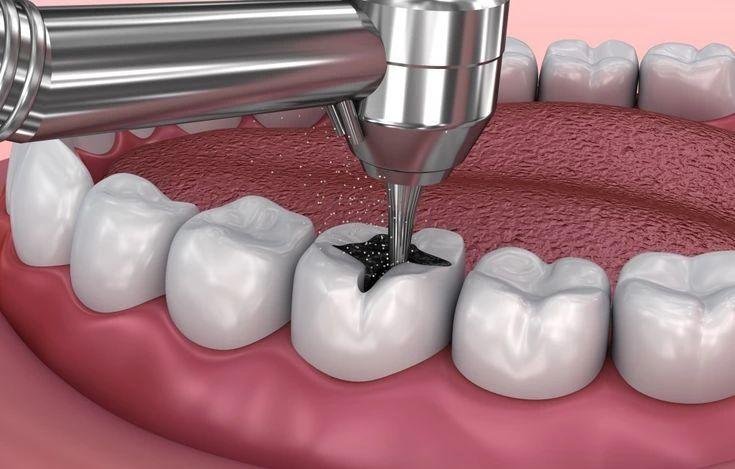
A healthy-looking smile can contribute to confidence and comfort in everyday life. When a tooth develops decay, a small chip, or another type of minor structural damage, its appearance may change along with its function. Dental fillings offer a practical restorative option for suitable cases, helping replace damaged tooth structure and create a smoother, more natural-looking surface.
For people considering Teeth filling in Islamabad, understanding how fillings can improve both the appearance and function of affected teeth can help them make informed decisions about dental care. A professional examination is important because the appropriate restoration depends on the condition, location, and extent of the tooth damage.
What Is a Dental Filling?
A dental filling is a restorative treatment used to repair a tooth after decay or certain forms of damage have removed part of its structure. The dentist first removes the affected tissue and prepares the area before placing a suitable filling material.
The restoration fills the prepared space and helps recreate the tooth's shape. Modern materials can also be selected with appearance in mind, particularly when the affected tooth is visible when a person smiles or speaks.
The goal is to restore a tooth while preserving as much healthy natural structure as possible.
How Cavities Can Affect Tooth Appearance
Cavities can change the appearance of a tooth in several ways. Early decay may appear as a white, brown, or darkened spot, while more advanced decay can create a visible hole or irregular surface.
Even a relatively small cavity may become noticeable when it affects a front or otherwise visible tooth. In addition to aesthetic concerns, decay can compromise the tooth's structure and make its surface less even.
Treating the cavity can help restore a more complete tooth shape.
How Tooth-Colored Fillings Support a Natural Appearance
Tooth-colored composite fillings are commonly used when maintaining a natural appearance is a priority. The material can be selected and shaped to blend with the surrounding tooth structure.
The dentist carefully prepares the tooth and places the composite material in the affected area. It is then shaped and hardened before being polished.
While a filling may improve the appearance of a damaged area, the final result depends on factors such as the size and location of the restoration, the original tooth shade, and the condition of the surrounding tooth.
Restoring the Shape of a Damaged Tooth
A cavity can leave a tooth with an uneven or weakened surface. A filling helps replace the missing portion and can restore a more natural contour.
This restoration is not only about appearance. Tooth shape plays an important role in how the teeth meet during biting and chewing. An appropriately shaped filling can therefore support both aesthetics and normal function.
The dentist checks the restoration after placement to ensure that the bite feels comfortable.
Teeth Filling in Islamabad: Understanding Your Treatment Options
Patients considering Teeth filling in Islamabad should begin with an examination by a qualified dental professional. The dentist can evaluate the affected tooth and determine whether a filling is appropriate.
During the consultation, patients can discuss the appearance of the tooth, available filling materials, expected results, and any concerns about sensitivity or treatment.
The most suitable option varies from person to person. A restoration that works well for one tooth may not be appropriate for another, particularly when the damage is extensive.
What Happens During a Teeth Filling Procedure?
The procedure typically starts with an examination and, when needed, dental imaging. Local anesthesia may be used to keep the treatment area comfortable.
The dentist removes the decayed or damaged portion of the tooth and cleans the area. The selected filling material is then placed into the prepared space.
For composite fillings, the material may be applied in layers and hardened using a curing light. The dentist shapes the restoration to match the natural contours of the tooth before polishing it.
The bite is checked at the end of the procedure, and minor adjustments may be made to improve comfort.
Benefits Beyond Appearance
Although fillings can improve the visible appearance of a damaged tooth, their purpose extends beyond cosmetic improvement. A filling can restore the tooth's structure and help it perform normal functions such as biting and chewing.
Treating decay may also help prevent the damaged area from progressing deeper into the tooth. Addressing a cavity early can sometimes allow more natural tooth structure to be preserved.
Therefore, the aesthetic benefit is only one part of the overall value of appropriate restorative treatment.
Caring for Your Filled Tooth
Proper aftercare is important for maintaining both the appearance and function of a filling. Patients should brush twice daily with fluoride toothpaste and clean between their teeth regularly.
Limiting frequent sugary foods and drinks can help reduce the risk of new cavities. It is also important to attend regular dental checkups so the dentist can monitor the filling and surrounding teeth.
A filled tooth can still develop new decay, so good oral hygiene remains essential.
How Long Can a Filling Maintain Its Appearance?
The appearance and condition of a filling can change over time. Factors such as eating habits, oral hygiene, staining foods and drinks, chewing pressure, and the type of material used can influence how a restoration looks and performs.
Regular dental visits allow the dentist to assess the restoration and identify signs of wear or damage. If a filling becomes chipped, worn, or otherwise compromised, the dentist can determine whether it requires repair or replacement.
When a Filling May Not Be Suitable
Not every damaged or discolored tooth can be restored with a simple filling. If decay has reached a deeper part of the tooth or a significant amount of structure has been lost, another restorative procedure may be necessary.
A dental examination is therefore essential before choosing treatment. Your dentist can explain whether a filling is appropriate or whether another option would better address the tooth's condition.
Conclusion
Teeth fillings can play an important role in restoring the appearance and function of teeth affected by cavities or minor structural damage. Tooth-colored materials can provide a natural-looking option for suitable cases while helping restore the tooth's shape.
For individuals considering Teeth filling in Islamabad, professional consultation can help identify the most appropriate treatment based on the tooth's condition and aesthetic needs. Combined with consistent oral hygiene and regular dental checkups, appropriate restorative care can support a healthier and more confident smile.
Frequently Asked Questions
1. Can a teeth filling improve the appearance of a cavity?
Yes. A filling can replace the damaged portion of a tooth and restore its shape. Tooth-colored materials may provide a natural-looking result for suitable cases.
2. Are tooth-colored fillings suitable for visible teeth?
Tooth-colored composite fillings are often considered for visible teeth because they can be matched relatively closely to the surrounding tooth shade. Your dentist can determine whether they are appropriate.
3. Can a filling restore a chipped tooth?
A filling may be suitable for repairing certain small chips or areas of minor structural damage. Larger or more complex damage may require another type of restoration.
4. How can I maintain the appearance of my filling?
Maintain good brushing and flossing habits, limit frequent staining or sugary foods and drinks, and attend regular dental checkups so the restoration can be monitored.
For more information visit Enfield royal clinic in islamabad

 Arabic
 French
 Spanish
 Portuguese
 Deutsch
 Turkish
 Dutch
Dutch
 Italiano
 Russian
 Romaian
 Portuguese (Brazil)
 Greek
Greek