
How Cash Buyers Purchase Inherited Houses in Virginia
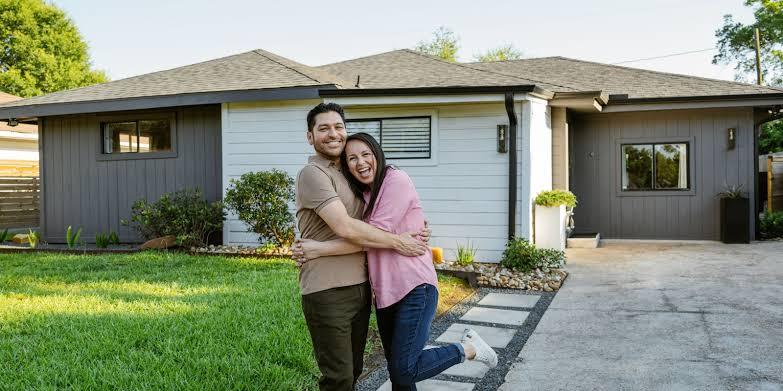
Inheriting a house can bring financial opportunity, but it can also create practical and legal responsibilities. Family members may need to determine who has authority to sell, deal with probate, resolve property debts, and decide whether repairs are worth the expense. For homeowners searching for cash buyers for inherited houses Virginia, understanding how the process works can make the decision easier.
A cash sale can provide an alternative to preparing an inherited property for a traditional listing. Instead of spending months making repairs, cleaning the property, finding a buyer, and waiting for financing approval, an owner may explore a direct sale based on the property's current condition. However, an inherited property still needs proper documentation and a clear understanding of ownership before a transaction can move forward.
What Happens Before a Cash Buyer Makes an Offer?
The first stage is establishing who has the legal authority to sell the property. This is particularly important when the home is still connected to an estate.
Virginia courts explain that probate is the legal process used to transfer property owned by someone who has died to the appropriate beneficiaries or creditors. Depending on how the property was owned and the circumstances of the estate, formal administration may or may not be required.
If an executor or administrator is involved, that person's authority to sell must be established. Virginia law specifically provides circumstances in which a personal representative can sell real estate under the terms of a will.
This means a cash buyer generally cannot simply purchase an inherited house because a family member wants to sell it. The ownership and authority behind the transaction need to be properly established.
Reviewing the Property and Its Condition
Once the seller's authority is clear, the buyer can evaluate the property. A cash buyer may consider the home's location, size, condition, comparable properties, estimated repair costs, and potential market value.
Inherited houses can vary considerably. One property may be recently renovated, while another may have been occupied by an older family member for decades and require substantial updates.
For example, imagine someone inherits a three bedroom home in Richmond that has an outdated kitchen, an aging roof, and years of stored belongings. A traditional listing could require cleaning, repairs, photography, showings, and negotiations. A direct cash buyer may instead evaluate the property in its existing condition and determine an offer based on the work required.
How Cash Buyers for Inherited Houses Virginia Determine an Offer
After evaluating the property, the buyer calculates what the home may be worth and considers the expenses involved in purchasing and improving it.
The offer may reflect the property's current condition rather than its potential value after extensive renovations. This is one reason inherited properties that need significant work can attract sellers interested in a direct cash transaction.
Homeowners considering how to sell inherited house for cash Virginia should look beyond the headline offer amount. It is useful to understand what costs are included, whether there are contingencies, how quickly the buyer expects to close, and which closing expenses each party will handle.
Comparing the complete terms can provide a clearer picture than focusing only on the proposed purchase price.
What Happens After You Accept the Offer?
Accepting an offer does not necessarily mean the transaction closes immediately. The next steps typically involve title review, documentation, and preparation for closing.
Title and Estate Documentation
The title company or other closing professionals may review ownership records, liens, mortgages, estate documents, and other matters affecting the property's transfer.
This step can become especially important when several heirs are involved. Everyone with an ownership interest may need to participate or provide appropriate documentation before the property can be transferred.
Virginia law also addresses situations involving real estate belonging to an intestate estate, including documentation identifying heirs.
If there are unresolved probate issues, creditors, conflicting claims, or questions about authority to sell, the closing process may require additional legal attention.
Preparing for the Closing
Once the title and required documents are in order, the parties can move toward closing. The seller signs the necessary documents transferring the property, while the buyer provides the agreed purchase funds.
The exact timeline depends on the property's circumstances. A straightforward transaction with clear ownership may be relatively simple, while an inherited property with multiple heirs or unresolved estate matters can take longer.
Because estate situations can vary, sellers should consult a qualified Virginia attorney or probate professional when they are uncertain about their legal authority or obligations.
Why Some Heirs Consider a Cash Sale
Inherited property is not always a home the beneficiary wants to keep. The heirs may live in another state, have their own homes, or simply have no interest in becoming landlords.
An inherited property can also create ongoing expenses. Insurance, property taxes, utilities, maintenance, lawn care, and repairs may continue while the family decides what to do.
This is where cash home buyers Virginia can become one option worth researching. A direct sale may allow an owner to avoid preparing the property for the traditional market and potentially reduce the amount of time spent managing it.
For instance, an heir living in North Carolina might inherit a vacant Virginia property that needs considerable cleaning and maintenance. Rather than coordinating contractors from another state, the owner could compare a direct cash offer with the expected proceeds and timeline from a traditional sale.
What Should You Check Before Choosing a Cash Buyer?
Not every cash offer should automatically be accepted. Sellers should verify who is making the offer, understand the purchase agreement, and review the closing terms carefully.
Ask whether the buyer is purchasing directly or assigning the contract to another party. Confirm whether the offer can change after inspection or title review. It is also important to understand any fees, contingencies, closing costs, and expected closing date.
If multiple heirs are involved, communication is equally important. Everyone should understand the proposed transaction and how the proceeds will be handled.
The goal is not simply to find a fast transaction. The goal is to understand the entire agreement before signing.
Conclusion
Selling an inherited property involves more than finding someone willing to pay cash. Sellers first need to understand ownership, estate authority, title requirements, potential debts, property condition, and the terms of the proposed transaction. Virginia law provides specific rules concerning the authority of personal representatives and the transfer of inherited real estate, so complicated estates may require professional legal guidance.
For homeowners considering cash buyers for inherited houses Virginia, a direct sale may provide an alternative to repairs, staging, repeated showings, and a longer traditional selling process. Before moving forward, compare the complete terms of the offer and make sure the estate documentation is properly handled. If you are researching an inherited house cash offer Virginia, understanding the process can help you make a more informed decision about what to do with the property.
FAQs
Can I sell an inherited house for cash in Virginia?
Yes, an inherited house may be sold for cash when the person or people selling it have the legal authority to transfer the property. Estate and title requirements should be confirmed before closing.
Do I have to repair an inherited house before selling it for cash?
Not necessarily. Some cash buyers evaluate properties in their current condition, including homes that need cleaning, repairs, or renovations. The specific terms depend on the buyer and property.
How do cash buyers value inherited houses in Virginia?
Buyers may consider location, comparable properties, property condition, estimated repair costs, market conditions, and potential resale value when determining an offer.
Can I sell an inherited house while probate is still involved?
The answer depends on the circumstances of the estate and the authority of the personal representative or heirs. Virginia law contains specific provisions governing sales of estate real property, so complicated cases may require legal advice.
What if multiple heirs own an inherited house?
Multiple heirs can make the transaction more complicated because the appropriate parties may need to approve and participate in the sale. Ownership records and estate documents should be reviewed before accepting an offer.
Are cash offers for inherited houses always better than traditional offers?
The two options have different advantages and considerations. A cash sale may provide convenience and a potentially simpler process, while a traditional listing may provide access to a broader pool of buyers. Sellers should compare the full financial and practical terms.
What documents may be needed to sell an inherited property?
Documents can vary depending on the estate. They may include the death certificate, will, probate records, proof of authority, ownership records, and other documents required by the closing professional.
How long does it take to sell an inherited house for cash?
There is no single timeline. A property with clear title and straightforward ownership may move through the process more quickly than one involving probate, multiple heirs, liens, or unresolved estate issues.

 English
 Arabic
 French
 Portuguese
 Deutsch
 Turkish
 Dutch
Dutch
 Italiano
 Russian
 Romaian
 Portuguese (Brazil)
 Greek
Greek