
Verificador de Plagio Online: A Practical Guide to Checking Originality Before You Hit Publish
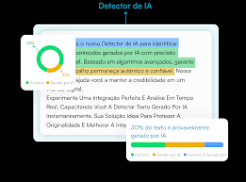
Somewhere between finishing a draft and publishing it, there's a moment of doubt every writer knows: did a phrase, a structure, or an idea creep in from somewhere else without you noticing? That's the exact gap a verificador de plagio online (online plagiarism checker) is built to close — a tool that scans your text against existing content on the web and flags anything that looks too close for comfort.
This guide breaks down how these tools actually work, what separates a trustworthy one from a shallow scan, and how to build originality checks into your writing process without it feeling like a chore.
What an Online Plagiarism Checker Actually Does
At a basic level, these tools take your text, break it into smaller segments — often sentences or short phrase clusters — and compare each one against a massive index of published web pages, academic papers, and sometimes previously submitted documents. When a segment matches existing content closely enough, the tool flags it and usually links back to the original source.
The technical process generally involves:
-
Parsing your document into comparable text chunks
-
Cross-referencing those chunks against indexed databases
-
Scoring the overall similarity percentage
-
Highlighting the specific passages that triggered a match
The quality of that database, more than almost anything else, determines how useful the results actually are.
Who Actually Needs This Kind of Tool
Plagiarism checking isn't just for students worried about academic integrity, though that's the most obvious case. A wide range of people rely on it regularly:
-
Students and researchers submitting essays, theses, or papers that need to meet originality standards
-
Content writers and marketers verifying that AI-assisted or outsourced drafts weren't lifted from existing sources
-
Bloggers and journalists double-checking that quotes and references are properly attributed
-
Teachers and editors reviewing submissions before approving or grading them
-
Business teams protecting original reports, proposals, or product copy from unintentional overlap
The common thread across all of these is trust — trust that what's being published is genuinely original, or that any borrowed material is properly credited.
What Makes One Checker Better Than Another
Plenty of tools claim to detect plagiarism, but the results vary wildly. Here's what actually separates a useful checker from one that gives a false sense of security.
Database Depth
A checker is only as good as what it searches against. Tools limited to a small web index will miss matches that a broader, continuously updated database would catch — including academic repositories, which matter a lot for research papers.
Accuracy of Highlighting
The best tools don't just spit out a percentage; they show exactly which sentences matched, where the source came from, and how close the wording is. A vague "22% similarity" score without context is far less useful than a color-coded breakdown you can actually act on.
Handling of Paraphrased Content
Basic tools only catch exact or near-exact text matches. More advanced ones can detect paraphrased plagiarism too, where the wording has changed but the structure and ideas haven't — a much harder problem to solve, and a meaningful differentiator between checkers.
Privacy and Document Handling
Since you're uploading potentially unpublished or sensitive work, it's worth confirming whether the tool stores your document, adds it to its own comparison database, or deletes it after the scan. This matters especially for unpublished research or client work under confidentiality terms.
See more: verificador de plagio
A Practical Walkthrough
Regardless of which checker you use, the process usually follows the same basic shape:
Step 1 — Prepare your document. Have your draft ready as plain text or in a common file format like DOCX or PDF.
Step 2 — Upload or paste the content. Most tools support both direct text input and file uploads.
Step 3 — Run the scan. Processing time depends on document length, though most checks complete within a minute or two.
Step 4 — Review the report. Look at flagged passages individually rather than fixating on the overall percentage alone — context matters.
Step 5 — Revise or cite as needed. Rewrite genuinely unintentional overlaps in your own words, and add proper citations for anything intentionally quoted.
Reading the Results the Right Way
A common mistake is treating the similarity score as a pass/fail grade. In reality, some overlap is normal and expected — common phrases, properly cited quotes, and standard terminology in a field will often register as matches without being a problem at all. What actually matters is:
-
Whether flagged text is properly attributed with a citation or quotation marks
-
Whether the overlap is substantial and uncredited, which is the real red flag
-
Whether the structure and argument, not just individual words, have been lifted from another source
A low percentage with one serious uncredited match can be more concerning than a higher percentage made up of properly cited material.
Common Pitfalls to Avoid
A few habits undermine the value of plagiarism checking more than people realize:
-
Relying on a single tool and assuming a clean report means the work is fully original everywhere
-
Ignoring paraphrase-detection limitations in basic, free-tier checkers
-
Ignoring the flagged sources instead of reading them to understand what needs fixing
-
Skipping a final check after edits, since revisions can accidentally reintroduce overlapping phrasing
Final Thoughts
An online plagiarism checker isn't about assuming the worst of your own writing — it's a safeguard that catches the accidental overlaps everyone is bound to have sooner or later. Used well, with attention to the actual flagged passages rather than just the headline score, it builds real confidence that what you're publishing, submitting, or sending to a client is genuinely yours.
See more blogs: Visit Here

 English
 Arabic
 French
 Spanish
 Portuguese
 Deutsch
 Turkish
 Dutch
Dutch
 Italiano
 Russian
 Romaian
 Portuguese (Brazil)