
Water Damage Services: A Complete Guide to Restoring Your Home After Water Damage
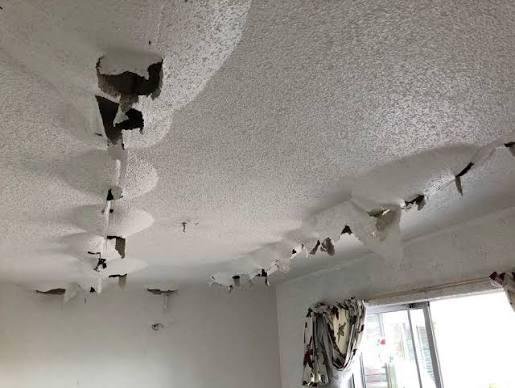
You're asleep, or you're at work, or you just weren't looking — and somewhere in the house, a pipe gives out. That's basically how it always starts. Everything's fine, then suddenly there's water spreading across the floor and nobody saw it coming. Burst pipe, busted water heater, a toilet that overflowed for no reason, a roof that finally gave up during a storm — doesn't really matter which one. What looks small right now can turn into a much bigger problem fast, soaking into floors, walls, ceilings, cabinets, stuff you won't even notice until it's already a mess. So professional water damage services actually matter, more than people realize until they need them.
A decent restoration team does a few things well. They find where the water's actually coming from. Pull the standing water out. Dry things the right way. Track down moisture hiding where you can't see it. Fix what got damaged. Move on all of that quickly, and the whole situation stays a lot more manageable than it would've otherwise.
What Falls Under "Water Damage Services," Exactly?
It's kind of an umbrella term, honestly. Water damage services cover a bunch of different solutions aimed at cleaning up and restoring a property after unwanted water shows up. What you actually need changes depending on where the water came from, how much of it there was, and how long the place sat exposed before anyone noticed.
Typical work includes water extraction, moisture inspection, structural drying, dehumidification, cleaning, sanitization, pulling out damaged materials, and repairs. Plenty of restoration companies throw in emergency response too, so homeowners aren't stuck waiting around when things go really wrong.
This isn't just mopping up what's obvious, though. Technicians have to figure out whether moisture snuck somewhere hidden — because if it did, it'll keep causing problems long after the visible mess is cleaned up.
What Usually Causes This Stuff to Happen?
Water gets into homes through more paths than you'd think. Plumbing issues are probably the biggest one — a broken pipe or a loose connection can leak into walls, ceilings, or floors way before anyone catches it.
A few other common culprits:
- Burst or frozen pipes
- Leaking water heaters
- Washing machine leaks
- Dishwasher and refrigerator leaks
- Overflowing sinks and toilets
- Roof and ceiling leaks
- Heavy rain and storm damage
- Basement flooding
- Sewer backups
- HVAC and air-conditioning leaks
No matter what caused it, one thing holds true across the board — deal with it sooner, and you've got a much better shot at keeping the damage contained.
Why Does Speed Even Matter That Much?
Water just doesn't sit still. It works its way through porous materials and ends up in spots you'd never think to check on your own. Flooring, drywall, insulation, wood, furniture — all of that soaks up moisture pretty fast.
Let it sit too long, and now you're dealing with deterioration, bad smells, and yeah — basically the exact conditions mold loves.
Professional water damage services bring in the equipment and the know-how to handle this quickly. Extraction gear pulls the standing water out, and air movers plus dehumidifiers take care of drying whatever soaked it up.
Act fast, and you usually end up needing way less repair work down the line. That alone makes speed worth it.
So What Does the Actual Restoration Process Look Like?
There's usually a pretty consistent flow to how professionals handle this.
First comes inspection. Figuring out where the water actually came from and how far it traveled. Restoration pros check the obvious damage, sure, but they're also hunting for spots that might be hiding trouble. Moisture detection tools help here — finding damp materials behind walls or under flooring, places you'd never spot with just your eyes.
Next, getting the water out. This part needs to happen fast. Professional extraction equipment handles large volumes way more efficiently than anything sitting in your garage. Get it out quickly, and you stop more moisture from soaking into everything else.
Then comes drying — and this is where a lot of people underestimate the job. Pulling out visible water is only half the work. Materials can stay damp for a long time after things look dry on the surface. Air movers keep air circulating, dehumidifiers pull moisture from the surrounding environment, and together they deal with what's trapped deep inside building materials, not just what's sitting on top.
Cleaning and sanitizing comes next, if needed. Clean supply line water and sewage backup water are two completely different animals. Affected areas often need specialized treatment to actually be safe again — not just dry.
And finally, repairs. Once everything's properly dried and cleaned, that's when the real fixing starts — drywall, flooring, insulation, baseboards, cabinets, whatever took the hit. A solid restoration company will tell you straight up what's salvageable and what genuinely needs replacing.
Does This Always Lead to Mold?
Lingering moisture is honestly one of the bigger worries after any water emergency. Mold shows up when moisture sticks around, especially somewhere warm and poorly ventilated.
That doesn't mean every water-damaged home ends up with mold, though. Removing water fast and drying things thoroughly goes a long way toward keeping those conditions from ever forming.
That's part of why proper drying is such a core piece of water damage services. Teams use moisture meters and similar tools to actually confirm an area's dried out — not just eyeball it and assume.
What Should You Actually Do Right After It Happens?
Safety first. Always. If you can safely shut off the water source, do that. Major plumbing failure? Get a professional involved instead of trying to be a hero.
Stay clear of anywhere water's touched electrical outlets, appliances, or wiring. And if there's sewage or contaminated water anywhere near, don't touch it — call for professional help instead.
Taking photos before cleanup starts is genuinely worth doing too. Your insurance company will probably want that documentation later on.
The biggest thing, though? Get professional help lined up quickly once the damage goes beyond what a mop and some towels can handle.
How Do You Actually Pick the Right Company?
Not every restoration company offers the same level of service — not even close. When you're choosing one, check if they handle emergency response, water extraction, structural drying, moisture detection, cleaning, and restoration, ideally all under one roof.
Communication matters a lot here too. A provider worth trusting explains what caused the damage, what needs to happen, and which areas actually need attention — no vague answers.
Going with a company that covers both the initial cleanup and the restoration afterward usually keeps the whole thing a lot less chaotic for you.
Keeping Future Water Damage From Happening
You can't stop every emergency before it starts, but regular maintenance definitely cuts your odds down. Check plumbing connections now and then. Look for appliance leaks. Stay on top of your roof and gutters. Pay attention if something smells off or a spot stays damp for no obvious reason.
Knowing where your home's main water shutoff valve is located matters more than people think. Cutting the supply fast during an emergency can be the difference between a small fix and a full-blown restoration project.
Final Thoughts
Water damage almost never stays where you can see it — it works into walls, flooring, ceilings, and other materials, which is exactly why proper assessment and drying matter so much. Water damage services give homeowners a real, coordinated way to respond: extraction, drying, cleaning, moisture detection, repairs, all handled together instead of piecemeal. Burst pipe, appliance leak, storm damage, roof leak, plumbing overflow — whatever the source, acting fast is what actually protects your property. When water shows up uninvited, don't just wait around hoping it dries itself out. Prompt professional restoration is what actually gets your home back to clean, dry, and livable.
FAQ
How quickly should I call for water damage services after noticing a problem? As soon as you possibly can. Water spreads fast, and every hour that passes raises the odds of it soaking into materials you'll end up replacing entirely.
Are water damage services covered by homeowner's insurance? Usually, for sudden stuff like burst pipes. Gradual leaks or neglected maintenance often aren't covered the same way, so double-check your specific policy.
Can I handle minor water damage without calling professionals? Maybe, for small surface-level spills. But once water's reached flooring, walls, or came from a contaminated source, professional water damage services are really the safer bet.

 English
 Arabic
 French
 Spanish
 Portuguese
 Deutsch
 Turkish
 Dutch
 Italiano
 Russian
 Romaian
 Portuguese (Brazil)