
7 Questions to Ask a Facial Cosmetic Surgeon Toronto
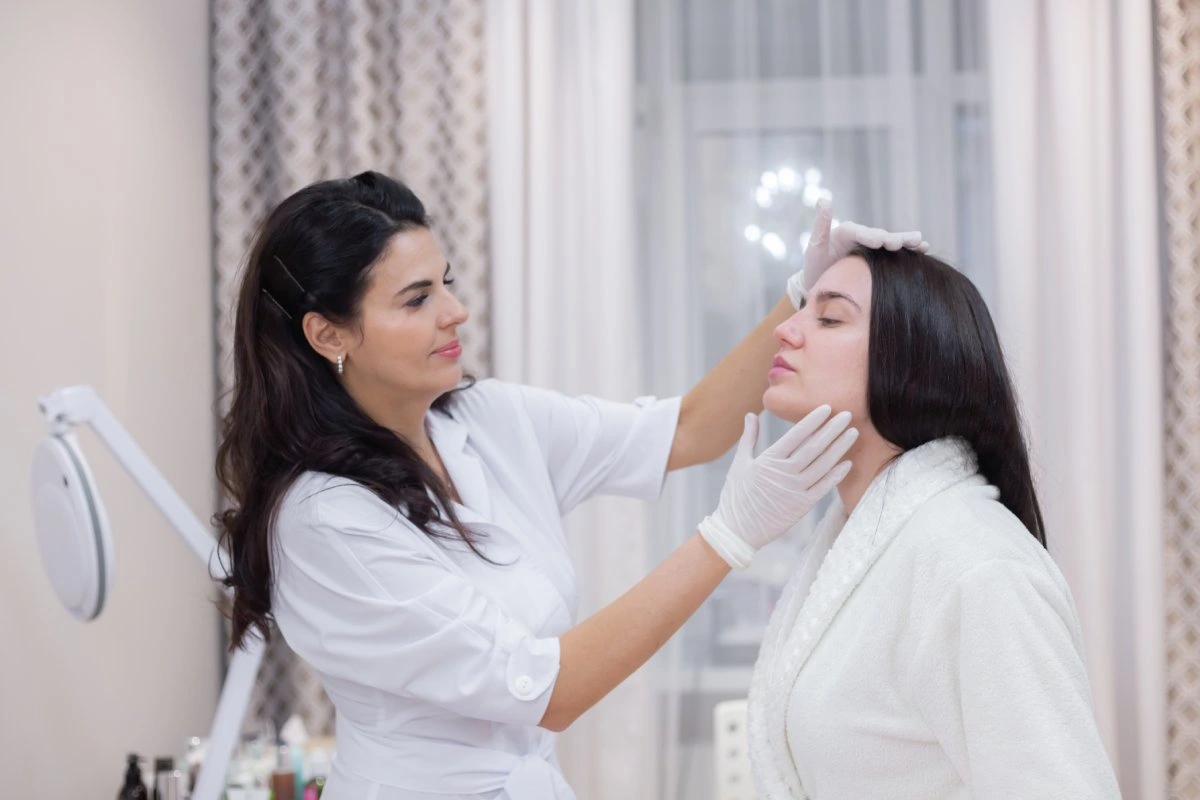
Choosing a facial cosmetic surgeon is an important personal decision. Whether you are considering a change to one facial feature, looking to improve overall facial balance, or addressing changes associated with ageing or an injury, the provider you choose can influence your treatment experience and expectations.
A facial cosmetic surgeon Toronto can assess your facial structure, listen to your concerns, and discuss potential treatment options based on your individual needs. Facial cosmetic procedures do not always aim for dramatic changes. In many cases, the focus is on making carefully planned improvements while maintaining proportions that suit your existing features.
At HealthOne Skin Clinic, consultations are centred around individual facial anatomy, concerns, expectations, and aesthetic goals.
1. What Areas Can a Facial Cosmetic Surgeon Treat?
Facial cosmetic procedures can involve different areas depending on what a patient wants to improve. Treatment may focus on the nose, chin, jawline, cheeks, eyelids, neck, or other aspects of facial contour.
There is no single treatment plan that works for everyone. Facial structure varies considerably between individuals, and factors such as bone structure, skin quality, age, medical history, lifestyle, and personal preferences can influence which options may be appropriate.
A thorough assessment helps determine whether a particular procedure matches the change you want to achieve.
2. Why Do People Consider Facial Cosmetic Procedures?
People choose facial cosmetic procedures for many different reasons. Some may have always felt that a particular feature was out of proportion, while others may notice changes in their appearance as they get older.
An injury can also alter the shape or symmetry of a facial feature. Concerns may involve facial asymmetry, nasal proportions, chin or jawline definition, facial contours, or changes associated with ageing.
Your motivation matters because cosmetic treatment should be based on your own goals rather than pressure from social media, trends, or other people. Understanding what you want to improve can make the consultation more productive and help your provider recommend an appropriate approach.
3. How Important Is Facial Balance?
Facial features do not exist independently. The appearance of one feature can influence how surrounding areas are perceived.
For example, changes to the nose may affect the visual relationship between the nose, chin, lips, and cheeks. This is why looking at the face as a whole can be important when discussing cosmetic treatment.
A detailed facial assessment allows your provider to consider how different features work together. In some situations, a smaller and more carefully planned change may create better overall balance than a dramatic alteration.
The aim should be to develop an outcome that complements your existing appearance rather than making your face look noticeably different.
4. What Should You Discuss During Your Consultation?
A consultation gives you an opportunity to explain your concerns, describe your expectations, and learn more about the available options.
Your provider may review your medical history, current medications, previous cosmetic procedures, lifestyle, and specific aesthetic concerns. Facial proportions and relevant structures can also be assessed as part of the discussion.
You should feel comfortable asking about the procedure, preparation, potential risks, recovery, expected results, and follow-up care. If you have photographs showing a type of result you prefer, these may also help explain your expectations.
However, example photographs should be viewed as references rather than promises because your anatomy and healing process are unique.
5. How Can You Evaluate a Potential Surgeon?
Choosing a provider involves more than comparing treatment prices. Professional qualifications and relevant experience should be important considerations when researching your options.
You can also look at the provider's experience with facial procedures, patient reviews, before-and-after photographs, consultation process, communication style, and approach to follow-up care.
A good provider should explain what a procedure may achieve as well as its limitations. You should also have an opportunity to ask questions without feeling pressured to proceed.
If a provider promises a specific result without considering your individual anatomy, it may be worth taking additional time to research your options.
6. Could Rhinoplasty Address Your Nasal Concerns?
Rhinoplasty is a facial procedure that may be considered when someone wants to change the appearance or function of the nose. Depending on the individual's concerns, treatment may involve nasal size, shape, tip definition, symmetry, certain breathing concerns, or changes caused by an injury.
People researching rhinoplasty often look at rhinoplasty before and after photographs. These examples can help you understand a provider's approach and give you ideas to discuss during a consultation.
However, before-and-after photographs cannot predict your individual result. Differences in facial structure, skin, cartilage, bone, surgical approach, and healing can all affect the final appearance.
7. Is a Nose Job in Toronto Suitable for Your Goals?
A nose job in Toronto may be considered by people who are unhappy with a particular aspect of their nose or have certain functional concerns.
Some common reasons for exploring treatment include a noticeable bump on the bridge, a wider nasal tip, a crooked appearance, concerns about facial proportions, or changes following an injury.
A consultation can help determine whether rhinoplasty is appropriate for your particular concerns. Rather than focusing only on how the nose looks by itself, the assessment can consider its relationship with the rest of your facial features.
Does Every Facial Concern Need Surgery?
Not necessarily. Depending on the concern, some changes may be addressed through non-surgical cosmetic treatments, while others may require a surgical approach.
The appropriate option depends on your anatomy, health, goals, and the type of change you want. A thorough consultation should help you understand the available possibilities rather than assuming surgery is always the answer.
Understanding these alternatives can also help you decide whether your expectations can be achieved through a less invasive approach.
Can Skin Treatments Complement Facial Procedures?
Facial structure is only one part of overall appearance. Skin quality can also influence how the face looks and may become a separate concern for some patients.
People with previous acne may consider acne scar treatment Toronto to address the appearance of scarring and uneven skin texture.
Skin treatments and facial surgery serve different purposes. If you are considering more than one type of treatment, appropriate timing can be important. Your provider can help determine whether multiple procedures are suitable and how they should be scheduled.
How Can You Prepare for Facial Cosmetic Surgery?
Preparation depends on the procedure being considered. Your provider may ask you to complete a medical assessment, review current medications and supplements, discuss lifestyle factors, and follow specific pre-operative instructions.
If smoking is relevant to your situation, your provider may also discuss its impact on the surgical process and recovery. You may need to arrange transportation and prepare a comfortable recovery area at home.
Following the instructions provided by your medical team is important because preparation requirements can vary depending on the procedure.
What Can Recovery Involve?
Recovery differs according to the type of facial procedure performed. Temporary swelling, bruising, tenderness, and discomfort can occur during the early healing period.
Your recovery instructions may include keeping your head elevated, limiting strenuous activities, taking medications as directed, protecting the treated area, and attending follow-up appointments.
It is also important to understand that the initial appearance may not represent the final result. Swelling gradually settles, and tissues can continue healing for an extended period.
What Are Some Common Misconceptions?
One common misconception is that cosmetic surgery must always create an obvious change. In reality, treatment may be planned around subtle improvements and preservation of natural-looking facial characteristics.
Another misconception is that every patient receives the same treatment. Facial procedures should be considered according to individual anatomy and goals.
Recovery is also not identical for everyone. The procedure performed, individual healing response, and other personal factors can influence how quickly results develop.
Finally, facial cosmetic surgery is not limited to one age group. Adults may consider treatment at different stages of life depending on their health, circumstances, and personal goals.
Frequently Asked Questions
How Can You Choose a Facial Cosmetic Surgeon?
Consider professional qualifications, relevant experience, patient reviews, consultation quality, treatment approach, communication, and follow-up care before making your decision.
How Should You Review Before-and-After Photographs?
Look for realistic examples from different angles and consider whether the patients have facial characteristics similar to yours. Remember that your outcome will depend on your own anatomy.
What Can You Expect After Rhinoplasty?
Early recovery may involve swelling and bruising. The nose can continue changing as swelling decreases and healing progresses over the following months.
Can Acne Scar Treatment Be Done Around Facial Surgery?
It may be possible in some circumstances, but timing matters. Your provider should determine when another treatment is appropriate based on your procedure and recovery.
Who May Be Suitable for Facial Cosmetic Surgery?
Suitability depends on your overall health, medical history, facial anatomy, expectations, and the specific procedure being considered.
Final Thoughts
Selecting a facial cosmetic surgeon requires careful consideration. Take time to research providers, understand your treatment options, review realistic results, and discuss your expectations during a detailed consultation.
Facial cosmetic treatment should be approached as an individualized process rather than a standard solution. Your facial proportions, anatomy, health, and personal goals all contribute to determining which approach may be appropriate.
At HealthOne Skin Clinic, treatment recommendations are based on individual facial features and aesthetic goals. A personalized consultation can help you better understand your options, expected recovery, and the potential approach for your concerns.

 English
 Arabic
 French
 Spanish
 Portuguese
 Deutsch
 Turkish
 Dutch
Dutch
 Italiano
 Russian
 Romaian
 Portuguese (Brazil)