
Why Should Buyers Compare jinglitools Drilling Machine Before Making Orders?
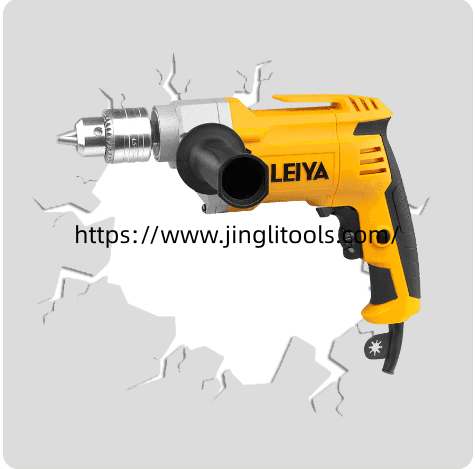
Drilling Machine selection should begin with the actual tasks that technicians perform every day. Industrial workshops may process metal components, wooden parts, plastic materials, equipment housings, or other workpieces, with each application involving different hole dimensions and operating conditions. Buyers should therefore review material compatibility, chuck capacity, rotational speed, torque requirements, working frequency, tool dimensions, electrical specifications, and accessory availability before placing an order. Looking at these factors together can help purchasing teams identify a configuration that fits their existing workflow instead of relying on one specification.
Identify the Materials Used in Your Workshop
Material selection has a direct relationship with the equipment required for hole-making tasks. A workshop handling thin sheet metal may have different requirements from a facility working with thicker components or wooden assemblies.
Buyers should make a list of commonly processed materials and identify the typical hole sizes required for each one. It is also useful to record the types of bits currently used by technicians. This information gives manufacturers a clearer picture of the intended application.
If several materials are processed within the same facility, buyers should ask whether one configuration can reasonably cover those tasks or whether different models would be more practical.
Review Chuck Capacity Carefully
The chuck connects the tool with the selected bit, so its capacity and design deserve close attention. Buyers should check the supported shank diameter, gripping method, accessory compatibility, and replacement arrangements.
A keyless design may make bit changes convenient for operators who frequently switch accessories. A keyed option may suit applications where technicians prefer a specific tightening method. The appropriate choice depends on the working environment and user habits.
Companies should also compare the chuck specification with their existing accessory inventory. Compatibility can reduce the need for additional purchases and make equipment integration easier across different workstations.
Look at Speed Adjustment Options
Different materials and bit diameters may require different rotational speeds. For this reason, buyers should examine available speed settings rather than considering only the maximum rated speed.
Variable speed control can give operators more flexibility when working with different materials. Buyers should ask manufacturers about the practical operating range and how the selected configuration is intended to perform under normal workshop conditions.
For repetitive production work, it can also be useful to consider whether technicians can easily adjust the speed while maintaining a stable working position.
Evaluate Torque for the Intended Tasks
Torque requirements should be connected to the type of work being performed. Buyers should determine the normal load range instead of selecting equipment based only on a maximum figure.
A workshop performing light assembly may require different characteristics from one handling heavier components. When several types of jobs are performed, an adjustable configuration can provide greater flexibility.
Purchasing teams should discuss their typical applications with the manufacturer and provide information about materials, bit sizes, hole dimensions, and workload. This allows the supplier to recommend a configuration based on practical requirements.
Check Electrical Specifications
For corded models, electrical compatibility is an essential purchasing consideration. Buyers should verify rated voltage, frequency, input requirements, plug configuration, cable length, and applicable market standards.
These details are particularly important for international buyers because electrical requirements can vary between markets. Confirming them before production can help prevent compatibility issues after shipment.
Cable design should also be considered according to the workplace. A longer cable may be useful in certain service areas, while a fixed production station may have different requirements.
Consider Operator Comfort
Industrial equipment is often handled repeatedly, making ergonomics worth evaluating before purchase. Buyers should examine weight, balance, handle position, trigger layout, grip shape, and overall dimensions.
For overhead work or narrow spaces, physical size may influence how easily an operator can position the tool. For repetitive assembly, balanced weight distribution can make handling more convenient during routine operations.
Manufacturers can provide dimensional drawings, product photographs, operating videos, or samples to support this evaluation. Getting feedback from actual operators can also reveal practical considerations that may not appear in a specification table.
Ask About Maintenance and Spare Parts
Maintenance planning should be part of the purchasing process. Buyers should ask about commonly replaced components, spare part availability, service procedures, product documentation, and technical assistance.
A clear maintenance arrangement can help companies plan equipment servicing without unnecessary delays. Distributors and importers may also want information about replacement components so they can support their own customers after delivery.
It is worthwhile to confirm whether manuals and technical documents are available in the required format and whether the manufacturer can provide guidance for normal inspection and care.
Review the Manufacturer Before Bulk Purchasing
When purchasing industrial tools, buyers should evaluate the supplier as carefully as the product itself. Production capacity, inspection procedures, customization options, packaging, delivery arrangements, communication, and after-sales support can all affect the purchasing experience.
For distributors, customization may involve packaging, labels, plugs, accessories, or market-specific configurations. These requirements should be confirmed clearly before mass production begins.
jinglitools provides electric tool solutions for workshop, maintenance, assembly, and industrial applications. Buyers can discuss application requirements, product configurations, and sourcing needs with the company before selecting suitable equipment.
The purchasing process should ultimately connect product specifications with actual workplace conditions. Buyers can prepare an application checklist covering materials, hole dimensions, accessory compatibility, electrical requirements, operating frequency, handling preferences, and maintenance plans. This makes supplier discussions more focused and provides a clearer basis for comparing available models. Companies interested in reviewing the available product range can visit the official https://www.jinglitools.com/ for additional product and application information.

 English
 Arabic
 French
 Spanish
 Portuguese
 Turkish
 Dutch
Dutch
 Italiano
 Russian
 Romaian
 Portuguese (Brazil)
 Greek
Greek