
How Advanced Liposuction Techniques Support Body Proportions
Understanding the Role of Liposuction in Modern Body Contouring
Body proportions play an important role in overall physical appearance. The distribution of fat across different areas can influence how the waist, abdomen, thighs, arms, and other body regions look in relation to one another. Even individuals who maintain a balanced lifestyle and regular exercise routine may experience stubborn fat deposits that are difficult to reduce. Modern cosmetic surgery offers different approaches to addressing these concerns, with liposuction being one of the commonly considered body contouring procedures.
Liposuction in Riyadh has become a relevant search topic for individuals interested in understanding surgical fat removal and its potential role in refining body contours. The procedure focuses on removing localized fat deposits to create a more balanced appearance rather than serving as a general weight-loss solution. Understanding how advanced techniques work can help individuals develop realistic expectations and make informed decisions about their aesthetic goals.
How Liposuction Helps Improve Body Proportions
Body proportions are influenced by several factors, including genetics, fat distribution, muscle structure, and skin elasticity. Sometimes, fat accumulates in particular areas, making certain body regions appear less defined. Liposuction is designed to target these localized deposits and reshape selected areas according to an individual's anatomy.
The procedure involves inserting a thin tube called a cannula through small incisions to remove excess fat. The surgeon carefully works within the targeted area to achieve a smoother and more balanced contour. The amount of fat removed and the treatment areas depend on the patient's physical characteristics and desired results.
Rather than focusing exclusively on reducing the size of one body part, modern body contouring emphasizes maintaining harmony between different areas. For example, refining the waistline may influence the appearance of the abdomen and hips, while treating the thighs may help create a more proportionate lower-body silhouette.
Exploring Advanced Liposuction Techniques
Developments in cosmetic surgery have introduced different liposuction techniques designed to support more controlled fat removal. Each method has particular characteristics, and the most appropriate approach depends on the patient's anatomy, treatment goals, and the surgeon's professional assessment.
Traditional Liposuction
Traditional liposuction uses a cannula connected to a suction device to remove unwanted fat deposits. It remains an established surgical approach for treating areas such as the abdomen, thighs, hips, back, and upper arms.
The surgeon carefully moves the cannula through the targeted fat layer to remove selected deposits. The objective is to improve the body's contours while maintaining a natural transition between treated and untreated areas. Appropriate surgical planning is important to avoid unevenness and preserve balanced proportions.
Power-Assisted Liposuction
Power-assisted liposuction uses a specialized cannula that produces controlled mechanical movements. These movements help loosen fat tissue, allowing the surgeon to remove it through suction.
This technique may be considered when treating certain areas that require detailed fat removal. Its suitability depends on the treatment region, tissue characteristics, and individual requirements. The surgeon determines whether this approach offers advantages for the planned procedure.
Ultrasound-Assisted Liposuction
Ultrasound-assisted liposuction uses sound-wave energy to help break down fat cells before their removal. The energy is delivered through a specialized surgical instrument, allowing the surgeon to target selected fat deposits.
This technique may be useful in particular anatomical areas, including regions with more fibrous fat tissue. However, it requires careful handling because ultrasound energy can cause thermal injury if not properly controlled.
Laser-Assisted Liposuction
Laser-assisted liposuction uses laser energy to affect fat cells before they are removed. Depending on the technique, the energy may also produce some degree of tissue heating.
Although it is sometimes discussed in connection with skin tightening, the amount of improvement varies between individuals. Laser-assisted procedures are not suitable for everyone, and patients should understand both their potential benefits and limitations before considering treatment.
Which Body Areas Can Liposuction Address?
Fat distribution differs from one person to another. Some individuals experience persistent deposits around the abdomen, while others notice unwanted fullness around the thighs, hips, arms, or back. Modern liposuction techniques can address several anatomical areas when a person is considered a suitable surgical candidate.
Abdomen and Waist
The abdomen and waist are common treatment areas because localized fat deposits can affect the appearance of the midsection. Liposuction may help refine these regions by removing selected fat deposits and improving the transition between the waist and surrounding areas.
However, it does not correct significant abdominal muscle separation or remove substantial amounts of loose skin. Individuals with these concerns may require a different surgical assessment.
Thighs and Hips
Fat accumulation around the inner and outer thighs can influence lower-body proportions. Carefully planned fat removal may help improve the relationship between the thighs, hips, and waist.
The surgeon considers natural body structure and skin elasticity when determining the treatment approach. Removing excessive fat can create irregular contours, making conservative and balanced surgical planning important.
Arms and Back
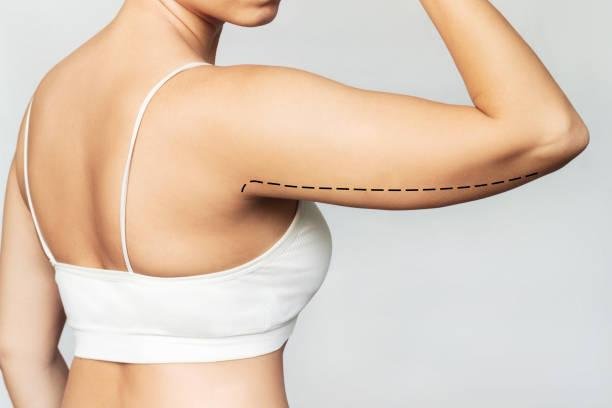
The upper arms and back may also develop localized fat deposits that remain noticeable despite lifestyle changes. Liposuction can be considered for selected patients who want to refine these areas.
Skin quality is particularly important when treating the arms because reduced elasticity may contribute to loose skin after fat removal. A detailed assessment helps determine whether liposuction alone is appropriate.
Why Personalized Surgical Planning Matters
Every individual has a different body structure, meaning that a technique suitable for one patient may not produce the same outcome for another. Personalized surgical planning helps identify the treatment areas, assess tissue characteristics, and establish realistic aesthetic goals.
During consultation, the surgeon evaluates fat distribution, skin elasticity, medical history, general health, and expectations. These factors help determine whether liposuction is appropriate and which technique may be considered.
For people researching liposuction in Riyadh, understanding the importance of individualized treatment is essential. The purpose of a consultation is not simply to identify areas where fat can be removed. It is also to evaluate how changes in one region may influence the appearance of surrounding body areas.
Factors That Influence Liposuction Results
The outcome of liposuction depends on several individual and surgical factors. Understanding these elements can help patients develop realistic expectations about the procedure and recovery.
Skin elasticity is particularly important because the skin needs sufficient flexibility to adapt to changes in underlying fat volume. Younger skin may have greater elasticity in some individuals, although age alone does not determine suitability.
The surgeon's experience, selected technique, treatment area, and amount of fat removed also influence the final appearance. Removing too much fat can result in uneven contours, while insufficient planning may produce less noticeable changes than expected.
Maintaining a stable weight after surgery is another important consideration. Liposuction removes selected fat cells permanently, but remaining fat cells can still enlarge with weight gain. Long-term results are therefore influenced by lifestyle habits and individual factors.
What to Expect During Liposuction Recovery
Recovery following liposuction varies according to the extent of surgery, treatment areas, and technique used. Patients commonly experience temporary swelling, bruising, tenderness, and discomfort during the initial recovery period.
Compression garments may be recommended to support the treated areas and help manage swelling. Following the surgeon's instructions regarding movement, wound care, and physical activity is important for appropriate healing.
Patients should understand that the initial appearance does not represent the final outcome. Swelling gradually decreases, and body contours become more visible as healing progresses. The timeline differs between individuals, and complete recovery may take several weeks or longer.
Regular follow-up appointments allow the surgical team to monitor healing and address any concerns. Patients should promptly report unusual pain, fever, increasing redness, breathing difficulties, or other concerning symptoms.
Understanding Liposuction in Saudi Arabia
Interest in liposuction in Saudi Arabia reflects the growing attention given to modern aesthetic procedures and personalized body contouring. People researching treatment options often want to understand the available techniques, surgical considerations, recovery process, and factors that influence results.
When exploring liposuction, patients should prioritize qualified plastic surgeons, appropriately licensed medical facilities, and clear communication about potential risks. They should also ask about the surgeon's experience with the proposed technique and the expected recovery requirements.
It is important to recognize that liposuction is not a treatment for obesity, a substitute for healthy lifestyle habits, or a guaranteed method of achieving a particular body shape. A suitable candidate generally has localized fat deposits, relatively stable body weight, and realistic expectations about surgical outcomes.
Conclusion
Advanced liposuction techniques have expanded the approaches available for addressing localized fat deposits and refining body proportions. From traditional suction-assisted methods to ultrasound-assisted and laser-assisted approaches, each technique offers different characteristics that may suit particular anatomical needs. However, achieving balanced contours requires more than simply removing fat. Careful evaluation, appropriate technique selection, surgical expertise, and realistic expectations all contribute to the treatment journey.
Individuals exploring liposuction in Riyadh or liposuction in Saudi Arabia should seek professional guidance before deciding on surgery. Understanding personal suitability, potential complications, and recovery requirements helps support informed decisions. Enfield Royal Clinic Saudi is a name individuals may explore when researching aesthetic treatment options and learning more about personalized approaches to body contouring.
Frequently Asked Questions
1. How does liposuction help improve body proportions?
Liposuction removes selected fat deposits from specific body areas, helping refine contours and improve the visual balance between surrounding regions. Results depend on individual anatomy, skin elasticity, and surgical planning.
2. Which liposuction techniques are available in Saudi Arabia?
Common techniques include traditional liposuction, power-assisted liposuction, ultrasound-assisted liposuction, and laser-assisted liposuction. The appropriate method depends on the patient's needs and the surgeon's assessment.
3. Is liposuction in Riyadh suitable for everyone?
No. Suitability depends on general health, body weight stability, localized fat deposits, skin elasticity, medical history, and expectations. A qualified plastic surgeon must assess each individual before recommending surgery.
4. Can liposuction remove fat from multiple body areas?
Yes, selected patients may undergo treatment involving multiple areas, such as the abdomen, waist, thighs, arms, and back. The number of areas treated depends on safety considerations and the overall surgical plan.
5. How long does it take to see liposuction results?
Some changes may become noticeable after the initial swelling decreases. However, the final contours can take several months to develop as the body continues healing. Recovery timelines vary between individuals.
6. Does liposuction provide permanent body contouring results?
The fat cells removed during liposuction do not grow back. However, remaining fat cells can enlarge if a person gains weight. Maintaining a stable weight and following healthy lifestyle habits can help preserve the results.

 Arabic
 French
 Spanish
 Portuguese
 Deutsch
 Turkish
 Dutch
 Italiano
 Russian
 Romaian
 Portuguese (Brazil)
 Greek