
How Can You Manage Hair Issues at Different Levels Through Proper Diet?
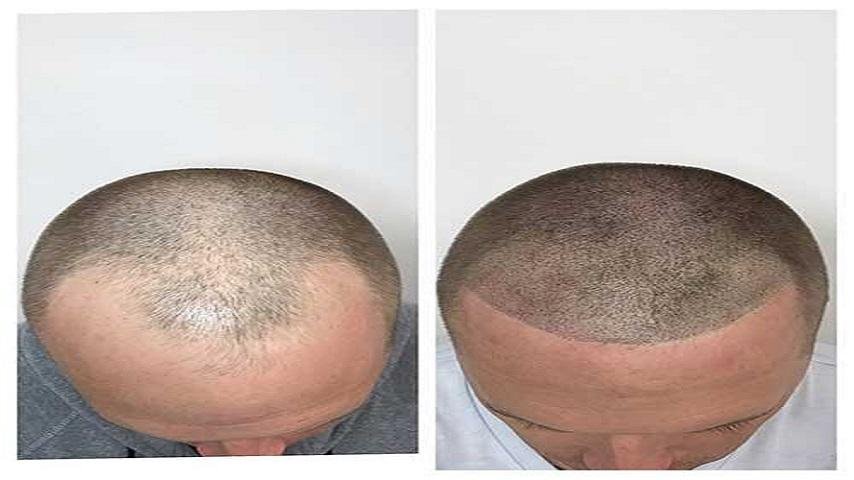
Hair health is influenced by much more than shampoos, oils, and styling products. Nutrition plays an important role because hair follicles require a consistent supply of nutrients to support normal growth and maintenance. From mild dryness and breakage to excessive shedding and thinning, different hair concerns may be influenced by different nutritional factors.
A balanced diet cannot solve every type of hair loss, especially when genetics, hormones, autoimmune conditions, or medical problems are involved. However, maintaining good nutrition can provide essential support for healthy hair and scalp function.
Level 1: Dryness, Dullness, and Brittle Hair
When hair appears dry, rough, or easily breaks, your overall dietary pattern may be worth examining. Adequate protein and healthy fats are important components of a balanced diet.
Include foods such as eggs, yogurt, lentils, beans, nuts, seeds, avocados, and fish according to your dietary preferences. Staying adequately hydrated is also important for overall skin and body health.
However, external factors such as frequent heat styling, chemical treatments, excessive washing, and environmental exposure can also cause dryness and breakage. Diet should therefore be considered alongside proper hair-care habits.
Level 2: Increased Hair Shedding
If you notice more hair than usual on your pillow, comb, or shower drain, nutrition may be one factor to consider. Insufficient calorie intake, restrictive diets, rapid weight loss, or inadequate protein can sometimes contribute to increased shedding.
Iron is another nutrient that deserves attention. Low iron stores can be associated with hair shedding in susceptible individuals. Foods such as leafy greens, legumes, beans, eggs, fortified cereals, and lean meats can contribute to iron intake.
Instead of immediately taking supplements, it is better to identify whether a deficiency actually exists. A healthcare professional can recommend appropriate testing when necessary.
Level 3: Weak or Slow-Growing Hair
Hair follicles depend on nutrients involved in cell growth and normal tissue function. A diet lacking variety may make it more difficult to meet nutritional requirements.
Zinc, vitamin D, B vitamins, iron, and protein are among the nutrients commonly considered when evaluating nutritional factors related to hair health. A varied diet containing vegetables, fruits, whole grains, legumes, dairy or alternatives, nuts, seeds, and suitable protein sources can help provide a broad range of nutrients.
Biotin is frequently promoted as a hair-growth supplement, but supplementation is generally most useful when a deficiency is present. More is not always better, and excessive supplementation can sometimes create unwanted effects.
Level 4: Noticeable Thinning
Visible thinning, a widening part, reduced density, or a receding hairline may indicate that the problem requires more than dietary improvement. Genetic pattern hair loss, hormonal changes, certain medical conditions, and other factors can contribute to progressive thinning.
A nutritious diet can support the body's overall needs, but it should not be viewed as a replacement for professional assessment. Identifying the underlying cause is particularly important when thinning continues over time.
Level 5: Sudden or Significant Hair Loss
Sudden or extensive hair loss deserves professional attention. Nutritional deficiencies can sometimes play a role, but other causes—including illness, severe stress, hormonal changes, medications, and autoimmune conditions—may also be responsible.
Rather than changing your diet based on assumptions, an evaluation can help determine what is actually contributing to the problem. If a nutritional deficiency is confirmed, dietary changes or medically appropriate supplementation can then be considered.
Building a Hair-Friendly Diet
There is no single “hair-loss diet” that works for everyone. The goal is to maintain a balanced eating pattern that provides sufficient calories, protein, vitamins, minerals, and healthy fats.
Try to include a variety of colorful vegetables and fruits, quality protein sources, whole grains, legumes, nuts, seeds, and healthy fat sources. Avoid extreme diets and unnecessary restriction, particularly when trying to lose weight quickly.
Conclusion
Managing hair issues through diet begins with understanding that different levels of hair concerns can have different causes. Good nutrition can support follicle function, hair strength, and overall scalp health, but persistent hair loss should not be treated through diet alone.
If your hair fall is ongoing, sudden, or accompanied by noticeable thinning, professional evaluation can help identify the underlying cause. Combining appropriate treatment with balanced nutrition and healthy hair-care practices can provide a more comprehensive approach to maintaining healthier-looking hair.
Why Should You Choose Non-Surgical Hair Treatment Before Hair Transplant?
Why Is Non-Surgical Hair Treatment the First Choice for Hair Loss?

 English
 Arabic
 Spanish
 Portuguese
 Deutsch
 Turkish
 Dutch
 Italiano
 Russian
 Romaian
 Portuguese (Brazil)
 Greek