
Cable Gland Adaptor WisleyPneumatic Equipment Solutions
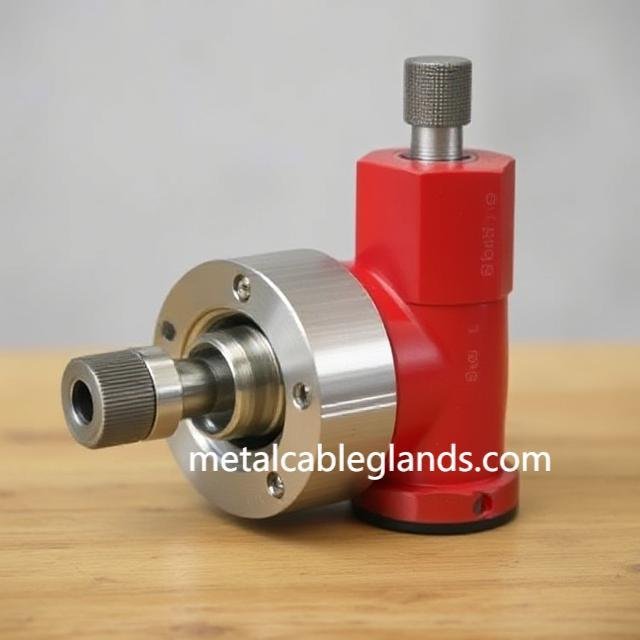
As electrical equipment becomes more compact and application requirements become more varied, flexible connection methods are increasingly important during enclosure design. A properly selected Cable Gland Adaptor can help engineers connect components with different interface requirements while keeping the cable entry arrangement organized. For equipment builders, using a suitable Cable Gland Adaptor can also reduce unnecessary enclosure modifications when a cable gland, conduit connection, or threaded opening does not match the original design. The selection process should consider thread specifications, material, dimensions, mounting space, environmental conditions, sealing requirements, and installation methods. Looking at these factors together can help manufacturers build practical cable entry systems that are easier to assemble, maintain, and adapt.
Adapting Different Connection Requirements
Industrial equipment rarely follows one universal connection configuration. Different machines, control cabinets, electrical boxes, and automation systems may use different thread sizes or interface standards depending on their original design and application.
When two connection components do not match directly, an adaptor can provide a practical transition between them. This allows engineers to work with existing enclosure openings while introducing another cable entry component without changing the complete cabinet structure.
This approach can be particularly useful when equipment is upgraded. A manufacturer may need to replace an older cable gland with a newer model that has different connection dimensions. Instead of redesigning the enclosure, an appropriate adaptor can create a compatible interface.
Adaptors can also be useful during product customization. Equipment manufacturers serving different customers may need to accommodate variations in cable entry arrangements. A suitable connection accessory can provide additional flexibility without requiring a completely different enclosure design.
Before selecting an adaptor, engineers should identify the existing thread, required thread, enclosure wall thickness, available space, and intended cable entry component.
The relationship between these dimensions should be checked carefully. A component that appears compatible by diameter may still be unsuitable if the thread type or installation depth is different.
Clear technical information is therefore an important part of the selection process.
Material Choices for Industrial Use
The operating environment has a direct influence on material selection. Cable connection components may be installed in factories, outdoor equipment, machinery, control cabinets, communication systems, or other areas where moisture, dust, vibration, and temperature changes are present.
Metal construction can be considered when mechanical strength and dimensional stability are important. The specific material should be selected according to the equipment environment and expected service conditions.
Surface treatment may also influence durability. In applications where moisture or corrosive surroundings are expected, buyers should pay attention to corrosion resistance and finishing requirements.
Thread quality is equally important. A properly formed thread helps the adaptor connect smoothly with the matching component and reduces unnecessary difficulty during assembly.
Dimensional consistency matters especially for manufacturers working with repeated production batches. When components maintain consistent specifications, workers can assemble products with fewer adjustments.
The external shape should also match the available installation space. In a compact enclosure, an adaptor that is slightly too long or too wide may interfere with internal wiring or nearby components.
For this reason, product drawings, dimensional specifications, and samples can be useful before bulk purchasing.
WisleyPneumatic Production Details
Cable connection accessories may look relatively simple, but their manufacturing accuracy can have a direct effect on assembly. Small differences in thread dimensions, surface condition, or overall geometry can create problems when several components are connected together.
A controlled production process can begin with checking incoming raw materials against the required specifications.
During machining or forming, key dimensions should be monitored according to approved drawings. Thread profiles, connection surfaces, external dimensions, and overall geometry all require suitable control.
After processing, surface inspection can help identify burrs, scratches, damaged threads, or uneven finishing.
For manufacturers placing repeated orders, maintaining approved product references can be useful. Samples, drawings, inspection records, and agreed specifications can help production teams maintain consistency between different batches.
Packaging also deserves attention because small metal components can become scratched or mixed during handling and transportation.
Separate packaging or clear labeling can help distributors and assembly workers distinguish products by specification.
Consistent manufacturing does not only support product quality. It can also make production planning easier because assembly teams can work with predictable component dimensions.
When a product is used repeatedly across different equipment models, this consistency becomes even more valuable.
Installation and Equipment Upgrades
One practical advantage of an adaptor is the ability to simplify certain equipment upgrades. Industrial systems may remain in operation for many years, while individual electrical components are periodically replaced or updated.
A new component may have a different connection requirement from the original one. If the enclosure itself remains suitable, an adaptor may provide a way to accommodate the updated component without extensive structural modification.
During installation, the existing enclosure opening should first be checked. The thread specifications and mounting dimensions should correspond with the selected adaptor.
The connection surfaces should be clean before assembly. Dust, metal chips, or other debris can interfere with proper engagement.
Installers should use appropriate tools and avoid applying excessive force. Over-tightening may damage threads, while insufficient tightening may result in an unstable connection.
The surrounding cable arrangement should also be considered. The finished connection should leave enough room for cable routing and should not place unnecessary stress on the cable or adjacent components.
For equipment that requires future servicing, installation accessibility is important. Engineers should avoid positioning connection accessories where maintenance personnel cannot reach them easily.
A well-planned installation can make future replacement work more straightforward and reduce unnecessary downtime.
Improving Sourcing and Product Planning
For purchasing departments, flexible connection components can provide another way to manage changing equipment requirements. Instead of keeping entirely different enclosure designs for every connection variation, standardized adaptors may help accommodate several configurations.
This can simplify product planning when equipment is customized for different customers or markets.
Purchasing specifications should include the important technical details, such as thread type, connection dimensions, material, finish, mounting requirements, and applicable accessories.
When requesting samples or quotations, providing accurate drawings or measurements can help reduce communication problems.
Distributors can also classify adaptors according to connection type, dimensions, material, and application. A clear product structure makes it easier for customers to identify the component they need.
For equipment manufacturers, keeping records of previously approved components can save time during future projects. Engineers can refer to established specifications rather than starting the selection process from zero.
This approach can support more organized inventory management as well.
As industrial equipment continues to evolve, connection flexibility remains useful for both new product development and existing equipment upgrades. A carefully selected adaptor can help bridge different interfaces, improve installation options, and reduce unnecessary enclosure modifications.For businesses looking for practical cable connection components and related industrial solutions, https://www.wisleypneumatic.com/ offers further product information and sourcing support.

 English
 Arabic
 French
 Spanish
 Deutsch
 Turkish
 Dutch
Dutch
 Italiano
 Russian
 Romaian
 Portuguese (Brazil)
 Greek
Greek