
How Custom Toy Boxes Turn Packaging Into a Marketing Tool
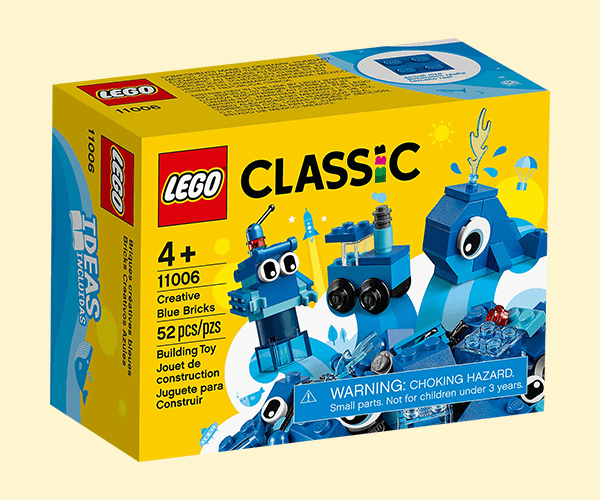
In the competitive toy industry, packaging can be just as important as the product itself. Before children play with a toy or parents make a purchase, the packaging creates the first impression. Bright colors, engaging graphics, recognizable characters, product information, and interactive elements can capture attention and influence buying decisions.
Custom toy boxes allow brands to transform ordinary packaging into a powerful marketing tool. Instead of using generic cartons, toy companies can create packaging that communicates the product's personality, highlights important features, strengthens brand recognition, and creates excitement around the unboxing experience.
For retailers, attractive packaging can improve shelf visibility. For eCommerce brands, branded shipping and product boxes can make deliveries more memorable. For parents, clear packaging information can make it easier to understand the toy's age range, features, contents, and educational or entertainment value.
This guide explains how custom toy boxes turn packaging into a marketing tool, including branding strategies, creative designs, material choices, printing techniques, product visibility, sustainability, and customer experience.
Why Toy Packaging Is a Marketing Opportunity
Toy packaging has several jobs beyond protecting the product.
A well-designed toy box can:
- Capture attention
- Communicate product benefits
- Strengthen brand recognition
- Encourage purchase decisions
- Showcase the toy
- Create excitement
- Improve shelf appeal
- Support eCommerce branding
When packaging works as both protection and promotion, brands can gain more value from every box they produce.
Capture Attention With Creative Designs
Toy boxes compete with many other products for attention, particularly in retail environments.
Creative packaging can use:
- Bright colors
- Playful illustrations
- Character artwork
- Bold typography
- Action-oriented graphics
- Interactive elements
The goal is to create an attractive design without making the package visually confusing.
Build Strong Brand Recognition
Consistent packaging helps customers recognize a toy brand across different products.
Include recognizable elements such as:
- Logo
- Brand colors
- Typography
- Character styles
- Taglines
- Graphic patterns
When these elements appear consistently, customers can identify products more easily both online and in stores.
Showcase the Product
Toy packaging can give customers a better understanding of what's inside.
A custom box with a window can allow customers to see:
- Toy colors
- Product shape
- Accessories
- Product size
- Special features
Product visibility can increase confidence, particularly when appearance is an important part of the purchase decision.
Use Packaging to Explain Product Benefits
Parents and gift buyers often want to understand what makes a toy worthwhile.
Packaging can highlight:
- Recommended age
- Key features
- Number of pieces
- Educational benefits
- Interactive functions
- Included accessories
- Skill development
- Play concepts
Information should remain clear and easy to scan.
Create an Exciting Unboxing Experience
Unboxing can extend the marketing experience beyond the retail shelf.
Brands can add:
- Printed interior artwork
- Personalized messages
- Activity cards
- Collectible elements
- QR codes
- Instructions
- Surprise graphics
A memorable unboxing experience can make the product feel more exciting and encourage customers to share their experience online.
Choose the Right Material
The toy's size, weight, value, and shipping requirements should determine the packaging material.
Paperboard
Paperboard is a popular choice for lightweight toys.
Benefits
- Excellent printability
- Lightweight
- Cost-effective
- Easy customization
Corrugated Cardboard
Corrugated cardboard provides additional protection.
Benefits
- Strong construction
- Impact resistance
- Lightweight
- Recyclable
It works well for larger toys, eCommerce shipping, and products requiring additional protection.
Rigid Board
Rigid boxes provide a premium appearance.
Benefits
- Strong structure
- Premium presentation
- Excellent durability
- Reusable potential
They can work well for collectible toys, premium sets, and limited-edition products.
Use Professional Printing
High-quality printing is essential for toy packaging because visual appeal plays such an important role in purchasing decisions.
Offset Printing
Offset printing is suitable for detailed artwork and larger production runs.
Benefits include:
- Sharp graphics
- Vibrant colors
- Accurate reproduction
- Consistent results
Digital Printing
Digital printing is useful for smaller quantities and special editions.
Benefits include:
- Flexible designs
- Fast production
- High-resolution graphics
- Variable artwork
Flexographic Printing
Flexographic printing can be suitable for larger-volume corrugated packaging.
Benefits include:
- Efficient production
- Consistent printing
- Cost-effective large runs
Add Interactive Packaging Features
Interactive packaging can make toy boxes more engaging.
Examples include:
- Cut-out activities
- Coloring areas
- Collectible cards
- QR codes
- Games
- Character facts
- Downloadable content
Interactive elements can increase the amount of time customers engage with the package.
Use Window Packaging Strategically
Windows can make a toy more visible while keeping it protected.
A window is particularly useful when:
- The toy has attractive colors
- The product's physical appearance matters
- Accessories are included
- Customers benefit from seeing the actual product
For products sensitive to light or requiring specific protection, the window design should be evaluated carefully.
Turn Characters Into Brand Assets
Characters can become powerful visual identifiers for toy brands.
A recognizable character can appear on:
- Toy boxes
- Product labels
- Inserts
- Websites
- Social media
- Promotional materials
Consistent character usage can make a product line easier to recognize.
Design Packaging for Parents and Children
Toy packaging often needs to appeal to two audiences.
For Children
Use:
- Engaging colors
- Characters
- Action graphics
- Playful illustrations
For Parents
Provide:
- Clear product information
- Age recommendations
- Safety information
- Product features
- Material information
- Assembly details where applicable
The design should create excitement while keeping essential information easy to find.
Custom Toy Boxes for eCommerce
Online shoppers cannot physically examine a toy before purchasing it.
Packaging can still strengthen the post-purchase experience through:
- Attractive product presentation
- Secure product protection
- Branded shipping boxes
- Custom inserts
- Thank-you messages
For direct-to-consumer brands, the packaging becomes one of the most important physical touchpoints between the customer and the company.
Use Seasonal Toy Packaging
Seasonal packaging can help brands create urgency and excitement.
Examples include:
- Christmas collections
- Birthday gift packaging
- Halloween editions
- Holiday promotions
- Limited-edition releases
Seasonal designs should still maintain recognizable brand elements.
Sustainable Toy Packaging
Parents increasingly pay attention to packaging waste.
Brands can consider:
- Recyclable paperboard
- Recycled cardboard
- Kraft materials
- Paper-based inserts
- Water-based inks
- Minimal plastic
- Right-sized packaging
Sustainable packaging can support a responsible brand image while reducing unnecessary materials.
Create Collectible Packaging
For collectible toys, the box can become part of the product experience.
Brands can create:
- Numbered editions
- Character artwork
- Limited-edition designs
- Display-friendly boxes
- Reusable packaging
Collectors may keep packaging for storage or display, extending its useful life.
Use Packaging as a Promotional Tool
Custom toy boxes can include marketing elements that encourage future purchases.
For example:
- QR codes
- Product catalogs
- Loyalty offers
- Social media handles
- Related product recommendations
- Website information
A QR code can direct customers to product demonstrations, games, tutorials, or other relevant digital content.
Common Mistakes to Avoid
Avoid these toy packaging mistakes:
- Overcrowded artwork
- Poor-quality printing
- Weak materials
- Difficult-to-read information
- Excessive plastic
- Insufficient product protection
- Inconsistent branding
- Unsupported sustainability claims
Effective toy packaging should balance creativity, safety, protection, and marketing.
Frequently Asked Questions
What are custom toy boxes?
Custom toy boxes are packaging solutions specifically designed for toys and children's products. They can be customized in terms of size, structure, materials, artwork, printing, windows, and inserts.
How do toy boxes work as marketing tools?
They attract attention, communicate product benefits, strengthen brand recognition, showcase the product, and create a memorable customer experience.
Can toy boxes include windows?
Yes. Die-cut windows can allow customers to see the toy or its accessories without opening the package.
Which material is best for toy packaging?
Paperboard works well for lightweight toys, corrugated cardboard provides stronger protection, and rigid board can create premium packaging for collectibles and special editions.
Can toy packaging be environmentally friendly?
Yes. Recyclable paperboard, recycled cardboard, kraft materials, paper-based inserts, water-based inks, and reduced plastic can support more sustainable packaging.
Can custom toy boxes be used for eCommerce?
Yes. Strong materials, protective inserts, secure closures, and appropriate shipping packaging can help protect toys during delivery.
How can toy packaging attract children?
Colors, characters, playful illustrations, action graphics, and interactive features can make packaging more visually engaging.
How can toy packaging appeal to parents?
Clear product information, age guidance, safety information, product features, and organized layouts help parents evaluate the product more easily.
What printing methods are used for toy boxes?
Offset, digital, and flexographic printing are commonly used depending on the material, artwork, and production quantity.
How do I choose a custom toy box manufacturer?
Choose a manufacturer that offers suitable materials, custom dimensions, quality printing, protective structures, child-product packaging experience where applicable, sustainable options, and consistent quality control.
Conclusion
Custom toy boxes can turn packaging from a simple protective container into an effective marketing tool. Through creative graphics, strong branding, product visibility, informative layouts, interactive features, and memorable unboxing experiences, toy companies can create packaging that attracts attention and strengthens customer connections.
The most effective designs appeal to both children and parents. Bright visuals and engaging characters can create excitement, while clear product information and appropriate safety details help parents make confident purchasing decisions.
By combining durable materials, professional printing, functional structures, sustainable options, and strategic branding, businesses can make every toy box contribute to their marketing strategy. A well-designed package can protect the product, attract customers, strengthen brand recognition, encourage future purchases, and create a memorable experience long after the toy has been opened.

 English
 Arabic
 French
 Spanish
 Portuguese
 Deutsch
 Turkish
 Dutch
Dutch
 Italiano
 Romaian
 Portuguese (Brazil)
 Greek
Greek