
Best Cosmetic Packaging Ideas for Skincare and Makeup Products
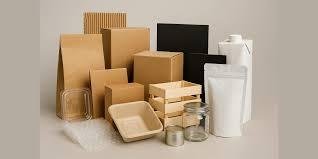
Packaging isn’t just a wrap. It’s the first handshake with your product. For skincare and makeup, the look, feel, and function of a box can make or break a sale. Brands that pair beauty with practicality win loyalty and stand out on crowded shelves. In 2026, style meets substance as consumers seek premium touches that also respect the planet.
Small choices in packaging ripple into brand perception. A well-thought-out design communicates care, clarity, and credibility. It signals that the product inside is worth a closer look and a longer relationship. Let’s explore practical ideas you can adapt to your line, whether you sell high-end serums or everyday makeup.
When you’re ready to branch into new packaging, consider how each decision reflects your values. The right box supports the product, protects it, and tells your story at a glance. Think of packaging as a partner in your sales strategy, not just a container.
Understanding Your Brand and Product Line
Define who you’re talking to. Know their habits, preferences, and price expectations. A teen-focused skincare line may lean into playful colors and easy-to-open packaging, while a luxury serum line might favor clean lines, weighty feel, and tactile finishes.
Skincare versus makeup each ask different packaging choices. SkinCare items often benefit from protective materials and precise dispensing to preserve active ingredients. Makeup packages can showcase color, texture, and portability, with a design that inspires confidence in application.
Balance looks with practicality and sustainability. A box should feel premium without being wasteful. Choose materials and functions that align with your brand values and your customers’ habits. Small blessings like easy openers and clear labels matter more than you think.
Core Packaging Materials and Their Impact
Glass communicates luxury and durability but adds weight and break risk. Pair it with strong closures and protective inserts for premium lines. PET recyclables offer a lighter option with a strong shelf presence. Recycled content in closures and bodies helps close the loop with customers who care about the planet.
Airless and pump-dispense systems protect delicate ingredients from air exposure. They extend shelf life and reduce contamination risk. This matters for serums, oils, and active products where stability counts.
Biodegradable and compostable options are increasingly practical for eco-conscious brands. Look for certified materials and clear usage guidelines. Matching a sustainable story with real performance builds trust with shoppers who read the fine print.
Choose closures, dispensing mechanisms, and tamper-evident features with care. A reliable seal and intuitive operation reduce product waste and returns. Clear tamper seals reassure customers without adding friction at the shelf or in the bathroom cabinet.
Design Essentials That Convert
Color psychology helps guide buyers: softer hues around calm skincare, bolder tones for expressive makeup. Typography should be legible from a distance and up close. For skincare, clean sans serifs often work well; for makeup, a touch of personality in the type can convey vibe without clutter.
Visual hierarchy matters on a crowded shelf. Prioritize product name, key benefit, and brand mark in that order. Large at-a-glance cues win at the store and on social feeds.
Labeling requirements and ingredient transparency are non-negotiable. Clear ingredient lists, allergen notes, and claims that are verifiable build shopper confidence. Use icons or short phrases to communicate use directions quickly.
Full-coverage branding can fit into small spaces with smart layout. Use consistent logos, color schemes, and pattern repeats to reinforce recognition. A well-planned design keeps viewers engaged without overwhelming them.
Sustainability as a Core Feature
Refill programs extend product life and reduce waste. Consider system designs that let customers reuse the primary packaging with refill pouches or drop-in capsules. This approach rewards repeat buyers and lowers environmental impact.
Minimalist packaging reduces waste while maintaining luxury cues. A restrained palette, simple typography, and clean lines can feel premium when done with high-quality materials. Sustainability can be a quiet luxury rather than a loud statement.
Certifications and eco-labels build trust. Look for recognized marks for recycled content, compostability, or responsible sourcing. Displaying these clearly helps customers feel good about their purchase.
Communicate sustainability without dulling luxury. Use tactile textures and refined finishes to convey value while keeping waste in check. A refined unboxing experience can feel indulgent even with fewer materials.
User Experience and Functionality
Packaging should feel natural in daily use. Ergonomics include easy grip, intuitive lids, and one-hand operation for on-the-go routines. A comfortable bottle shape and pump height reduce mess and effort.
Travel-friendly designs matter. Leak-proof caps, sturdy cartons, and compact sizes prevent slips in luggage. Consider double-closure options for extra security during travel.
Speed-to-use features help busy routines. Quick-dispense pumps, clear dosage indicators, and simple re-seal mechanisms shave seconds off daily tasks. Shoppers appreciate simplicity that fits into their morning or evening ritual.
Accessibility should be part of your design. Include high-contrast labels, tactile cues, and easy-to-read ingredient lists. A packaging system that serves more users broadens your potential audience.
Innovation in Packaging Formats
Droppers, airless, and squeezables each serve different product types. A dropper suits serums with gravity-fed control. Airless bottles preserve texture and limit contamination. Squeezables offer mess-free, portable use for creams and lotions.
Magnetic palettes and refillable compacts invite collectors and repeat buyers. These formats encourage customers to keep and reuse, extending brand life beyond a single product.
In-mold labeling and flexible packaging bring sleek surfaces and cost efficiencies. Flexible pouches or sleeves can cut weight and shipment costs while keeping visuals strong on shelf.
Customizable and modular systems let customers build their own sets. A base container with interchangeable inserts or panels can create a sense of personalization without overhauling production.
Safety, Compliance, and Shelf Life
Product stability depends on packaging interaction. Choose materials that won’t react with active ingredients or fragrances. Consider oxygen barriers and UV protection where needed.
Child-resistant options are appropriate for certain products. If you include potent actives or harmful contents, safe packaging earns trust from caregivers and retailers alike.
Labeling for allergens, claims, and regulations should be precise. Stay current with regional rules and ensure claims are substantiated. Clear, honest labeling reduces post-purchase disappointment.
Tamper-evident seals and counterfeit prevention protect both brand and consumer. Visible security features deter fakes and reassure shoppers about product integrity.
Cost Considerations and Supplier Relationships
Balance cost with quality and brand positioning. A premium look doesn’t have to break the bank if you choose durable materials and efficient production methods.
Smart sourcing helps when you’re small but growing. Shop with suppliers who can scale and offer flexibility for limited runs and later expansions.
Lead times, MOQs, and customization impact timelines. Start conversations early and map milestones to avoid delays in launches. Clear specs prevent miscommunication at every step.
Work closely with designers and packaging engineers. A collaborative process keeps ideas grounded in realism while preserving your brand voice.
Case Studies and Best Practices
Luxury skincare brands often reframe their image with premium packaging, using weight, texture, and restraint to signal quality. Subtle metallic accents, glass accents, and carefully chosen fonts create a timeless feel.
Everyday makeup lines benefit from sustainable packaging that doesn’t compromise performance. Recyclable plastics, refillable compacts, and minimalistic labels can align everyday use with responsible choices.
Limited-edition releases thrive on collectibility. Special finishes, embossed logos, and unique shapes drive excitement and social sharing, encouraging repeat buys and word-of-mouth.
Practical Checklists
- Before you design: define goals, identify audience, and verify regulatory requirements.
- Sourcing and testing: build prototypes, test durability, and assess usability under real conditions.
- Launch readiness: finalize artwork, specs, and production timelines. Confirm packaging aligns with online and in-store displays.
Future-Proofing Your Packaging Strategy
Watch for shifts in materials and functionality. Bioplastics, recycled metal accents, and smarter closures may shape new norms without sacrificing user experience.
Packaging must adapt to evolving rules. Clear guidelines around allergens, sustainability claims, and labeling will evolve; keeping a flexible process helps you stay compliant without rework.
Develop a flexible design system. A modular approach allows you to extend lines without redoing entire packaging. Consistency across products makes scaling easier and keeps your brand cohesive.
Conclusion
Great packaging tells your product’s story at a glance. It protects, communicates, and invites customers to trust your brand. Practical choices—paired with thoughtful aesthetics—drive sales and foster loyalty.
Choosing the right partner matters. Seek designers and suppliers who listen, test, and iterate with you. A collaborative path leads to packaging that fits your products, budget, and dreams. personalized cosmetic boxes
FAQs
What packaging materials strike a balance between luxury and sustainability?
Glass and high-quality recycled plastics, paired with responsible closures, can feel premium while reducing waste. Look for packaging that uses recycled content and offers recycling options after use.
How can I make my skincare packaging more appealing on shelves?
Prioritize clear branding, legible text, and a calm color palette. A tactile finish and simple, bold product names help buyers spot your line quickly.
Which closure types protect sensitive ingredients the best?
Airless pumps and sealed droppers minimize air exposure. They help preserve potency and reduce contamination, which is key for active formulas.
What should I consider for a limited-edition makeup release?
Use a collectible design with unique finishes or patterns. Keep the core packaging reliable, then add a standout outer wrapper or insert to boost collectibility.
Is a refill program worth the investment?
Refills build loyalty and cut waste. They require upfront design work, but the long-term benefits include repeat purchases and a stronger sustainability story.

 Arabic
 French
 Spanish
 Portuguese
 Deutsch
 Turkish
 Dutch
Dutch
 Italiano
 Russian
 Romaian
 Portuguese (Brazil)
 Greek
Greek