
Nose Surgery in Dubai: What Makes a Personalized Treatment Plan?
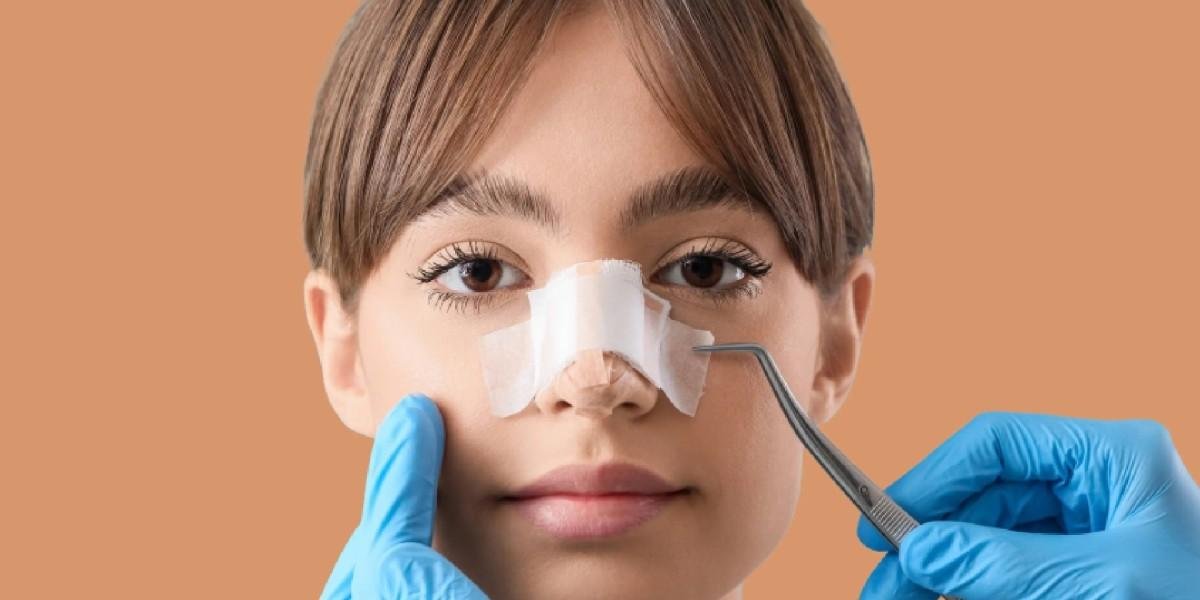
Choosing nose surgery is a personal decision that involves understanding facial proportions, nasal structure, individual goals, and the recovery process. Every nose has a different shape, and every patient has unique expectations. For this reason, a personalized treatment plan is an important part of planning nose surgery. Patients researching nose surgery in Dubai should understand how an individualized approach can help align the recommended procedure with their anatomy, aesthetic preferences, and functional needs.
At Perfect Doctors Clinic, patients can explore suitable treatment options and discuss their concerns during a consultation. A personalized plan considers more than the external appearance of the nose. It may also involve reviewing breathing concerns, previous procedures, medical history, lifestyle, and realistic expectations for recovery.
Whether someone is interested in refining the nasal tip, adjusting the bridge, improving symmetry, or discussing structural concerns, treatment should be planned according to individual needs. Understanding the process can help patients make informed decisions and prepare for each stage of care.
This guide explains the factors that influence personalized nose surgery, the role of consultation, available Rhinoplasty treatment options, expected recovery considerations, and how to evaluate providers when researching Rhinoplasty Dubai.
Understanding Nose Surgery in Dubai and Personalized Treatment Planning
Nose Surgery in Dubai includes surgical procedures that may change the appearance of the nose, address selected structural concerns, or combine aesthetic and functional objectives. Rhinoplasty is one of the procedures commonly considered by patients who want to improve the proportions or contour of their nose.
A personalized treatment plan begins by identifying the patient's priorities. One person may want to refine a rounded nasal tip, while another may be concerned about a prominent bridge or visible asymmetry. Some patients may also have breathing concerns that require appropriate assessment.
These differences matter because a technique that suits one patient may not be suitable for another. The recommended procedure should reflect the patient's anatomy, health, goals, and the clinician's assessment rather than follow a standard approach for everyone.
Why Every Nose Surgery Plan Should Be Individualized
The nose contains skin, cartilage, bone, and internal structures that influence both appearance and function. The thickness of the skin, strength of the cartilage, shape of the nasal bridge, and relationship between the nose and other facial features can affect surgical planning.
An individualized assessment helps the treating professional determine which changes may be appropriate and which limitations should be considered. It also creates an opportunity to discuss what surgery can realistically accomplish.
A personalized plan should explain the proposed approach, expected recovery, potential limitations, follow-up arrangements, and the financial aspects of treatment. This information allows patients to make decisions based on their own circumstances rather than general online descriptions.
Rhinoplasty in Dubai: The Role of Facial Anatomy
Rhinoplasty in Dubai is a relevant search term for patients exploring surgical nose reshaping. However, a successful treatment plan should begin with an assessment of the patient's actual facial anatomy rather than a particular trend or preferred nose shape.
Facial proportions are important because the nose does not exist independently of other features. The chin, forehead, cheeks, lips, and overall facial structure all influence how the nose appears. A change that looks balanced on one person may look different on someone with another facial structure.
Nasal Bridge and Overall Shape
The nasal bridge contributes significantly to the side profile and overall appearance of the nose. Some patients may wish to discuss a prominent bridge, an uneven contour, or a shape that appears disproportionate to their other features.
The treating professional assesses the existing structure and considers which changes may be appropriate. The objective is to establish a plan that reflects the patient's preferences while respecting the limitations of their anatomy.
Nasal Tip and Symmetry
The nasal tip may be a primary concern for people who feel that their nose looks rounded, wide, drooping, or asymmetrical. Its shape depends on cartilage structure, skin thickness, and other anatomical factors.
Tip refinement requires careful planning because the tip affects the overall balance of the nose. A personalized assessment helps determine whether the patient's goals are realistic and which approach may be suitable.
Skin Thickness and Cartilage Support
Skin thickness can influence how clearly the underlying nasal structure appears after surgery. Thicker skin may make subtle definition less noticeable, while thinner skin may reveal small irregularities more readily.
Cartilage strength and existing structural support are also important. These factors can influence the surgical approach, expected changes, and recovery discussions. Patients should understand that anatomy places practical limits on the results that can be achieved.
Rhinoplasty Clinic in Dubai: Why Consultation Matters
Choosing a Rhinoplasty clinic in Dubai involves considering the quality of the consultation, the proposed treatment plan, professional qualifications, and arrangements for postoperative care.
At Perfect Doctors Clinic, patients can discuss their concerns and learn about the factors involved in planning nose surgery. A consultation should provide enough information for patients to understand the recommended procedure and make an informed decision.
What Happens During a Nose Surgery Consultation?
The consultation generally involves discussing the patient's concerns, medical history, expectations, and suitability for surgery. The treating professional may assess the external shape of the nose and consider relevant internal structures when necessary.
Patients should be prepared to explain which features concern them most. For example, someone who is unhappy with the nasal bridge may have different priorities from someone who wants to discuss tip definition or breathing difficulties.
The consultation may also cover:
-
Previous nasal surgery, trauma, or relevant medical conditions.
-
Current medications and supplements.
-
Allergies and other information relevant to treatment.
-
The desired changes and the reasons behind them.
-
The recommended surgical technique and its limitations.
-
Recovery expectations and follow-up arrangements.
-
The expected treatment cost and included services.
This discussion helps establish whether the proposed treatment is appropriate and whether additional assessment may be needed.
How to Communicate Your Expectations Clearly
Patients can prepare for consultation by writing down their concerns and prioritizing the changes that matter most to them. Reference photographs may help explain personal preferences, but they should be used to communicate general goals rather than as a guarantee of an identical result.
It is useful to ask which requested changes are realistic, which may be limited by anatomy, and how the proposed procedure could affect facial balance. Patients should also feel comfortable discussing what they do not want changed.
Clear communication helps both the patient and the treating professional develop a shared understanding of the intended outcome.
Best Rhinoplasty Surgeons in Dubai: Selecting the Right Professional
Searching for the Best Rhinoplasty surgeons in Dubai can help patients begin their research, but online rankings and promotional claims should not be the only basis for choosing a provider. The suitability of a professional depends on relevant qualifications, experience, clinical judgment, communication, and the ability to explain a realistic treatment plan.
Patients evaluating the Best rhinoplasty surgeon in Dubai should confirm the professional's credentials and ask about experience with the procedure being considered. They should also understand who will perform the surgery, how follow-up care will be arranged, and whom to contact if concerns arise during recovery.
Questions to Ask Before Choosing a Surgeon
Consider asking the following questions during consultation:
-
What qualifications and experience do you have relevant to my procedure?
-
What makes the proposed approach suitable for my nasal anatomy?
-
Which changes are realistic in my case?
-
How might the procedure affect nasal function?
-
What will the recovery process involve?
-
When can I expect to see changes in the nose's appearance?
-
What follow-up appointments will be needed?
-
What services are included in the treatment quotation?
The answers should help you understand the proposed care rather than pressure you into making a quick decision.
Understanding the Role of Dr perfect celebrity
Patients searching for Dr perfect celebrity should use their consultation to clarify the treating professional's qualifications, role, and experience with the proposed procedure. It is important to understand who will be responsible for treatment and postoperative follow-up.
The discussion should cover the recommended surgical approach, the expected recovery process, and the limitations of the proposed outcome. Patients should have an opportunity to ask questions and make their decision after receiving clear information.
Rhinoplasty Surgery: Choosing an Appropriate Surgical Approach
Rhinoplasty surgery can involve different techniques depending on the patient's anatomy and treatment objectives. The choice of approach should be based on clinical assessment rather than the assumption that one method is universally better.
Two commonly discussed approaches are open and closed rhinoplasty. In closed rhinoplasty, incisions are generally placed inside the nose. In open rhinoplasty, an additional incision is made across the columella, the tissue between the nostrils, to provide greater visibility of the underlying structures.
Open Rhinoplasty
An open approach may be considered when the planned changes require greater visibility of certain nasal structures. It can be useful in selected cases involving more complex reshaping or structural adjustments.
The suitability of this approach depends on the patient's needs and the treating professional's assessment. Patients should discuss the expected benefits, limitations, incision placement, and recovery considerations before proceeding.
Closed Rhinoplasty
A closed approach uses incisions within the nose. It may be suitable for selected patients whose treatment goals can be addressed through this technique.
Whether it is appropriate depends on the nature of the requested changes and the underlying anatomy. Patients should ask why a particular approach is recommended and how it relates to their treatment goals.
Combining Aesthetic and Functional Considerations
Some patients primarily want to change the external appearance of their nose, while others have concerns about nasal airflow or internal structure. These goals should be discussed separately during assessment because cosmetic reshaping does not automatically correct every breathing problem.
When functional concerns are present, the treating professional can determine whether further examination or a different treatment approach is appropriate. The plan should clearly explain which concerns the proposed procedure is intended to address.
Rhinoplasty Treatment Options for Different Patient Goals
Rhinoplasty treatment options depend on the patient's priorities, anatomy, medical history, and the extent of the proposed changes. Treatment planning should identify the main concern before determining which procedure may be suitable.
For some patients, the discussion may focus on the nasal bridge. Others may be interested in tip refinement, nostril proportions, or overall symmetry. In certain cases, structural support or previous surgical changes may require additional consideration.
Primary Rhinoplasty
Primary rhinoplasty refers to surgery performed on a nose that has not previously undergone rhinoplasty. The treatment plan is developed around the patient's existing anatomy and desired changes.
The consultation should identify the most important concerns and establish realistic expectations for the final appearance. Patients should understand that the result depends on their anatomy and healing, not solely on the surgical technique.
Revision Rhinoplasty
Revision rhinoplasty may be considered by people who have previously undergone nose surgery and have concerns about the appearance or structure of their nose. These cases can require more detailed planning because previous surgery may have altered cartilage, tissue, or structural support.
A professional assessment is necessary to understand the existing anatomy, determine what can reasonably be addressed, and discuss the limitations of further surgery. Revision treatment may involve different considerations from primary rhinoplasty.
Treatment for Structural Concerns
Patients who report nasal obstruction or other breathing concerns should explain these symptoms during consultation. An assessment may be needed to identify whether the issue involves the nasal septum or another structure.
The appropriate treatment depends on the underlying cause. Patients should not assume that an aesthetic procedure alone will resolve functional concerns.
Nose Surgery Cost in Dubai: Understanding Your Personalized Estimate
Nose Surgery cost in Dubai can vary depending on the complexity of the procedure, the surgical technique, facility charges, anesthesia arrangements, and postoperative care. A personalized quotation should reflect the proposed treatment rather than a generic estimate.
Patients should ask for a clear breakdown of the costs before making a decision. Understanding what is included can help prevent confusion about additional services or appointments.
What Can Affect the Cost of Nose Surgery?
Several factors may influence the total cost:
-
The complexity and duration of the planned procedure.
-
Whether the surgery is primary or revision rhinoplasty.
-
The type of anesthesia and facility arrangements.
-
The professional fees associated with the procedure.
-
Preoperative assessments or tests that may be required.
-
Postoperative appointments and supplies included in the package.
-
Any additional treatment needs identified during assessment.
The final estimate should be explained directly by the provider. Patients should avoid choosing a procedure solely on the basis of price and instead consider the complete treatment plan, professional qualifications, communication, and follow-up arrangements.
Rhinoplasty Cost in Dubai: Planning Your Budget
Rhinoplasty cost in Dubai is an important consideration for many patients, but the price should be understood alongside the purpose and scope of treatment. A straightforward procedure and a complex revision may involve different requirements, so one quoted amount will not apply to every case.
During consultation at Perfect Doctors Clinic, patients can discuss the planned procedure and ask for clarification about the costs associated with their individual treatment plan.
Before proceeding, confirm whether the quotation includes the surgical procedure, anesthesia, facility fees, routine follow-up appointments, and necessary postoperative supplies. Ask whether consultations, tests, medications, or additional visits may be charged separately.
A clear financial discussion supports informed planning and helps patients compare treatment options fairly. Patients should take sufficient time to review the information and ask questions about any unclear charges.
Rhinoplasty Before and After: Using Photos to Set Realistic Goals
Rhinoplasty before and after photographs can help patients discuss aesthetic preferences and understand the kinds of changes that may be possible. However, photographs should not be interpreted as a promise that another person's result can be reproduced.
Differences in skin thickness, cartilage structure, facial proportions, healing, and surgical technique all affect the outcome. The same change may look different on two people because their underlying anatomy is different.
What to Look for in Before-and-After Images
When discussing photographs, consider whether the examples involve similar concerns and comparable anatomy. Ask when the after photographs were taken, because images captured early in recovery may show swelling rather than the final result.
Use photographs as a communication tool to explain preferences, not as the sole basis for deciding on surgery. Your treating professional should explain which aspects may be achievable and which may not be suitable for your nose.
Rhinoplasty Recovery: How the Treatment Plan Supports Healing
Rhinoplasty recovery is an important part of personalized treatment planning. Even when two patients undergo similar procedures, their recovery experiences may differ according to the extent of surgery, individual healing, general health, and adherence to postoperative instructions.
The care plan should explain how to protect the nose, manage dressings, attend follow-up appointments, and gradually resume activities.
The First Few Days After Surgery
During the initial recovery period, swelling, bruising, congestion, and discomfort may occur. Patients should rest, follow medication instructions, keep their head elevated if advised, and protect the nose from accidental impact.
Do not remove splints or dressings unless instructed by the treating professional. Avoid blowing the nose or using products inside it unless specifically permitted.
Returning to Normal Activities
The timing of a return to work, exercise, and social activities depends on the procedure and individual progress. Strenuous exercise, heavy lifting, and contact sports should be avoided until the treating professional confirms that they are safe.
Patients should attend scheduled follow-up visits even when they feel comfortable. Seek prompt medical advice for heavy bleeding, difficulty breathing, sudden severe swelling, significant worsening pain, or other concerning symptoms.
Rhinoplasty Results: What a Personalized Plan Can and Cannot Promise
Rhinoplasty results develop as the tissues heal and swelling gradually settles. Some changes may be visible relatively early, but subtle refinement can take many months. The nasal tip may retain swelling longer than other areas.
A personalized treatment plan helps establish realistic goals and explains the expected timeline, but it cannot guarantee a specific appearance. Healing varies, and the final result may differ from early photographs or initial expectations.
Patients should avoid comparing their recovery too closely with someone else's. Instead, they should follow their individual care instructions, attend follow-up visits, and discuss any concerns with their treating professional.
The purpose of planning is to align the procedure with the patient's anatomy and goals while providing a clear understanding of its limitations.
Best Doctors in Dubai: Making an Informed Choice
Researching the Best doctors in dubai involves more than looking at online lists. Patients should consider relevant qualifications, experience with the intended procedure, communication, and access to appropriate postoperative care.
At Perfect Doctors Clinic, patients can discuss their nasal concerns and ask questions about the proposed treatment approach. A useful consultation should explain why the recommended procedure may be suitable, what it is intended to achieve, and what the recovery process involves.
Patients should also understand who will perform the procedure and who will be available for postoperative questions. The final decision should be based on clear information, professional assessment, and personal comfort with the treatment plan.
Conclusion: Why Personalized Planning Matters for Nose Surgery in Dubai
A personalized plan is an essential part of preparing for nose surgery in Dubai because every patient has different anatomical features, aesthetic priorities, functional concerns, and expectations. Careful assessment helps determine which procedure may be appropriate and explains the limitations that should be considered.
From selecting a suitable surgical approach to understanding Rhinoplasty cost in Dubai, preparing for recovery, and setting realistic expectations for Rhinoplasty results, each stage contributes to informed decision-making.
At Perfect Doctors Clinic, patients can discuss their goals, learn about relevant treatment options, and understand the importance of individualized care and follow-up. Taking time to ask questions and review the proposed plan can help patients approach nose surgery with greater clarity and realistic expectations.
Frequently Asked Questions About Nose Surgery in Dubai
1. What is a personalized nose surgery treatment plan?
A personalized plan is developed around an individual's nasal anatomy, aesthetic goals, medical history, and functional concerns. It outlines the proposed procedure, expected recovery, limitations, and follow-up arrangements.
2. Why is consultation important before rhinoplasty?
Consultation allows the treating professional to assess the nose, understand the patient's priorities, review relevant medical information, and explain suitable treatment options. It also helps establish realistic expectations.
3. What factors influence the choice of rhinoplasty technique?
The choice depends on the nasal structure, the changes required, the patient's goals, and the treating professional's assessment. Open and closed approaches may each be suitable in different circumstances.
4. How much does nose surgery cost in Dubai?
The cost depends on factors such as procedure complexity, anesthesia, facility fees, and included follow-up care. Patients should request an individualized quotation that clearly explains what is covered.
5. Can rhinoplasty address breathing concerns?
Some procedures may address specific structural problems that affect nasal airflow. However, cosmetic rhinoplasty does not automatically correct breathing difficulties, so these concerns should be assessed separately.
6. How long does rhinoplasty recovery take?
Initial recovery often takes a few weeks, while swelling and subtle changes can continue for months. The exact timeline depends on the procedure, individual healing, and medical instructions.
7. Can I request a nose shape similar to a photograph?
You can use a photograph to communicate your preferences, but an identical result cannot be guaranteed. Your anatomy, skin thickness, cartilage structure, and facial proportions influence what may be achievable.
8. Is revision rhinoplasty different from primary rhinoplasty?
Yes. Revision surgery involves a nose that has already undergone surgery and may have altered tissue or structural support. It often requires a more detailed assessment and individualized planning.
9. When can I return to exercise after nose surgery?
The timing depends on the procedure and healing progress. Avoid strenuous exercise and activities that could cause facial impact until your treating professional confirms that they are safe.
10. How can I choose the right rhinoplasty provider?
Review relevant qualifications, experience, communication, and follow-up arrangements. Ask about the proposed approach, realistic outcomes, recovery expectations, and costs before making a decision.

 English
 Arabic
 French
 Spanish
 Portuguese
 Turkish
 Dutch
 Italiano
 Russian
 Romaian
 Portuguese (Brazil)
 Greek