
Atlas Mountains Morocco: Essential Travel Tips and Safety Advice
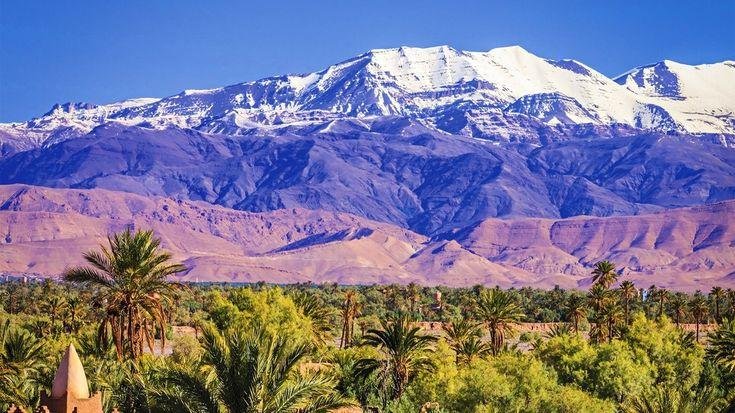
Morocco is a country of remarkable contrasts, where vibrant cities, golden deserts, and traditional villages create unforgettable travel experiences. Among its most impressive natural attractions are the Atlas Mountains, a spectacular destination for travelers seeking outdoor adventures, cultural discoveries, and peaceful escapes from busy urban life.
With towering peaks, scenic valleys, winding mountain roads, and welcoming Berber communities, this region offers something for visitors with different interests and fitness levels.
However, exploring mountainous terrain requires careful preparation. Weather conditions can change quickly, hiking routes may be challenging, and access to medical facilities can be limited in remote areas.
Understanding local customs, choosing suitable accommodation, and preparing for unexpected situations can make your journey safer and more enjoyable. Whether you are planning a short excursion or a multi-day trekking adventure, these essential travel tips will help you explore Morocco's mountain landscapes confidently.
1. Choose the Best Time to Visit
Selecting the right season is one of the most important decisions when planning a Atlas Mountains holiday. Spring, from March through May, generally offers pleasant temperatures, green valleys, blooming flowers, and beautiful scenery. Autumn, particularly September through November, is another popular period because daytime temperatures are often comfortable for hiking and sightseeing.
Summer can be suitable for high-altitude trekking, although lower valleys may become extremely hot during the day. Travelers should begin hikes early, carry sufficient drinking water, and avoid strenuous activity during the hottest hours.
Winter brings snow and freezing temperatures to higher elevations. Some routes become difficult or dangerous without appropriate equipment and experience. Snow, ice, and poor visibility can increase the risk of accidents, particularly around exposed ridges and steep trails.
Before departure, check the local forecast and ask a knowledgeable guide about current trail conditions. Seasonal expectations are useful, but actual weather conditions should determine your final plans.
2. Plan Your Hiking Route Carefully
The region offers walking opportunities ranging from gentle village strolls to demanding mountain ascents. Before choosing an itinerary, consider your fitness level, previous hiking experience, available time, and comfort with steep terrain.
For beginners, shorter walks through valleys and traditional villages provide an excellent introduction to mountain life. More experienced hikers may consider longer treks or routes around Mount Toubkal, North Africa's highest peak, provided they have suitable preparation and support.
Never assume that a short distance means an easy walk. Mountain paths can include loose stones, uneven surfaces, sharp climbs, and exposed sections. Research elevation gain, estimated walking time, water availability, and possible escape routes before setting out.
Share your itinerary with your accommodation or a trusted contact. If you are hiking independently, establish a realistic turnaround time and avoid continuing simply because you want to reach a particular viewpoint. Turning back is a sensible decision when conditions deteriorate.
3. Hire a Qualified Local Guide
Hiring a qualified local guide can improve both safety and the overall travel experience. Experienced guides understand regional terrain, recognize changing weather patterns, and can help travelers navigate unfamiliar trails. They may also introduce visitors to local history, traditional farming practices, and the customs of mountain communities.
For difficult routes or high-altitude climbs, choose a guide with appropriate training and experience for the specific activity. Confirm the itinerary, expected duration, group size, equipment requirements, and emergency arrangements before departure.
Avoid relying entirely on mobile navigation applications. Signals may be unreliable in remote valleys, and electronic devices can lose power in cold conditions. Carry an offline map or another suitable navigation aid, and make sure you understand the route.
When booking a guided excursion, ask about insurance, transportation, accommodation, and what happens if bad weather forces a cancellation. Clear communication helps prevent misunderstandings and supports a safer trip.
4. Pack Essential Clothing and Equipment
Mountain conditions can differ considerably from those in nearby cities. Even during warmer months, temperatures may fall quickly after sunset or at higher elevations. Dressing in layers allows you to adjust your clothing as conditions change.
Your packing list should include comfortable hiking boots with good grip, moisture-wicking clothing, a warm insulating layer, a waterproof jacket, and suitable socks. A hat, sunglasses, and sunscreen are essential because sunlight can be intense at altitude.
Carry a small first-aid kit, personal medications, a fully charged phone, a power bank, a flashlight, and emergency contact information. A whistle and a basic emergency blanket can also be useful on remote routes.
Water and food deserve special attention. Bring enough drinking water for your planned journey, with additional supplies when access to refill points is uncertain. Pack energy-rich snacks such as nuts, dried fruit, and cereal bars.
For overnight treks, confirm whether bedding, meals, and sleeping equipment are provided. Proper preparation reduces discomfort and helps you respond more effectively to unexpected delays.
5. Understand Altitude and Physical Safety
High-altitude travel places additional demands on the body. Visitors who ascend rapidly may experience headaches, nausea, dizziness, fatigue, or difficulty sleeping. These symptoms can indicate altitude-related illness and should not be ignored.
Allow time to acclimatize before undertaking strenuous climbs. Increase elevation gradually when possible, maintain a comfortable pace, drink fluids regularly, and avoid pushing through unusual symptoms.
If symptoms worsen or suggest a serious altitude problem, stop ascending and seek medical assistance. Severe headache accompanied by confusion, difficulty walking, or breathlessness at rest requires urgent attention and descent with appropriate assistance.
Cold exposure, dehydration, and exhaustion are other risks. Take regular breaks, eat adequately, and monitor everyone in your group. Children, older travelers, and people with relevant medical concerns may need additional precautions and a less demanding itinerary.
The most rewarding adventures are not necessarily the most difficult ones. Choosing an appropriate route helps you appreciate the landscape without placing unnecessary pressure on your health.
6. Respect Local Culture and Traditions
Mountain villages provide opportunities to experience Moroccan hospitality and traditional ways of life. Visitors should approach local communities with courtesy, patience, and respect.
Dress modestly, particularly when visiting villages or religious sites. Ask permission before photographing residents, homes, livestock, or private property. A friendly greeting in Arabic or a few words of Tamazight, where appropriate, can help create positive interactions.
Always follow your guide's advice about local customs and community expectations. If invited to share mint tea or a traditional meal, accept graciously when possible, while communicating any dietary restrictions politely.
Purchase locally made crafts and consider hiring local guides or staying in family-run guesthouses. These choices can support livelihoods and encourage responsible tourism.
Protecting the environment is equally important. Carry rubbish back with you, avoid disturbing wildlife, stay on established paths where appropriate, and use water responsibly in areas where resources are limited.
7. Prepare for Transportation and Emergencies
Mountain roads can be narrow, winding, and occasionally affected by landslides, heavy rain, or snow. Choose a reputable transport provider familiar with local conditions, and avoid traveling along unfamiliar mountain roads after dark whenever possible.
Before departing, confirm your pickup location, travel time, and the condition of your vehicle. Keep some cash available because smaller villages may have limited card-payment facilities or unreliable connectivity.
Purchase travel insurance that covers your planned activities, particularly trekking, high-altitude excursions, emergency medical treatment, and evacuation where necessary. Standard policies may exclude certain adventure activities, so read the exclusions carefully.
Save important telephone numbers and keep copies of your travel documents in a secure location. Tell someone when you expect to return from a hike, and update them if your plans change.
In an emergency, prioritize getting to a safe location and contacting local emergency services or your guide. Do not take unnecessary risks attempting a difficult rescue without appropriate training.
8. Choose Accommodation and Food Wisely
Accommodation options range from comfortable mountain lodges and guesthouses to simple refuges used by trekkers. Select lodging according to your route, budget, comfort requirements, and access to transportation.
Read recent reviews, confirm reservation details, and ask about heating, hot water, meals, and luggage storage. Remote accommodation may offer fewer facilities than city hotels, so understanding expectations beforehand is important.
Traditional Moroccan dishes, including tagines, couscous, soups, and freshly prepared bread, are common in the region. Eat at establishments that maintain good hygiene, and choose freshly cooked meals when possible. Drink treated, bottled, or otherwise reliably safe water, especially in remote areas.
If you have food allergies or dietary requirements, communicate them clearly before meals are prepared. Bringing a few familiar snacks can also be helpful during long hikes.
9. Travel Responsibly with mttoubkaltrek
For travelers seeking assistance with mountain excursions, mttoubkaltrek can be considered when researching trekking arrangements and local travel support. Before making a reservation, review the company's available itineraries, guide qualifications, customer feedback, safety practices, and cancellation policies.
Ask specific questions about route difficulty, transportation, accommodation, equipment, and emergency procedures. Comparing these details helps you determine whether a service matches your experience level, travel budget, and expectations. Responsible planning should always take priority over promotional promises, particularly when activities involve remote trails or challenging elevations.
Conclusion
A successful mountain holiday combines adventure with thoughtful preparation, cultural awareness, and respect for nature. The Atlas Mountains reward visitors with dramatic scenery, memorable village encounters, and opportunities to experience Morocco beyond its famous cities and beaches.
By selecting suitable travel dates, researching routes, packing essential equipment, hiring qualified guides when necessary, and preparing for emergencies, you can reduce avoidable risks and enjoy a more comfortable journey. Respect local traditions, support community businesses, and leave natural spaces clean for future visitors.
Most importantly, remain flexible. Weather changes, physical limitations, and unexpected delays are part of mountain travel. With realistic expectations and sensible safety precautions, your Moroccan mountain adventure can become a rewarding experience filled with beautiful landscapes, meaningful connections, and lasting memories.

 English
 Arabic
 French
 Spanish
 Deutsch
 Turkish
 Dutch
 Italiano
 Russian
 Romaian
 Portuguese (Brazil)
 Greek