
The Pinch Test, the Pull Test, and Other Ways to Check Cashmere Quality in Seconds
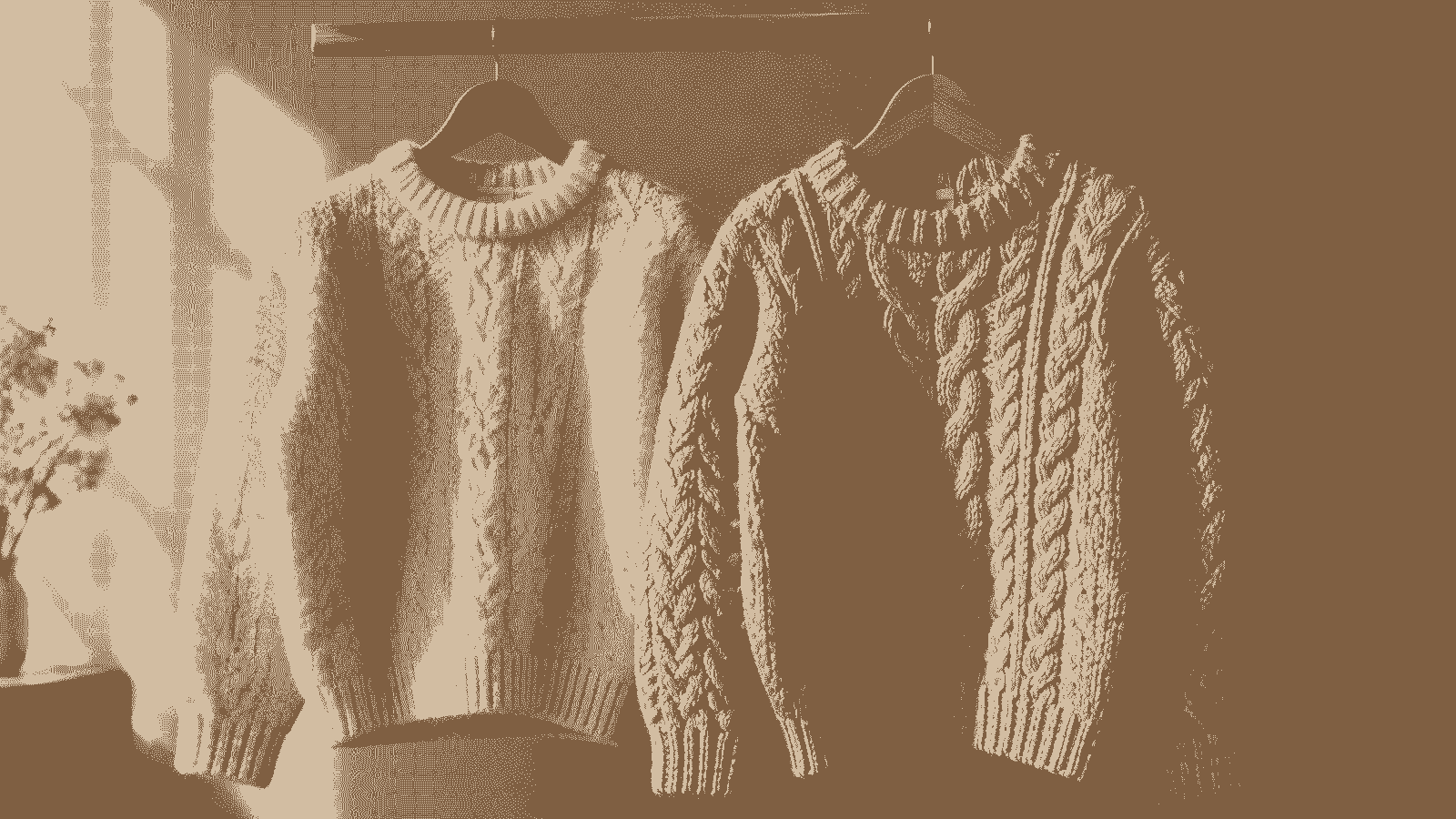
Buying cashmere can feel difficult when every sweater is described as soft, luxurious, and premium. Product labels can tell you the fiber content, but they do not always tell you how the fabric will actually perform after repeated wear. Fortunately, you do not need specialized equipment to make a useful first assessment. Several simple checks can help you understand cashmere quality, fiber density, softness, recovery, and overall construction in just a few seconds.
The pinch test, pull test, surface test, and light test are practical ways to inspect a cashmere sweater before buying it. These methods are not replacements for professional fiber testing, but they can help shoppers notice important differences between well-made cashmere and lower-quality knitwear. Whether you are comparing classic neutral sweaters or looking specifically at Beige Cashmere Sweaters, learning what to look for can make the buying process much easier.
Start With the Fiber Label
Before touching the sweater, check the composition label. Genuine cashmere comes from the fine undercoat fibers of cashmere goats, and a garment marketed as cashmere should clearly state its fiber content. Terms such as 100% cashmere, cashmere blend, wool and cashmere, or cashmere with synthetic fibers describe very different products.
A label that says 100% cashmere does not automatically mean the garment is exceptionally high quality. Cashmere fiber quality depends on factors such as fiber fineness, length, consistency, and processing. Still, checking the label gives you an important starting point because it tells you what you are actually evaluating.
If a sweater is labeled as a blend, compare the percentages before judging its softness or performance. A cashmere blend can still be comfortable and durable, but it should not be evaluated as though it were a pure cashmere garment.
Try the Pinch Test
The pinch test is one of the simplest ways to assess the feel and density of a cashmere knit. Gently pinch a small section of fabric between your thumb and finger. Pay attention to how substantial the material feels rather than simply asking whether it feels soft.
Good cashmere can feel soft without feeling excessively thin or flimsy. When you gently pinch the fabric, it should have some body and resilience. Very loose or paper-thin fabric may indicate a lightweight construction, although thinness alone does not prove poor quality because fine cashmere can intentionally be knitted at a lighter weight.
The key is to consider cashmere fabric density alongside the garment's intended use. A lightweight sweater designed for layering will naturally feel different from a heavy winter cashmere jumper.
Use the Pull Test Carefully
The pull test looks at how the knitted fabric responds when gently stretched. Hold a small section of the sweater and lightly pull it apart horizontally. You are not trying to stretch the garment significantly. You are simply checking whether the knit feels stable and whether it begins to look unusually open.
Quality knitwear should have a reasonably consistent structure. After you release the fabric, it should recover rather than remaining noticeably distorted. This is an informal way to examine knitwear construction and elasticity.
Avoid pulling aggressively because cashmere is a delicate natural fiber. The purpose of the test is observation, not stress testing. If the fabric stretches dramatically from a very light pull or appears loose and unstable, take that as a reason to inspect the garment more closely.
Check How the Fabric Recovers
Recovery is closely related to the pull test but deserves separate attention. Gently press or stretch a small part of the fabric and then let it return to its original position.
A well-constructed knit should show some natural recovery. If the fabric stays stretched, develops a visible distortion, or feels unusually slack after minimal handling, its construction may not be as stable as you would want.
This matters because a sweater that looks beautiful when new needs to maintain its shape through normal wear. Cashmere sweater durability depends not only on the fiber itself but also on yarn quality, knitting technique, finishing, and garment construction.
Rub the Surface Lightly
Another quick test is to gently rub a small section of cashmere against itself. This can help you understand how the surface behaves, but it should not be used to deliberately create heavy friction.
Some initial fuzzing or loose fibers can be normal in a new cashmere garment. Cashmere can develop small pills because shorter fibers work their way toward the surface during wear. However, if the sweater produces a large amount of loose fuzz immediately from minimal handling, it may deserve closer inspection.
The important distinction is between normal early surface fibers and excessive shedding. Cashmere pilling is influenced by fiber length, yarn construction, friction, and wear patterns, so a quick rub cannot predict the entire lifespan of a garment.
Look at the Surface Under Good Light
Lighting can reveal details that are difficult to notice in a store or online photograph. Hold the sweater under bright, even light and inspect the surface.
Look for consistent knitting, uneven patches, loose loops, visible damage, or areas where the texture changes unexpectedly. A high-quality sweater should generally have an even appearance across the body, sleeves, and panels.
You can also use this opportunity to inspect the color. This is particularly useful with lighter shades. Beige Cashmere Sweaters, for example, can show uneven dyeing, marks, or surface irregularities more easily than very dark knitwear.
A consistent surface does not guarantee premium cashmere, but visible construction problems can be useful warning signs.
Examine the Knit Closely
Turn your attention from the fiber to the actual knitting. Look at the stitches around the cuffs, neckline, side seams, and hem.
The stitches should generally appear consistent rather than randomly loose or uneven. Pay special attention to areas that receive more stress. Cuffs should have a clean finish, seams should sit neatly, and the neckline should look properly shaped.
This is where cashmere sweater construction becomes especially important. Two sweaters can use cashmere of similar fiber content while offering very different levels of craftsmanship.
A garment with careful finishing may retain its shape and appearance better because the construction supports the natural characteristics of the fiber.
Check the Weight in Your Hands
Pick up the sweater and consider how it feels compared with its size. Weight alone cannot tell you whether cashmere is good or bad, but it can provide useful context.
A lightweight cashmere sweater may be designed for spring, indoor wear, or layering. A heavier knit may be intended for colder conditions. Problems arise when shoppers assume that heavier automatically means better.
Instead, think about whether the cashmere knit weight makes sense for the garment's intended purpose. A beautifully made lightweight sweater can be more useful than a heavy sweater if you want versatile layering.
Look for Consistent Softness
Softness is one of cashmere's defining characteristics, but extremely soft does not always mean extremely high quality. Finishing processes can influence the initial hand feel, while fiber characteristics influence how the material behaves over time.
Run your hand gently over different areas of the sweater. The texture should feel reasonably consistent across the garment. If one area feels noticeably rougher, unusually thin, or different from the surrounding fabric, inspect that section more carefully.
Good cashmere softness should feel natural rather than excessively slick or artificial.
Inspect the Seams and Finishing
Quality is not only about the cashmere fiber. Look inside the sweater.
Check the seams, thread ends, cuffs, neckline, and hem. Look for loose threads, poorly joined panels, uneven stitching, or areas where the finishing appears rushed. These details can reveal how much attention was given to the garment during production.
A well-finished sweater should look considered both inside and outside. While small imperfections can occur in handmade or delicate knitwear, major construction problems deserve attention before purchase.
Compare Two Sweaters Side by Side
One of the most effective quality checks is comparison. If possible, examine two cashmere sweaters at the same time.
Compare their softness, density, stretch recovery, surface appearance, stitch consistency, and finishing. Instead of asking whether one feels luxurious in isolation, ask what differences you can actually observe.
This approach is particularly helpful when comparing different weights or styles. For example, a fine crewneck and a heavier cardigan may feel completely different while both being well made.
Do Not Judge Cashmere by Softness Alone
The biggest mistake shoppers make is treating softness as the only measure of quality. Cashmere should feel soft, but quality involves much more than the first impression.
Consider fiber length, fiber fineness, yarn construction, knitting density, finishing, garment shape, and expected use. A sweater that feels exceptionally soft in a fitting room still needs to hold its shape and perform well through normal wear.
This is why the best approach combines several quick checks rather than relying on one test.
How to Check Beige Cashmere Sweaters
Neutral colors deserve their own inspection because small imperfections can be easier to notice. When evaluating Beige Cashmere Sweaters, inspect the garment under natural or bright neutral lighting.
Check whether the beige tone looks consistent from panel to panel. Look for discoloration around the neckline and cuffs, uneven dye absorption, surface marks, and visible differences in texture. Also compare the color with the product description because beige can range from warm cream and oatmeal to darker camel-inspired tones.
A neutral cashmere sweater often becomes a highly versatile wardrobe piece, so consistency in color and construction matters. The cleaner the basic construction, the easier the sweater is to style with different trousers, shirts, coats, and footwear.
What These Tests Can and Cannot Tell You
The pinch test, pull test, surface check, and visual inspection are useful screening tools, but none can scientifically verify fiber origin or exact fiber measurements. Professional textile testing is required for precise analysis of fiber composition, diameter, and other technical characteristics.
For everyday shopping, however, these checks can help you avoid obvious quality issues and make a more informed comparison. They take only a few seconds and require no special equipment.
The goal is not to find a sweater that passes one magical test. The goal is to look at the whole garment. Check the label, feel the fabric, inspect the knit, test gentle recovery, examine the surface, and look closely at the finishing.
Final Thoughts
Understanding cashmere quality does not require becoming a textile expert. A few simple habits can help you evaluate a sweater before committing to it. The pinch test gives you a sense of fabric body, the pull test helps you observe knit stability, and surface and seam checks reveal details that softness alone cannot show.
When shopping for cashmere, think beyond the first touch. Look at the fiber content, construction, consistency, recovery, weight, finishing, and intended use. These factors work together to determine how a sweater looks and feels when new and how well it may perform over time.
For shoppers considering Beige Cashmere Sweaters, these checks are especially useful because neutral cashmere is often chosen for its versatility and timeless appearance. A thoughtful inspection takes only moments, but it can help you choose a garment that fits your wardrobe, your climate, and your expectations for quality.

 Arabic
 French
 Spanish
 Portuguese
 Deutsch
 Turkish
 Dutch
Dutch
 Italiano
 Russian
 Romaian
 Portuguese (Brazil)
 Greek
Greek