
Choosing the Right Early Learning Centre for Your Child
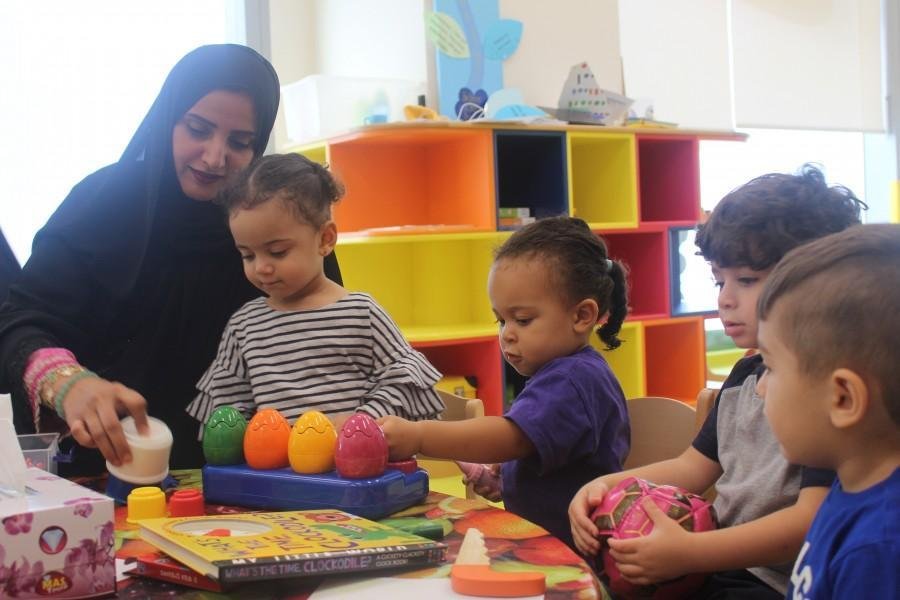
Choosing an early learning centre is an important decision for families who want their children to develop confidence, communication skills, independence, and positive learning habits. A well-organised JLT nursery can provide a supportive environment where young children learn through age-appropriate activities, social interaction, play, and structured routines.
Understanding the Importance of Early Education
The early years of childhood provide an important foundation for future learning. Children begin developing language, emotional awareness, social skills, coordination, and problem-solving abilities through everyday experiences.
A quality early learning environment does not focus only on academic preparation. It also encourages children to become comfortable communicating with others, making choices, exploring new ideas, and participating in group activities.
Learning Through Play
Play is one of the most effective ways for young children to explore the world around them. Building blocks, puzzles, role-play, art, music, sensory activities, and outdoor games can encourage creativity and curiosity.
Well-planned activities allow children to learn naturally while remaining engaged and interested.
Developing Social Confidence
Children gradually learn how to share, cooperate, listen, and express their feelings when they spend time with their peers. These interactions can help them develop social confidence.
Teachers can support this process by encouraging positive communication and helping children understand how to manage everyday situations.
What Parents Should Look For
Every family has different priorities, but several factors deserve attention when evaluating an early learning centre.
Qualified and Caring Educators
Teachers play a major role in shaping the daily experience of young children. Parents should consider whether educators are experienced, approachable, attentive, and able to respond appropriately to different learning and emotional needs.
A caring teacher can make children feel secure while encouraging them to explore independently.
A Safe Learning Environment
Safety should remain a central consideration. Parents can ask about classroom supervision, entry procedures, emergency arrangements, outdoor play areas, hygiene practices, and general child-protection measures.
The physical environment should also be suitable for young children, with age-appropriate furniture, equipment, and learning materials.
A Balanced Daily Routine
Young children benefit from predictable routines. A well-planned day may include learning activities, free play, outdoor time, meals, rest, creative sessions, and opportunities for social interaction.
A balanced routine provides structure without making the day feel overly rigid.
Communication With Parents
Good communication between educators and families can strengthen a child's learning experience.
Parents should receive useful information about activities, progress, behaviour, routines, and any concerns that may require attention. Regular communication also allows teachers to understand a child's interests and individual needs.
Sharing Progress
Children develop at different rates. Rather than focusing only on academic achievements, progress can include improvements in communication, confidence, motor skills, independence, cooperation, and participation.
Parents can use this information to support learning at home.
Creating a Positive Learning Experience
A successful early education programme should encourage children to feel comfortable asking questions and trying unfamiliar activities.
Encouraging Curiosity
Simple experiences such as observing plants, experimenting with water, sorting objects, listening to stories, or exploring colours can encourage children to think and investigate.
Teachers can build on these experiences by asking questions and allowing children to explain their ideas.
Supporting Independence
Small responsibilities can help children become more independent. Putting away toys, choosing an activity, washing hands, organising personal belongings, and helping with simple classroom routines are examples of everyday opportunities.
These experiences can gradually build confidence and responsibility.
The Role of Outdoor Activities
Outdoor play provides opportunities for physical movement and exploration. Running, climbing, balancing, throwing, and other activities can support coordination and physical development.
Outdoor environments can also introduce children to nature and provide a change from indoor learning.
Preparing Children for the Next Stage
Early education can help children develop habits that support future schooling. Listening to instructions, completing simple tasks, communicating with teachers, working alongside classmates, and managing personal belongings are useful skills.
The objective should not be to pressure children into formal academic learning too early. Instead, the focus can remain on creating positive attitudes toward learning.
Making the Final Decision
Parents should consider several factors together rather than relying on one feature. Location, educational approach, staff, safety, communication, facilities, daily routines, and overall atmosphere can all influence the suitability of a centre.
Visiting the facility can also be valuable. Parents can observe classrooms, ask questions, meet educators, and understand how children spend their day.
Final Thought
Choosing an early learning centre is about finding an environment where children can feel safe, valued, curious, and encouraged to grow. A balanced programme that combines learning, play, social interaction, physical activity, and emotional support can give young learners a strong foundation. Families comparing options such as a nursery Dubai Marina should look beyond convenience and consider the complete educational experience offered to their child.

 Arabic
 French
 Spanish
 Portuguese
 Deutsch
 Turkish
 Dutch
Dutch
 Italiano
 Russian
 Romaian
 Portuguese (Brazil)
 Greek
Greek