
Hair Transplant: A Complete Guide to Natural-Looking Hair Growth
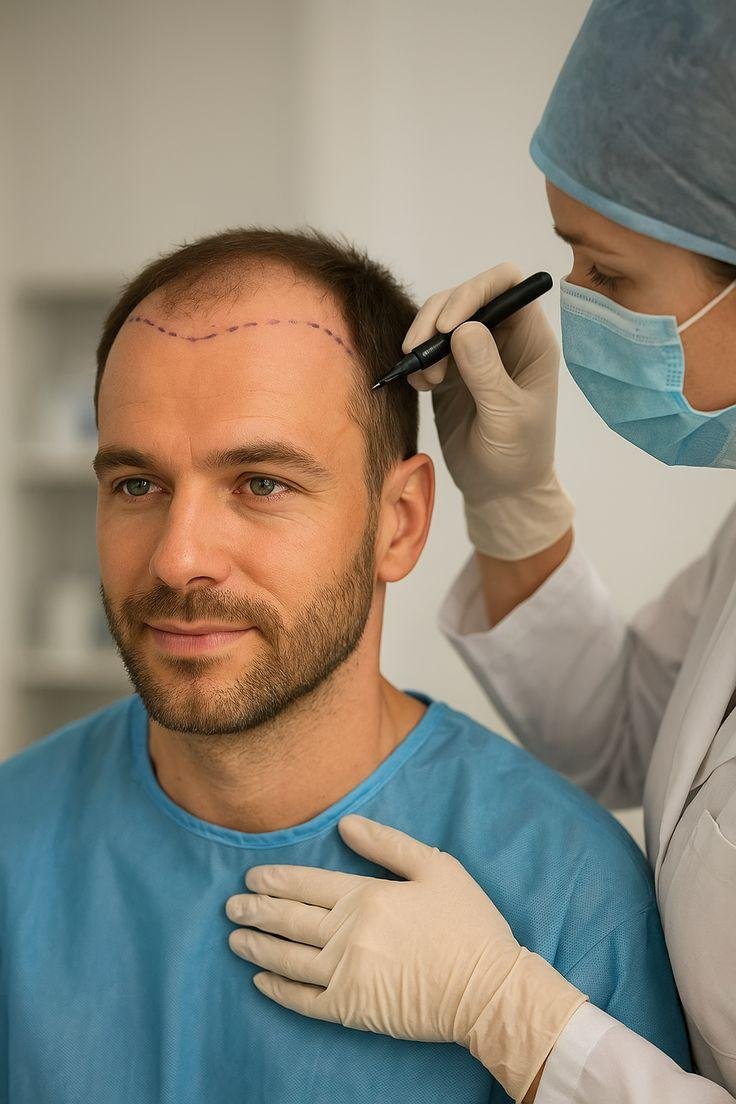
Hair loss is a common concern that can affect people of different ages and backgrounds. Thinning hair, a receding hairline, or bald areas may gradually change a person's appearance and confidence. Although there are many products and treatments available for hair loss, some people prefer a longer-term restoration option. A hair transplant is one approach that uses a person's own hair follicles to restore areas affected by thinning or baldness.
Modern hair restoration techniques focus on achieving results that blend naturally with existing hair. Understanding how the procedure works, what to expect, and which factors influence results can help people make informed decisions.
What Is a Hair Transplant?
A hair transplant is a surgical procedure that moves healthy hair follicles from a donor area of the scalp to areas where hair is thinning or absent. The donor follicles are commonly taken from regions that are more resistant to pattern hair loss.
The transplanted follicles are positioned carefully so that new hair growth follows the natural direction and angle of the surrounding hair. Because the procedure uses the patient's own follicles, the restored hair can look and feel like their existing hair once it has fully grown.
How Does Hair Transplantation Work?
The process generally begins with a consultation and examination of the scalp. A specialist evaluates the pattern of hair loss, donor hair density, scalp condition, and the patient's restoration goals.
During treatment, follicles or groups of follicles are harvested from the donor region. Depending on the selected technique, they may be removed individually or as a strip of scalp tissue. The follicles are then prepared and placed into small recipient sites.
Precision is important throughout the procedure. The surgeon must consider the direction of growth, spacing, density, and design of the hairline to create a balanced appearance.
Common Hair Transplant Techniques
Two commonly discussed techniques are FUE and FUT.
Follicular Unit Extraction (FUE) involves removing individual follicular units from the donor area. These units are then implanted into the recipient area. FUE does not require removing a strip of scalp and generally leaves tiny extraction marks that may become difficult to notice as they heal.
Follicular Unit Transplantation (FUT) involves removing a narrow strip of scalp containing healthy follicles. The strip is divided into individual follicular units before implantation. This method can be appropriate for some patients depending on their donor hair and restoration requirements.
The best technique depends on individual circumstances, so a qualified specialist should recommend an approach after assessing the scalp.
Creating a Natural-Looking Hairline
One of the most important aspects of a hair transplant is designing a natural-looking hairline. A good hairline should complement the person's facial proportions rather than appear artificially straight or overly dense.
Specialists may use irregular placement at the front edge to imitate the natural variation found in existing hair. Behind the hairline, grafts can be arranged to provide additional coverage and density.
The patient's age, facial structure, current hair pattern, and potential future hair loss should all be considered during planning.
What Happens After Treatment?
Recovery varies from person to person. Some temporary redness, swelling, tenderness, or sensitivity may occur after the procedure. The treated area needs to be handled gently while the scalp heals.
Patients are normally given specific aftercare instructions covering washing, physical activity, sleeping positions, and scalp care. Following these instructions can help support proper healing and reduce the risk of complications.
It is important to remember that transplanted hair does not usually grow immediately. The follicles need time to recover and enter their normal growth cycle.
Understanding Hair Growth After a Transplant
Hair growth following a hair transplant is gradual. Some transplanted hairs may shed during the early stages, which can be a normal part of the process. New growth generally develops progressively over the following months.
The final appearance can take many months to evaluate, and individual results vary. Factors such as genetics, age, donor hair quality, the extent of hair loss, and overall health can influence the outcome.
Patience is therefore essential. Taking photographs throughout the recovery period can help patients and specialists monitor changes over time.
Benefits of Hair Transplantation
A major advantage of a hair transplant is that it uses the patient's own hair follicles. Once successfully established, transplanted follicles can provide long-lasting hair growth.
Other potential benefits include improved coverage of thinning areas, a more defined hairline, and a natural appearance. The procedure can also reduce the need to rely on temporary cosmetic methods for concealing hair loss.
However, results cannot be guaranteed, and not everyone is an ideal candidate. A medical assessment is essential before treatment.
How to Prepare for a Hair Transplant
Good preparation begins with a detailed consultation. Patients should provide their medical history and discuss medications, supplements, previous hair treatments, and expectations with their specialist.
The clinic may provide instructions regarding hair washing, smoking, alcohol, medications, and physical activity before treatment. Following professional guidance can help create suitable conditions for the procedure and recovery.
Patients should also choose a qualified and experienced medical professional rather than selecting a clinic based solely on price.
Maintaining Your Results
After recovery, transplanted hair can generally be washed and styled like natural hair. However, existing non-transplanted hair may continue to thin because of the underlying cause of hair loss.
A specialist may recommend ongoing medical treatment or other strategies to help manage continuing hair loss. Regular follow-up appointments can also help evaluate the condition of both transplanted and existing hair.
Conclusion
A hair transplant can be a valuable option for individuals seeking natural-looking restoration of thinning or bald areas. Modern techniques allow specialists to carefully harvest, prepare, and place follicles according to each patient's unique hair pattern.
Successful results depend on appropriate candidacy, realistic expectations, skilled treatment, and proper aftercare. Anyone considering hair transplantation should consult a qualified medical professional for personalized advice and a thorough evaluation before proceeding.
For more information visit Royal Hair Transplant clinic in islamabad

 English
 Arabic
 Spanish
 Portuguese
 Deutsch
 Turkish
 Dutch
Dutch
 Italiano
 Russian
 Romaian
 Portuguese (Brazil)
 Greek
Greek