
How Water Damage Restoration Helps Restore Your Home Fast
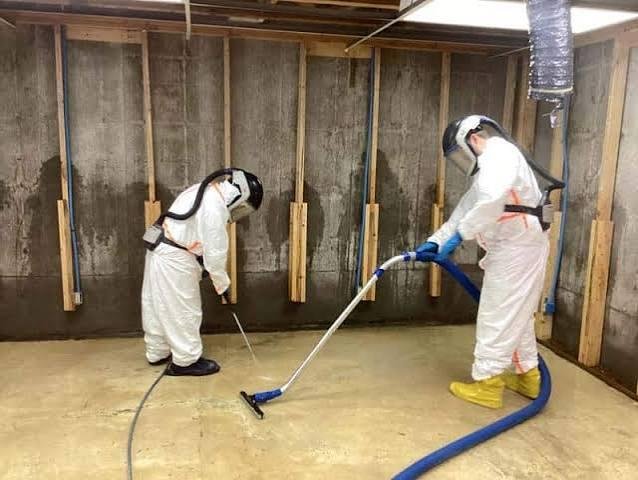
Water damage doesn't send you a warning text before it shows up. A burst pipe, a leaking roof, an overflowing appliance — any of these can flood your home in minutes. And here's the thing: even a small amount of water can sneak into floors, walls, ceilings, and spots you'd never think to check.That's where water damage restoration comes in. It's not just about mopping up a puddle. Professional teams remove standing water, dry out affected areas, clean damaged materials, and hunt down hidden moisture before it turns into a bigger mess. Act fast, and the whole process becomes a lot easier.
Why You Can't Wait Around
Water doesn't stay put. It creeps through flooring, drywall, insulation — basically anywhere it can find a path. Sometimes it collects behind walls or under floors where you'd never spot it just by looking.
And the longer it sits there? The worse things get. Wood swells or weakens. Flooring warps. That musty smell starts creeping in.
Honestly, the fastest way to limit the damage is to act before it spreads any further.
What Actually Happens During Restoration
Professional restoration isn't just one step — it's a whole process. Each stage plays a role in getting your home back to safe and dry.
Inspecting the property.
First things first: where did the water come from, and how far has it traveled? Technicians check obvious problem spots, sure, but they also look in places that seem dry on the surface. Moisture meters help find water hiding behind walls or under flooring — places you'd never guess.
Removing standing water.
This needs to happen fast. Depending on how much water we're talking about, professionals bring in pumps, wet vacuums, and other equipment. Get the water out quickly, and you stop it from spreading into more rooms.
Drying everything out.
Here's something people don't realize — removing the visible water is just step one. Materials can hold onto moisture long after the surface looks bone dry. Air movers, dehumidifiers, and moisture monitors do the heavy lifting here, and professionals keep checking until everything's actually dry, not just dry-looking. This step might be the most important part of the entire water damage restoration process.
Cleaning and sanitizing.
Floodwater isn't clean. It can carry dirt, bacteria, and other stuff you don't want lingering in your home. The right cleaning approach depends on where the water came from and what it picked up along the way.
Repairing what's damaged.
Some materials bounce back after drying. Others don't. Drywall, flooring, trim, insulation — restoration teams check each one and figure out what can be saved versus what needs replacing.
What Usually Causes Water Damage?
Some water damage hits suddenly. Some builds up slowly over time. Either way, the usual suspects include:
- Burst or leaking pipes
- Appliance leaks
- Overflowing toilets or sinks
- Roof leaks
- Heavy rain and storms
- Basement flooding
- Water heater failures
- Drain and plumbing issues
Finding the actual source matters. Skip that step, and new water just keeps coming in even after cleanup starts.
Can Water Reach Areas You Can't See?
Absolutely. Water travels behind walls and under surfaces without much trouble. That ceiling stain you're staring at? It's probably just the tip of the iceberg.
Moisture moves through drywall and insulation, settling into spots that are nearly impossible to spot on your own. That's exactly why a professional inspection is worth it after any serious water exposure.
Real water damage restoration doesn't just chase visible puddles — it checks everywhere water could have gone.
What You Can Do Before Help Shows Up
Waiting for professionals doesn't mean sitting there doing nothing. If you can safely stop the water source — say, shutting off the main supply for a plumbing leak — do it. Stay away from anything electrical that's been exposed to water. That's not worth the risk.
Move valuable items out of the affected area if it's safe to do so.
And skip the household fans if there's any chance the water is contaminated or electrical hazards are involved. Let the professionals figure out the safest way forward.
How Restoration Actually Protects Your Home
Good restoration goes way beyond drying the floor. It targets moisture that's worked its way into building materials and flags areas that need extra attention.
Professional equipment also dries things far more thoroughly than open windows and a couple of box fans ever could.
Respond quickly, and you'll usually limit how far the damage spreads. How long the whole thing takes depends on the amount of water, what got affected, moisture levels, and where the problem started.
When Is It Time to Call a Professional?
Call one when the damage covers a large area, keeps spreading, comes from a contaminated source, or reaches spots you can't safely get to yourself.
It's also worth bringing in help anytime water has made its way into walls, ceilings, flooring, or other hidden spaces.
A restoration team can inspect the property, remove the water, dry things out properly, and walk you through what repairs might be needed.
Final Thoughts
Water damage has a way of snowballing when moisture sticks around in places it shouldn't. Quick inspection, water removal, drying, cleaning, and repairs — that's what keeps a small problem from becoming a big one. Professional water damage restoration gives you a structured way to tackle both the damage you can see and the damage you can't. Whether it's a plumbing leak, a flood, an appliance failure, or storm damage that hit your home, acting early is what makes the biggest difference in getting things back to normal.
FAQ
How long does water damage restoration typically take?
It varies. Minor water damage might dry out in a few days, while larger floods with hidden moisture can take a week or more to fully resolve.
Is it safe to stay in my home during water damage restoration?
In most cases, yes — unless the water is contaminated or there's an electrical hazard. Your restoration team can tell you if any areas need to be avoided.
Will my homeowner's insurance cover water damage restoration?
It depends on your policy and the cause of the damage. Sudden issues like burst pipes are often covered, while gradual leaks sometimes aren't — it's worth checking with your provider directly.

 Arabic
 French
 Spanish
 Portuguese
 Deutsch
 Turkish
 Dutch
Dutch
 Italiano
 Russian
 Romaian
 Portuguese (Brazil)
 Greek
Greek