
The Future of Network Attached Storage: Trends and Innovations
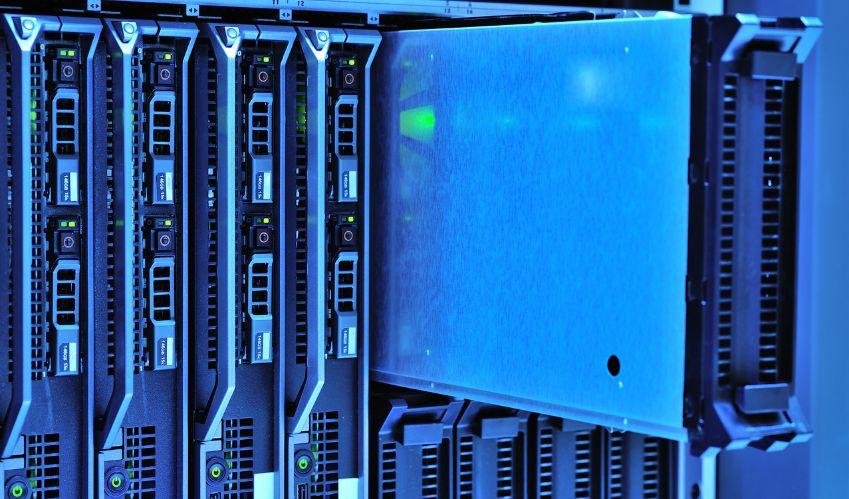
Network Attached Storage (NAS) is becoming an important part of modern data management as businesses and individuals generate increasing volumes of digital content. From business documents and databases to videos, applications, and backups, organisations need storage systems that can provide reliable access while maintaining data security. NAS offers a centralised approach to storing and managing information across connected devices.
The global network attached storage market was valued at USD 35.13 Billion in 2025 and is projected to reach USD 183.86 Billion by 2035, growing at a CAGR of 18.00% over the forecast period 2026–2035, according to Expert Market Research. The strong growth reflects rising data volumes, increasing cloud adoption, remote working, and the growing need for efficient backup and data management solutions.
Growing Demand for Centralised Data Storage
Businesses increasingly rely on digital information for daily operations. As employees, applications, and connected devices generate more data, managing information across separate computers and storage devices can become difficult.
NAS provides a centralised storage environment that can be accessed by authorised users over a network. This makes it easier for businesses to organise files, share information, and manage backups from a single platform. Small and medium-sized businesses can particularly benefit from NAS solutions that provide enterprise-style storage capabilities without requiring highly complex infrastructure.
Integration of Cloud and NAS
One of the major trends shaping the future of NAS is closer integration with cloud services. Hybrid storage models allow businesses to combine local NAS infrastructure with cloud platforms, providing greater flexibility in how data is stored and accessed.
Frequently used files can remain on local NAS systems for quick access, while less frequently accessed information can be transferred to cloud storage. This approach can help organisations manage storage costs and create additional options for backup and disaster recovery.
Cloud-connected NAS systems are also becoming useful for remote teams. Employees can securely access files from different locations without relying entirely on local storage devices.
AI and Intelligent Storage Management
Artificial intelligence is expected to influence the development of NAS technologies. AI and machine learning can help analyse storage activity, identify unusual behaviour, and improve system management.
For example, intelligent NAS systems can monitor storage capacity and provide recommendations when available space becomes limited. AI-based security features may also help identify unusual file activity that could indicate potential cyber threats.
As businesses generate larger volumes of data, automated monitoring and predictive management can reduce the amount of manual work required to maintain storage infrastructure.
Improved Data Security
Data security is becoming increasingly important as businesses face growing cybersecurity risks. NAS manufacturers are therefore focusing on features that can protect sensitive information from unauthorised access, accidental deletion, and cyberattacks.
Modern NAS systems can include encryption, access controls, multi-factor authentication, snapshots, and automated backups. These features can help organisations create multiple layers of protection around important data.
Regular snapshots and backups are particularly useful for recovery after accidental deletion or ransomware incidents. As cyber threats become more sophisticated, security is likely to remain a major area of innovation in the NAS market.
Faster Connectivity and Performance
The performance of NAS systems depends heavily on network connectivity. The adoption of faster networking technologies is enabling users to transfer larger files more quickly and support demanding applications.
High-speed Ethernet and improved network infrastructure can make NAS systems suitable for applications involving video production, large databases, virtual machines, and collaborative workflows. This is particularly important for businesses that need several employees or systems to access large files simultaneously.
Future NAS solutions are likely to focus on higher transfer speeds and improved hardware performance to support increasingly data-intensive workloads.
NAS for Small and Medium-Sized Businesses
NAS is not limited to large enterprises. Small and medium-sized businesses are increasingly looking for affordable ways to manage their data without building complex storage environments.
Modern NAS devices can provide file sharing, backup, surveillance storage, media management, and collaboration features through a single system. This makes them useful for businesses that need scalable storage but have limited IT resources.
As NAS solutions become easier to configure and manage, their adoption among smaller organisations could continue to increase.
Edge Computing and Distributed Storage
The expansion of edge computing is creating another opportunity for NAS technology. Edge computing involves processing and managing data closer to where it is generated rather than sending everything to a central data centre.
NAS systems can support local data storage in offices, industrial facilities, retail locations, and other environments where large amounts of information are generated. Local storage can reduce dependence on constant connectivity to centralised systems and support faster access to frequently used information.
The combination of edge computing and NAS could become particularly relevant as businesses adopt more Internet of Things devices and connected systems.
Sustainability and Energy Efficiency
As data storage requirements increase, energy efficiency is becoming an important consideration for businesses. NAS manufacturers are exploring more efficient hardware, power management features, and storage technologies to reduce energy consumption.
Businesses can also improve efficiency by using automated power schedules and managing storage capacity according to actual requirements. These measures can help reduce operational costs while supporting broader sustainability goals.
The Future of Network Attached Storage
The future of NAS is likely to be shaped by the convergence of cloud computing, artificial intelligence, cybersecurity, edge computing, and high-speed networking. Rather than functioning only as a basic file storage system, NAS is evolving into a broader data management platform.
Businesses will increasingly require storage solutions that can scale with data growth while providing secure access, automated management, and reliable recovery capabilities. Hybrid cloud integration and intelligent storage management are expected to become more common as organisations seek greater flexibility.
With the global network attached storage market projected to reach USD 183.86 Billion by 2035, NAS technology is positioned to play an increasingly important role in the future of digital infrastructure. As data continues to grow across industries, innovative NAS solutions can help organisations store, protect, and manage information more efficiently.

 Arabic
 French
 Spanish
 Portuguese
 Deutsch
 Turkish
 Dutch
Dutch
 Italiano
 Russian
 Romaian
 Portuguese (Brazil)
 Greek
Greek