
Surgical Instrument Shop in Lahore How to Select the Right Medical Instruments
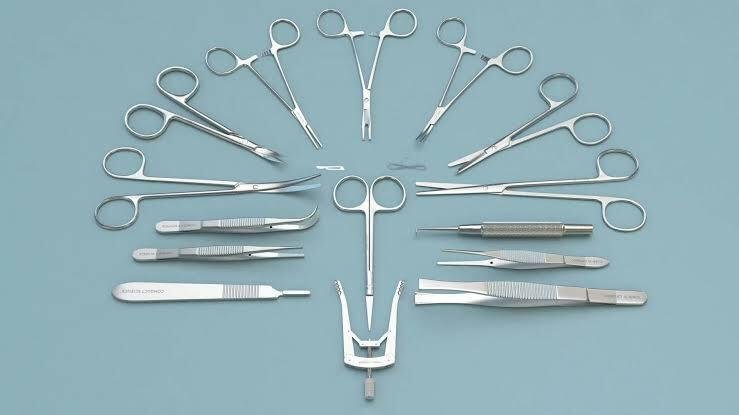
Medical instruments play an important role in modern healthcare. Doctors, surgeons, dentists, nurses, laboratories, and medical institutions use specialized tools for different procedures. Choosing the right equipment requires attention to quality, design, material, intended use, and maintenance.
People searching for a surgical instrument shop in Lahore may find many types of medical tools available in the local market. However, knowing what to look for can make the buying process easier and safer.
Lahore is one of Pakistan's major healthcare and commercial centers. Its medical supply market serves healthcare facilities within the city as well as buyers from other regions of Pakistan. This guide explains the main types of surgical instruments and the factors buyers should consider before purchasing them.
What Are Surgical Instruments?
Surgical instruments are specialized tools designed for medical procedures. They allow healthcare professionals to cut, hold, clamp, separate, examine, or manipulate tissues and other materials.
Some instruments have a general purpose, while others are designed for specific medical specialties.
Common surgical instruments include:
- Forceps
- Scissors
- Needle holders
- Retractors
- Hemostatic clamps
- Surgical blades
- Scalpels
- Speculums
- Suction instruments
- Dissection instruments
The correct instrument depends on the procedure and the requirements of the healthcare professional using it.
Why Instrument Selection Matters
Selecting an appropriate surgical instrument can support accurate and controlled procedures. A poorly designed or damaged instrument may create handling problems and affect workflow.
Healthcare facilities should therefore evaluate instruments before adding them to their inventory.
Key Selection Factors
Consider these factors before purchasing:
- Intended use: Identify the procedure or medical task for which the instrument is required.
- Design: Check whether the instrument's shape and mechanism suit its intended application.
- Size: Select the correct length, diameter, and working dimensions.
- Material: Review the material and its suitability for the expected environment.
- Construction: Inspect joints, handles, tips, and working surfaces.
- Maintenance: Understand the cleaning, sterilization, and storage requirements.
- Durability: Consider how the instrument will perform under repeated use.
These factors can help buyers avoid purchasing instruments that do not meet their practical requirements.
Types of Surgical Instruments
Different medical procedures require different categories of instruments.
Cutting Instruments
Cutting instruments are designed to cut tissue or other materials during medical procedures.
Examples include surgical scissors, scalpels, and surgical blades. Their edges should be properly finished and suitable for the intended application.
Users should inspect cutting instruments regularly for damage or deterioration.
Grasping Instruments
Grasping instruments help healthcare professionals hold tissue or other materials.
Forceps are among the most common examples. Different forceps have different jaw designs and gripping characteristics.
The correct type should be selected according to the procedure rather than simply choosing a general-purpose model.
Clamping Instruments
Clamps can help control vessels, secure materials, or temporarily hold structures during procedures.
Hemostatic forceps are commonly associated with this category. Their locking mechanism should function correctly and provide appropriate control.
Retractors
Retractors help move tissue away from an operating area. Some are handheld, while others can maintain their position during a procedure.
The required retractor depends on the surgical specialty and anatomical area involved.
Suturing Instruments
Suturing instruments assist with wound closure and related procedures.
Needle holders are commonly used to hold surgical needles. The jaws should grip the needle securely and allow controlled movement.
Surgical Instrument Materials
Material selection can affect the durability and maintenance requirements of a medical instrument.
Stainless steel is widely used for many reusable surgical instruments. Different grades offer different combinations of strength, corrosion resistance, hardness, and other properties.
However, material alone does not determine overall quality.
Manufacturing methods, heat treatment, finishing, design, inspection, and maintenance also influence an instrument's performance.
Therefore, buyers should review complete product specifications instead of relying only on the phrase "stainless steel."
How to Inspect Surgical Instruments
A basic visual and functional inspection can identify potential problems before an instrument enters clinical use.
Look for:
- Cracks or visible damage
- Excessive corrosion
- Loose joints
- Misaligned tips
- Rough surfaces
- Damaged handles
- Irregular cutting edges
- Faulty locking mechanisms
Reusable instruments should be inspected according to the healthcare facility's established procedures.
Any instrument that appears unsafe or unsuitable should be removed from use until a qualified person evaluates it.
Cleaning and Sterilization
Proper cleaning and sterilization are essential for reusable medical instruments.
The exact process depends on the instrument's material, design, manufacturer instructions, and healthcare facility procedures.
A general maintenance sequence may include:
- Initial handling after use.
- Appropriate cleaning.
- Thorough rinsing where applicable.
- Inspection for damage.
- Proper drying.
- Packaging when required.
- Sterilization using an approved method.
- Safe storage.
Healthcare professionals should always follow established infection-control procedures. They should not assume that every instrument can tolerate every sterilization method.
Buying Surgical Instruments in Lahore
When looking for a surgical instrument shop in Lahore, buyers should focus on product suitability rather than location alone.
A shop or supplier may offer many different categories of medical instruments. The buyer's responsibility is to confirm that the selected products meet the required specifications.
Questions Buyers Can Ask
Before placing an order, consider asking:
- What is the exact instrument name?
- What size is available?
- What material is used?
- Is the instrument reusable?
- What procedure is it designed for?
- What cleaning method is recommended?
- Is sterilization compatibility documented?
- Are product specifications available?
- What packaging is provided?
- What quantity is currently available?
Clear answers can make procurement easier and reduce misunderstandings.
Sourcing Instruments From Lahore for Other Pakistani Cities
Lahore can also serve buyers who operate outside the city. Healthcare facilities in Punjab and other parts of Pakistan may source medical supplies from Lahore depending on availability and delivery arrangements.
Before ordering from another city, buyers should confirm:
- Delivery coverage
- Expected delivery time
- Packaging standards
- Product quantity
- Instrument specifications
- Return or replacement conditions
- Shipping costs
Buyers should inspect delivered instruments before placing them into clinical service.
Common Mistakes to Avoid
Purchasing medical instruments without adequate research can create unnecessary costs.
Avoid these common mistakes:
Choosing Only by Price
The lowest price may not provide the best long-term value. Consider construction, durability, specifications, and maintenance requirements.
Ignoring Instrument Size
Two instruments may have similar names but different sizes and designs. Always verify dimensions before ordering.
Skipping Inspection
Inspect instruments when they arrive. Look for physical defects, corrosion, alignment problems, and other issues.
Ignoring Maintenance Requirements
Reusable instruments require appropriate cleaning, sterilization, handling, and storage. These requirements should form part of the purchasing decision.
Buying Without Clear Specifications
A vague product description can lead to the wrong instrument being supplied. Use exact names, sizes, and specifications whenever possible.
Choosing Surgical Instruments for Different Healthcare Settings
The requirements of a hospital may differ from those of a small clinic or dental practice.
Hospitals often maintain large inventories covering multiple specialties. Clinics may need a smaller selection of general-purpose and specialty instruments.
Dental practices require dental-specific instruments, while laboratories may need equipment designed for sample handling and examination.
The best approach is to create an inventory based on actual clinical requirements.
Conclusion
Finding a suitable surgical instrument shop in Lahore starts with understanding the instruments you actually need. Buyers should consider intended use, design, material, size, construction quality, sterilization compatibility, and maintenance requirements.
Lahore's healthcare market can serve both local customers and buyers from other parts of Pakistan. Regardless of location, healthcare professionals should prioritize appropriate specifications and product quality over price alone.
Careful selection helps organizations maintain useful medical inventories and supports safer, more efficient healthcare workflows.
Frequently Asked Questions
These FAQs provide quick answers to common questions about surgical instruments and purchasing them in Lahore. They cover selection, materials, maintenance, and sourcing for readers who need straightforward information.
What is a surgical instrument shop?
A surgical instrument shop supplies specialized medical tools used for surgical, clinical, dental, and related healthcare procedures.
What should I consider when buying surgical instruments in Lahore?
Consider the instrument's intended use, size, material, construction, quality, sterilization compatibility, maintenance requirements, and available specifications.
Are surgical instruments available outside Lahore?
Yes. Buyers in other Pakistani cities can source instruments from Lahore when suppliers offer suitable delivery arrangements.
Is stainless steel suitable for surgical instruments?
Stainless steel is widely used for reusable surgical instruments, but the specific grade, manufacturing quality, design, and maintenance requirements should also be considered.
How can surgical instruments be maintained?
Reusable instruments should be cleaned, inspected, dried, sterilized, and stored according to established healthcare procedures and applicable manufacturer instructions.

 English
 Arabic
 French
 Spanish
 Deutsch
 Turkish
 Dutch
 Italiano
 Russian
 Romaian
 Portuguese (Brazil)
 Greek