
Planning Commercial Solar Panel Installation for Hotels & Hospitality Businesses in Australia
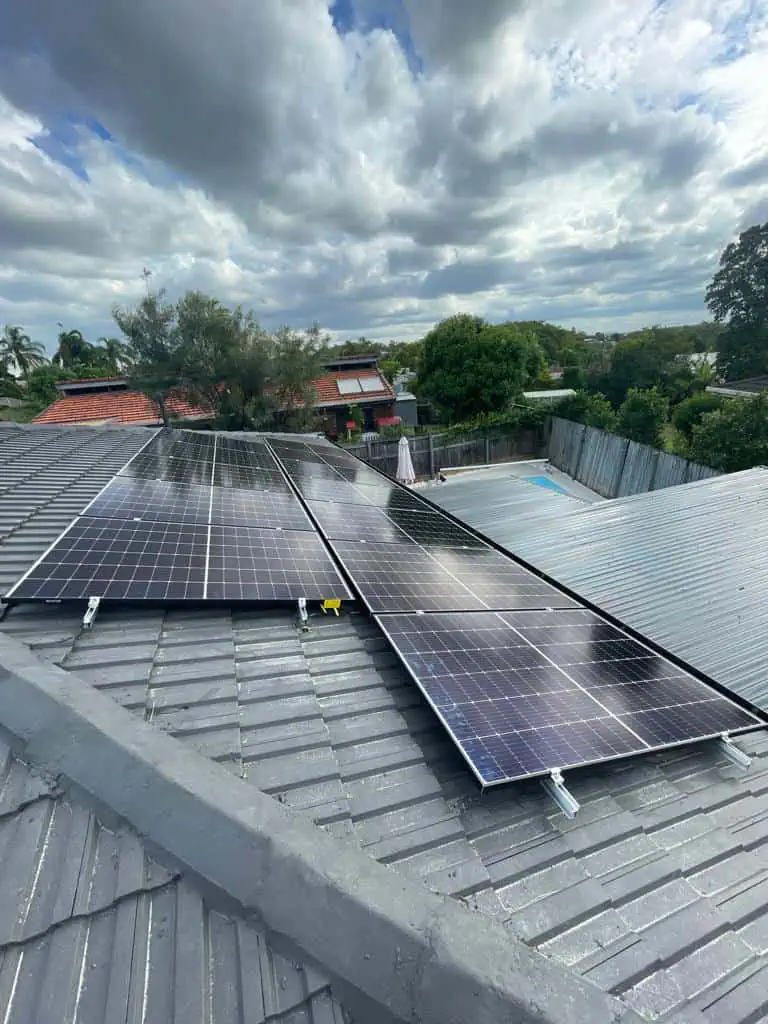
Australia's hospitality industry faces rising electricity costs while striving to deliver exceptional guest experiences. Hotels, resorts, motels, serviced apartments, and holiday parks consume significant amounts of electricity every day to power lighting, air conditioning, kitchens, laundries, swimming pools, elevators, and recreational facilities.
Commercial solar panel installation offers a practical solution for hospitality businesses looking to reduce operating expenses, improve energy efficiency, and meet sustainability goals. With Australia's abundant sunshine, investing in solar energy can provide long-term financial and environmental benefits while enhancing a property's reputation as an eco-conscious destination.
Why Hotels Are Ideal for Commercial Solar Systems
Hotels operate around the clock, making electricity one of their largest operational expenses. Many energy-intensive systems, including air conditioning, kitchen equipment, and laundry facilities, run throughout the day when solar panels generate the most electricity.
Large rooftop areas, car park structures, and open spaces also provide excellent opportunities for installing commercial solar systems.
Some key advantages include:
- Significant reductions in electricity bills
- Better control over operating costs
- Lower carbon emissions
- Improved business sustainability
- Increased return on investment
- Enhanced brand image among environmentally conscious guests
Understanding Your Hotel's Energy Usage
Before installing a commercial solar system, it is essential to understand how and when your property consumes electricity.
An energy assessment typically identifies:
- Average daily electricity consumption
- Peak demand periods
- Seasonal energy fluctuations
- Equipment with the highest energy usage
- Opportunities for improving efficiency before installation
This information helps determine the ideal solar system size for maximum energy savings.
Choosing the Right Solar System Size
Every hospitality business has different energy requirements. A boutique hotel may require a much smaller system than a luxury resort with restaurants, conference facilities, and multiple swimming pools.
Factors influencing system size include:
- Number of guest rooms
- Restaurant and kitchen operations
- Laundry services
- Air conditioning requirements
- Swimming pools and spa facilities
- Conference and event spaces
- Future expansion plans
A properly designed system ensures optimal performance without oversizing or undersizing the installation.
Maximising Roof Space for Solar Panels
Commercial hotels often have extensive roof areas suitable for solar panel installation. However, proper planning ensures maximum energy generation.
Important considerations include:
Roof Orientation
Solar panels should be positioned to capture maximum sunlight throughout the day for optimal energy production.
Structural Assessment
The building's roof must be capable of supporting the additional weight of solar panels and mounting systems.
Shading Analysis
Nearby buildings, trees, ventilation equipment, and rooftop structures should be evaluated to minimise shading that can reduce system efficiency.
Battery Storage for Greater Energy Independence
Many hotels continue consuming electricity during the evening when guest occupancy is highest. Integrating battery storage allows excess daytime solar energy to be stored and used later.
Battery systems can help:
- Reduce reliance on grid electricity
- Improve energy security
- Provide backup power during outages
- Lower evening electricity costs
This is especially valuable for hospitality businesses operating 24 hours a day.
Solar Power for Hotel Facilities
Commercial solar installations can support nearly every department within a hospitality business.
Guest Accommodation
Solar energy helps power:
- Air conditioning
- Lighting
- Television systems
- Water heating
- Guest amenities
Commercial Kitchens
Restaurants and hotel kitchens use substantial electricity for refrigeration, cooking equipment, ventilation, and food preparation.
Solar energy offsets much of this daytime consumption.
Laundry Operations
Hotels process large volumes of towels, bedding, and uniforms every day.
Solar electricity helps reduce operating costs for:
- Washing machines
- Dryers
- Ironing equipment
- Water heating systems
Swimming Pools and Recreational Facilities
Pools, spas, gyms, and wellness centres require continuous electricity for pumps, heating, filtration systems, and lighting.
Commercial solar systems help lower the energy costs associated with these facilities.
Reducing Operating Costs Over the Long Term
Electricity prices continue to fluctuate, making budgeting difficult for hospitality businesses.
Commercial solar installations provide predictable energy savings by allowing hotels to generate much of their own electricity on-site. Over time, these savings can significantly improve profitability while reducing exposure to future energy price increases.
Supporting Sustainable Tourism
Modern travellers increasingly consider environmental responsibility when selecting accommodation.
Hotels powered by renewable energy can strengthen their sustainability initiatives by:
- Reducing greenhouse gas emissions
- Lowering dependence on fossil fuels
- Demonstrating environmental leadership
- Supporting corporate sustainability commitments
These initiatives can also enhance marketing efforts and appeal to environmentally conscious guests and corporate clients.
Maintenance Requirements
Commercial solar systems require relatively little maintenance to maintain peak performance.
Routine maintenance typically includes:
- Cleaning solar panels
- Inspecting electrical connections
- Monitoring system performance
- Checking inverters
- Preventive inspections by qualified technicians
Regular servicing helps maximise energy production and extends the lifespan of the system.
Financial Benefits of Commercial Solar Installation
Investing in solar energy offers several long-term financial advantages for hospitality businesses, including:
- Lower electricity bills
- Reduced operating expenses
- Improved cash flow
- Protection against rising energy prices
- Increased property value
- Strong return on investment over the system's lifetime
For many Australian hotels, these savings can be substantial over the life of the solar installation.
Selecting an Experienced Commercial Solar Installer
Choosing the right installation partner is essential for achieving the best results.
Look for a provider that offers:
- Experience with commercial hospitality projects
- Custom system design
- High-quality solar panels and inverters
- Professional installation
- Ongoing maintenance and monitoring
- Compliance with Australian standards and regulations
An experienced installer will ensure the system is designed specifically for your property's operational needs and long-term energy goals.
Conclusion
Planning a commercial solar panel installation is a strategic investment for hotels and hospitality businesses across Australia. By carefully assessing energy consumption, selecting the right system size, and partnering with experienced solar professionals, businesses can significantly reduce electricity costs while improving operational efficiency.
How Australian Warehouses and Factories Save with Commercial Solar Installation
Cheap Solar vs Premium Solar: Warranty, Output, and Maintenance Differences

 Arabic
 French
 Spanish
 Portuguese
 Deutsch
 Turkish
 Dutch
Dutch
 Italiano
 Russian
 Romaian
 Portuguese (Brazil)
 Greek
Greek