
Can Bipolar Disorder Be Treated Without Medication?
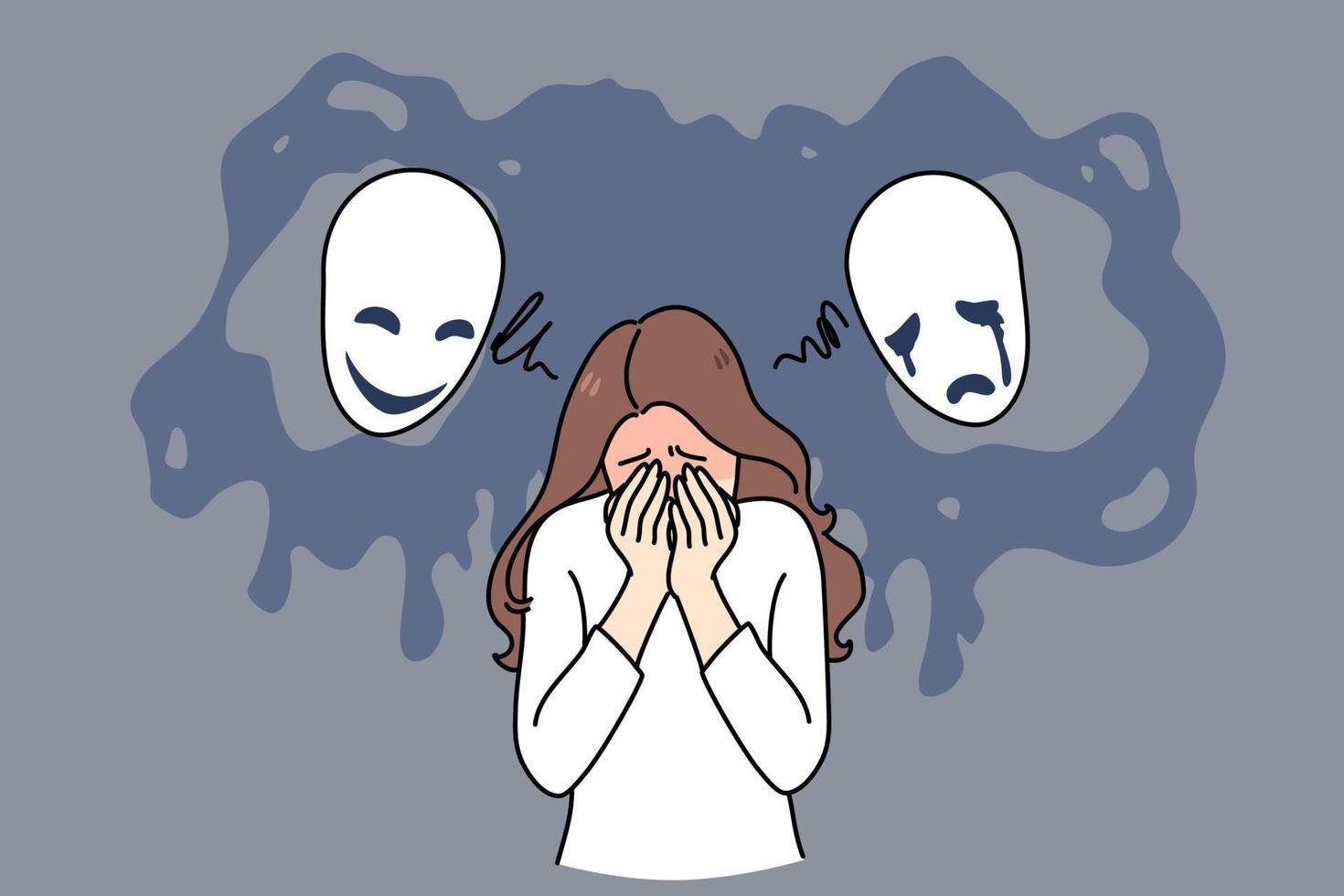
Living with bipolar disorder can feel like an emotional roller coaster. Some days bring incredible energy, motivation, and confidence, while others feel heavy with sadness, exhaustion, and hopelessness. When these mood changes begin affecting relationships, work, sleep, and everyday life, finding the right treatment becomes essential.
One common question among individuals and families is whether bipolar disorder can be treated without medication. Concerns about side effects, long-term prescriptions, and emotional dependence on medication often make people explore alternative approaches. Although lifestyle changes and psychotherapy can significantly support emotional well-being, bipolar disorder is a complex mental health condition that often requires professional medical care.
Understanding available treatment options can help individuals make informed decisions and take meaningful steps toward a more balanced life.
Understanding Bipolar Disorder and Its Challenges
Bipolar disorder is a mental health condition characterized by significant changes in mood, energy, activity levels, and behavior. These changes generally involve episodes of mania or hypomania and depression.
During manic episodes, individuals may experience unusually high energy, reduced need for sleep, racing thoughts, impulsive decisions, and increased activity. Depressive episodes can bring persistent sadness, low motivation, difficulty concentrating, feelings of worthlessness, and loss of interest in previously enjoyable activities.
These emotional shifts can feel confusing and overwhelming, especially when they interfere with personal and professional responsibilities.
Recognizing these symptoms is the first step toward finding appropriate bipolar disorder treatment. Early professional support can help reduce the impact of mood episodes and improve long-term stability.
Can Bipolar Disorder Be Managed Without Medication?
The honest answer is that bipolar disorder can be supported through non-medication approaches, but treating it entirely without medication is not generally recommended.
Unlike temporary emotional stress, bipolar disorder involves changes in mood regulation that may require ongoing psychiatric treatment. Medication is often an important part of managing manic, depressive, or mixed episodes and reducing the likelihood of recurrence.
However, medication is not the only component of effective care.
Psychotherapy, healthy lifestyle habits, stress management, and consistent sleep routines can make a meaningful difference. For some individuals, these approaches improve emotional regulation and help manage everyday challenges.
The important thing is understanding that non-medication strategies generally work best alongside an individualized treatment plan rather than replacing prescribed medication without medical guidance.
1. Psychotherapy: Understanding Emotions and Building Control
Sometimes, understanding emotions can be the beginning of meaningful change.
Psychotherapy helps individuals recognize mood patterns, identify emotional triggers, and develop healthier responses to difficult situations. Cognitive Behavioral Therapy (CBT) is one commonly used approach that helps people recognize unhelpful thought patterns and develop practical coping strategies.
Other therapeutic approaches include:
- Interpersonal and Social Rhythm Therapy (IPSRT): Helps establish consistent daily routines and improve relationship-related stress management.
- Family-Focused Therapy: Encourages family members to understand bipolar disorder and provide supportive communication.
- Psychoeducation: Helps individuals recognize early warning signs of mood episodes and understand their condition.
- Dialectical Behavior Therapy (DBT) techniques: Can support emotional regulation, distress tolerance, and interpersonal skills.
Working with a qualified therapist for bipolar near me can help individuals access structured support that addresses their emotional and behavioral needs.
2. Maintaining a Consistent Sleep Schedule
A peaceful night of sleep can make a significant difference in emotional well-being.
Sleep disturbances are closely associated with bipolar mood episodes. Irregular sleep patterns, sleep deprivation, and disrupted daily routines can contribute to mood instability.
Developing healthy sleep habits may help support emotional balance.
Helpful practices include:
- Going to bed and waking up at consistent times.
- Avoiding excessive caffeine, particularly later in the day.
- Limiting screen exposure before bedtime.
- Creating a calm and comfortable sleeping environment.
- Avoiding unnecessary changes to daily routines.
Although better sleep cannot cure bipolar disorder, maintaining regular sleep patterns can become an important part of comprehensive care.
3. Healthy Nutrition and Regular Physical Activity
Small lifestyle improvements can create meaningful changes over time.
A balanced diet supports overall physical and mental health. Regular meals containing vegetables, fruits, whole grains, lean proteins, and healthy fats can help maintain consistent energy levels.
Physical activity also plays a valuable role in mental well-being. Walking, swimming, yoga, and other moderate exercises may help reduce stress, improve sleep quality, and support emotional health.
However, individuals experiencing mania should avoid excessive exercise and overstimulation. Physical activity should remain balanced and appropriate to their current symptoms.
These habits are supportive tools, not substitutes for professional bipolar mood disorder treatment.
4. Stress Management and Emotional Awareness
Stress can make existing emotional difficulties harder to manage.
For individuals living with bipolar disorder, identifying personal stress triggers can help prevent unnecessary emotional strain. Mindfulness, breathing exercises, journaling, and relaxation techniques may improve awareness of emotional changes.
Keeping a mood journal can also help individuals identify patterns involving sleep, energy, stress, and daily activities.
Recognizing early warning signs matters. Changes in sleep, increased irritability, racing thoughts, or persistent sadness may indicate the need for additional professional support.
Having a clear plan for responding to these changes can make difficult periods feel less overwhelming.
5. Why Professional Psychiatric Support Still Matters
Choosing to explore medication-free approaches does not mean avoiding psychiatric care.
Bipolar disorder can involve serious depressive and manic episodes, and untreated symptoms may affect safety, relationships, and everyday functioning. Professional assessment helps determine which treatment options are appropriate for an individual's symptoms and medical history.
A psychiatrist for bipolar depression can evaluate depressive episodes, discuss available treatment approaches, and monitor changes in mental health.
Similarly, a bipolar psychiatrist near me can provide ongoing assessments and help develop an individualized care plan.
For individuals prescribed medication, mental health medication management is particularly important. Regular monitoring helps evaluate treatment effectiveness, address side effects, and make appropriate adjustments under medical supervision.
Medication should never be stopped or changed suddenly without consulting the prescribing professional.
When Is It Time to Seek Professional Help?
Waiting for emotional difficulties to become unbearable can make recovery more challenging.
Professional support is especially important when mood changes interfere with daily responsibilities, relationships, sleep, or personal safety.
Seek timely psychiatric evaluation if symptoms include persistent depression, unusually elevated energy, risky behavior, severe sleep disruption, or rapidly changing moods.
Suicidal thoughts, psychosis, or severe manic symptoms require urgent professional attention.
Early intervention can help individuals understand their symptoms and access appropriate care before difficulties become more serious.
Final Thoughts: Finding a Treatment Approach That Works
Can bipolar disorder be treated without medication? Non-medication approaches such as psychotherapy, regular sleep, physical activity, stress management, and emotional awareness can provide valuable support. However, they are not reliable replacements for medication when medication is clinically indicated. The most effective approach often combines psychiatric care with healthy lifestyle habits and ongoing therapeutic support.
Living with bipolar disorder does not mean losing the possibility of a fulfilling, meaningful life. With the right guidance, consistent support, and an individualized treatment plan, emotional stability becomes a more achievable goal. Emotiva Healthcare can be a starting point for individuals seeking professional mental health guidance. Take the first step toward better emotional well-being by connecting with a qualified mental health professional and exploring treatment options that support long-term stability.

 Arabic
 French
 Spanish
 Portuguese
 Deutsch
 Turkish
 Dutch
 Italiano
 Russian
 Romaian
 Portuguese (Brazil)
 Greek