
How to Use Vinyl Stickers for Custom Boxes and Retail Packaging

Vinyl stickers add durable branding to custom boxes and retail packaging. Explore types, benefits, applications, and tips for choosing the right stickers.
Packaging is often the first physical interaction customers have with a product. Before they explore what is inside, they notice the box, its colors, design, labels, and overall presentation. Businesses can use these details to create a memorable first impression and communicate their brand identity. One simple and versatile way to achieve this is by using vinyl stickers.
Vinyl stickers offer a practical solution for businesses that want to customize product packaging without investing in fully printed boxes for every design. They can be applied to cardboard boxes, mailer boxes, retail packaging, and other packaging materials. Available in different shapes, finishes, and sizes, these stickers help businesses display logos, product information, promotional messages, and decorative elements.
Whether you run an e-commerce store, retail shop, cosmetics brand, or food business, understanding how to use vinyl stickers can help improve your packaging presentation. This guide explores their types, benefits, applications, and how to choose the right options for your business.
What Are Vinyl Stickers?
Vinyl stickers are adhesive labels made from synthetic plastic material, typically PVC (polyvinyl chloride). Unlike many paper stickers, custom vinyl stickers are designed to offer greater flexibility and resistance to moisture, making them suitable for a variety of indoor and outdoor applications.
They are available in different thicknesses, colors, shapes, and finishes. Businesses can customize them with logos, illustrations, product details, barcodes, or promotional messages. Their adhesive backing allows them to be applied to suitable surfaces, including cardboard, plastic, glass, and metal.
Vinyl stickers are commonly used for:
-
Product labels and branding.
-
Custom cardboard box decoration.
-
Shipping and mailer box identification.
-
Promotional packaging.
-
Retail product labeling.
-
Logo placement and brand messaging.
Their versatility makes them useful for both small businesses and established brands looking for flexible packaging customization.
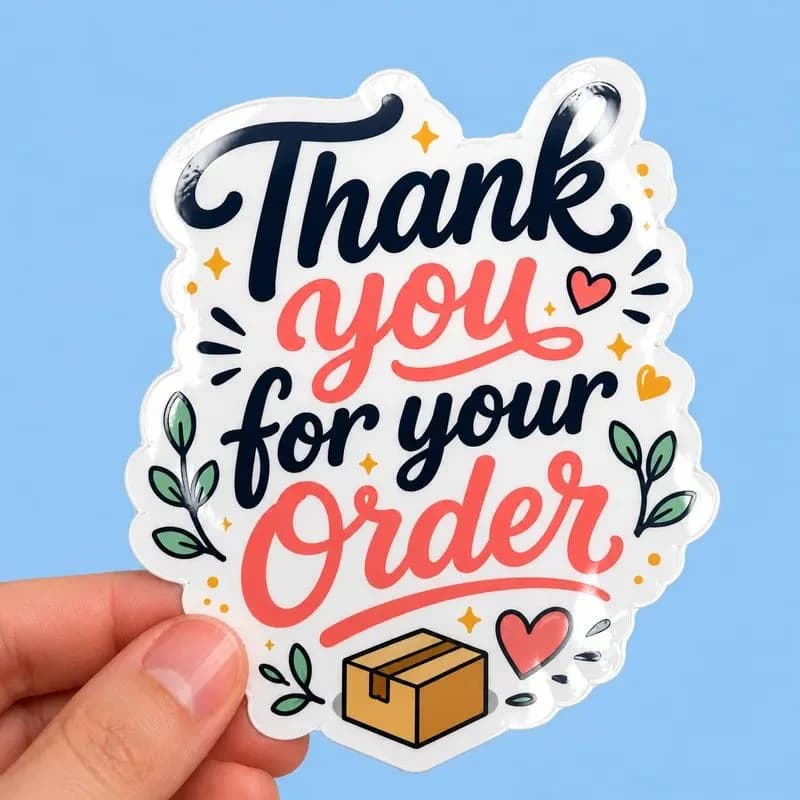
Why Vinyl Stickers Are Popular in Product Packaging
Vinyl stickers have become a popular packaging option because they provide businesses with an easy way to customize their products. Instead of printing a separate design directly onto every box, companies can use stickers to add branding and product information to existing packaging.
One major advantage is design flexibility. Businesses can order stickers in different shapes and sizes to match their packaging requirements. They can also update designs when launching seasonal collections, introducing new products, or running promotional campaigns.
Another benefit is their suitability for smaller packaging projects. A business testing a new product may not want to order a large quantity of fully printed boxes. Stickers can provide an alternative for adding logos and other design elements to plain packaging.
Other reasons businesses use vinyl stickers include:
-
Brand customization: Add logos, brand colors, and promotional messages to packaging.
-
Design flexibility: Create different sticker designs for product variations or campaigns.
-
Moisture resistance: Many vinyl options resist water and light splashes.
-
Versatile applications: Use them on boxes, jars, bottles, bags, and other compatible surfaces.
-
Professional appearance: Choose finishes that complement the overall packaging design.
However, the performance of a vinyl sticker depends on its material, adhesive, printing quality, and intended application.
Different Types of Vinyl Stickers for Packaging
Choosing the right type of vinyl sticker depends on the packaging material, brand identity, and desired appearance. Different finishes create different visual effects, so businesses should consider how each option will look on the final package.
Glossy Vinyl Stickers
Glossy vinyl stickers have a shiny surface that reflects light and makes colors appear vibrant. They are useful for colorful product labels, promotional packaging, and designs that need to attract attention.
Matte Vinyl Stickers
Matte vinyl stickers have a smooth, non-reflective finish. They create a more subtle appearance and can complement minimalist, luxury, or professional packaging designs.
Clear Vinyl Stickers
Clear vinyl stickers have a transparent background, allowing the packaging material underneath to remain visible. They work well when businesses want to display a logo or design without covering the entire box surface.
White Vinyl Stickers
White vinyl stickers provide a solid background for printed designs. They are suitable for colorful logos, product information, and labels that need strong contrast.
Die-Cut Vinyl Stickers
Die-cut stickers are cut around the exact shape of the artwork rather than being limited to a standard square or circle. Businesses can use custom-shaped logos, illustrations, and brand symbols to create distinctive packaging details.
Vinyl Stickers for Custom Cardboard Boxes
Custom cardboard boxes provide a protective and presentable structure for many products. Vinyl stickers can add another layer of customization by displaying branding, product details, or decorative elements on the box.
For example, an e-commerce business may use plain cardboard mailer boxes and apply a branded vinyl sticker to the top. A cosmetics company might place a product label on a small retail box, while a clothing brand could use a logo sticker to seal tissue paper inside its packaging.
Vinyl stickers can be applied to several box areas, including:
-
The top panel for prominent logo placement.
-
Side panels for product information or brand messaging.
-
Box flaps for decorative seals.
-
Inner packaging for thank-you messages.
-
The bottom panel for additional product details.
Before applying stickers, businesses should check whether the adhesive is compatible with the box surface. Textured, dusty, or heavily coated cardboard may affect adhesion. Testing a sample first can help prevent peeling and uneven application.
Waterproof and Durable Vinyl Sticker Applications
One reason businesses choose vinyl stickers over ordinary paper labels is their potential to resist moisture and everyday handling. Many vinyl materials are water-resistant, making them useful for packaging that may encounter light splashes or humid conditions.
For example, a beverage brand may use suitable vinyl labels on bottles, while a skincare company may choose them for product containers stored in bathrooms. Retail businesses can also use vinyl stickers on packaging that customers handle frequently.
Some vinyl stickers include protective laminate coatings that help reduce scratches, fading, and surface wear. These coatings can improve durability, although the actual performance depends on the material and manufacturing process.
It is important to understand that not every vinyl sticker is waterproof. The adhesive, ink, laminate, and application surface all influence its resistance to moisture. Businesses should confirm product specifications and test stickers under expected storage and handling conditions before using them for demanding applications.
How Vinyl Stickers Improve Brand Recognition
Consistent branding helps customers recognize products across different sales channels. Vinyl stickers provide an affordable and flexible way to repeat important brand elements across packaging.
A recognizable logo, consistent color scheme, and clear typography can make packaging easier to associate with a particular business. When customers repeatedly see the same visual elements on boxes, containers, and product labels, those elements can become familiar over time.
Businesses can use vinyl stickers to strengthen branding in several ways:
Display a recognizable logo: Place the company logo on the most visible area of the packaging.
Maintain consistent colors: Use sticker colors that match the brand's website, product labels, and other marketing materials.
Include a short brand message: Add a tagline, product benefit, or brief statement that communicates the brand's identity.
Personalize customer orders: Use thank-you stickers or branded seals to make packages feel more personal.
Support seasonal campaigns: Create limited-edition sticker designs for holidays, product launches, or special promotions.
The key is consistency. Using too many unrelated designs can make packaging look crowded and weaken brand recognition.
Vinyl Stickers vs. Direct Printing on Custom Boxes
Both vinyl stickers and direct printing can customize packaging, but each method serves different business needs. The right choice depends on order quantity, design requirements, budget, and how frequently packaging artwork changes.
| Feature | Vinyl Stickers | Direct Box Printing |
|---|---|---|
| Design flexibility | Easy to update sticker designs | Changes may require new print production |
| Application | Applied to compatible finished surfaces | Printed directly onto the box |
| Branding | Suitable for logos and smaller design areas | Suitable for larger and integrated designs |
| Order planning | Useful for adding branding to existing boxes | Often suited to planned custom box orders |
| Appearance | Can add a separate decorative layer | Creates a more integrated packaging design |
| Customization | Available in various shapes and finishes | Offers different printing and finishing options |
Vinyl stickers are useful when a business needs flexible branding, wants to label plain boxes, or frequently changes product information. Direct printing may be more appropriate when the design covers a large portion of the box or when a consistent printed appearance is important.
Some businesses combine both methods. For example, they may order custom-printed cardboard boxes and use stickers for limited-edition messages, product variations, or promotional campaigns.
Creative Ways to Use Vinyl Stickers for Retail Packaging
Vinyl stickers can serve more than one purpose. With thoughtful placement, they can make retail packaging more attractive while also providing useful information.
Here are some practical ideas:
-
Logo stickers: Add a recognizable brand mark to plain or printed boxes.
-
Packaging seals: Place stickers across box openings or tissue paper to create a neat finishing detail.
-
Product labels: Display product names, sizes, colors, or other relevant information.
-
Promotional stickers: Highlight seasonal offers, new collections, or limited-edition products.
-
Thank-you stickers: Add a short appreciation message to e-commerce orders.
-
QR code stickers: Direct customers to a website, product guide, or digital instructions.
-
Decorative stickers: Use custom illustrations or patterns to support the product's visual theme.
Businesses should make sure that important information remains readable and that stickers do not cover required product details, safety information, or shipping labels.
Choosing the Right Vinyl Stickers for Your Business
Selecting vinyl stickers requires more than choosing an attractive design. Businesses should consider the packaging surface, intended use, environmental conditions, and branding requirements.
Consider the Application Surface
Check whether the sticker will be applied to cardboard, coated paperboard, plastic, glass, or another material. Different surfaces may require different adhesive strengths. A sample application can help confirm that the sticker stays in place.
Select an Appropriate Finish
Choose glossy finishes when you want a bright, reflective appearance. Matte finishes may be better for understated branding, while clear stickers can create a subtle look on compatible surfaces.
Choose the Correct Size and Shape
The sticker should fit the available packaging area without making the design look crowded. A large logo may work on a mailer box, while a small product label may be more suitable for compact retail packaging.
Check Printing Quality
Make sure the artwork is high-resolution and that text, logos, and colors appear clear. Review a sample before ordering a large quantity.
Consider Durability Requirements
If packaging may encounter moisture, friction, or frequent handling, check the vinyl material, adhesive, and protective coating specifications. Do not assume every vinyl sticker offers the same level of protection.
Match Stickers With Your Packaging
The sticker design should complement the box material, colors, and overall brand identity. A consistent visual approach helps create a more professional presentation.
Benefits of Combining Custom Boxes and Vinyl Stickers
Combining custom boxes with vinyl stickers gives businesses more options for creating distinctive packaging. Boxes provide the structure and space needed to protect and present products, while stickers add flexible branding and decorative details.
This combination can be particularly useful for businesses that sell multiple product variations. They can use the same basic box design and apply different stickers to identify product types, colors, sizes, or seasonal collections.
Other benefits include:
-
Flexible product identification: Use different stickers for different product variations.
-
Consistent packaging: Maintain a recognizable box style across product lines.
-
Promotional flexibility: Update campaigns without redesigning every box.
-
Additional branding space: Display logos, messages, or QR codes on selected areas.
-
Creative presentation: Combine box colors, finishes, and sticker designs to create a distinctive appearance.
Businesses looking for tailored packaging can explore custom packaging boxes and choose box styles that suit their product dimensions, branding, and presentation requirements. The right combination of box structure and sticker design can help create packaging that looks cohesive and serves practical business needs.
Frequently Asked Questions About Vinyl Stickers
1. Are vinyl stickers good for product packaging?
Yes. Vinyl stickers are useful for product packaging because they can display logos, product information, promotional messages, and decorative designs. They are available in different shapes and finishes, making them suitable for many packaging applications.
2. Are vinyl stickers waterproof?
Many vinyl stickers are water-resistant, but not all are completely waterproof. Their moisture resistance depends on the vinyl material, adhesive, ink, and protective coating. Businesses should check product specifications before using them in wet environments.
3. Can you put vinyl stickers on cardboard boxes?
Yes. Vinyl stickers can be applied to many cardboard boxes, including mailer boxes and retail packaging. However, the cardboard surface should be clean and suitable for the adhesive. Testing a sample is recommended, especially on textured or coated surfaces.
4. Are vinyl stickers better than paper stickers?
Vinyl stickers generally offer better moisture resistance and flexibility than ordinary paper stickers. Paper stickers may be suitable for dry indoor applications and certain budget-conscious packaging projects. The better option depends on the intended use, appearance, and durability requirements.
5. Can vinyl stickers improve product branding?
Yes. Vinyl stickers can help businesses display consistent logos, colors, taglines, and promotional messages across their packaging. Repeating these visual elements can make products more recognizable and create a consistent brand presentation.
6. Can vinyl stickers be used on retail packaging?
Yes. They can be used on retail boxes, product containers, gift packaging, and other compatible surfaces. Businesses often use them for branding, product identification, decorative details, and promotional campaigns.
7. Should I choose matte or glossy vinyl stickers?
The choice depends on your packaging style. Glossy stickers create a shiny, vibrant appearance, while matte stickers offer a softer, non-reflective finish. Consider your brand identity and the appearance of the packaging before selecting a finish.
Conclusion
Vinyl stickers provide businesses with a flexible way to customize product packaging, communicate brand identity, and add useful information to boxes and containers. From logo placement and product labels to promotional designs and packaging seals, they offer several creative applications for retail and e-commerce businesses.
Choosing the right sticker involves considering the material, adhesive, finish, size, printing quality, and packaging surface. Businesses can also combine vinyl stickers with custom cardboard boxes to create consistent packaging while maintaining flexibility for product variations and seasonal campaigns.
With thoughtful design and suitable materials, vinyl stickers can become a practical part of a packaging strategy that supports product presentation and brand recognition.

 English
 Arabic
 French
 Spanish
 Portuguese
 Deutsch
 Turkish
 Dutch
 Italiano
 Russian
 Romaian
 Greek