
Jiu Jitsu Uniform Trends: What BJJ Athletes Are Wearing
1. Introduction: The Evolution of Brazilian Jiu-Jitsu Uniforms
Brazilian Jiu-Jitsu has grown into one of the most popular grappling sports worldwide. As more athletes join academies, participate in competitions, and develop their personal training styles, the demand for comfortable, durable, and stylish uniforms continues to increase. The traditional BJJ gi remains an essential part of the sport, but modern designs now offer more choices in fabric weight, weaving patterns, colors, cuts, and customization. Today's athletes want uniforms that not only meet their training requirements but also reflect their individual preferences. Some prefer lightweight gis for everyday practice, while others choose heavier materials for a more substantial feel. Manufacturers are responding to these changing expectations by developing products that combine functionality, comfort, and appearance. Understanding current Jiu Jitsu uniform trends can help beginners, experienced practitioners, academy owners, and retailers make better purchasing decisions while keeping up with developments in the global Brazilian Jiu-Jitsu community.
2. Lightweight BJJ Gis Are Becoming Popular
One noticeable trend in Brazilian Jiu-Jitsu is the growing interest in lightweight uniforms. Many athletes prefer lighter materials because they can feel more comfortable during long training sessions, especially in warmer environments. Lightweight gis can also be easier to pack and carry for practitioners who travel regularly for competitions, seminars, or training camps. However, choosing a lightweight uniform does not mean ignoring durability. Fabric construction, stitching quality, collar design, and reinforced areas all influence how well a gi performs during grappling. Athletes should compare these features instead of judging a uniform by weight alone. For practitioners interested in lighter fabric options, the BJJ Uniform – 350 GSM collection offers an option worth exploring. A 350 GSM fabric provides a lighter construction than many heavyweight alternatives, although the overall performance also depends on the material and manufacturing process. Selecting the right balance between weight and durability can make everyday training more comfortable.
3. Heavyweight BJJ Uniforms Remain a Strong Choice
Although lightweight gis are attracting attention, heavyweight BJJ uniforms continue to have an important place in the martial arts market. Many practitioners appreciate the substantial feel of heavier fabrics and prefer their construction for regular grappling sessions. Heavyweight uniforms can offer a different training experience because their fabric has more weight and structure. However, a higher GSM does not automatically guarantee better quality or longer life. The weave, fiber composition, stitching, reinforcement, and overall manufacturing standards also matter. Athletes who prefer heavier fabric should compare these specifications before purchasing. Heavyweight options may appeal to experienced practitioners, athletes who enjoy a more traditional uniform feel, and buyers looking for different fabric choices. Comfort is equally important, particularly during extended training sessions. A suitable uniform should allow the practitioner to move naturally while providing construction appropriate for repeated gripping and pulling. The growing availability of different fabric weights gives BJJ athletes more freedom to choose equipment according to their individual training preferences.
4. Pearl Weave and Other Fabric Styles
Fabric weaving patterns are another important part of modern BJJ uniform design. Pearl weave is widely recognized in Brazilian Jiu-Jitsu because it offers a distinctive texture and construction commonly used in gi jackets. Other fabric options and weaving styles may also be available depending on the manufacturer and product range. Each construction can provide a different balance of weight, texture, flexibility, and feel. Athletes should understand that fabric weight and weave are not the same thing. GSM measures the weight of fabric per square metre, while the weave describes how the threads are structured. Both factors can influence the final uniform. Before purchasing a gi, examine the fabric specifications and consider how the uniform will feel during regular training. A well-selected fabric should suit the athlete's preferences while providing sufficient construction for grappling activities. As manufacturers continue to develop new materials and combinations, BJJ practitioners have more opportunities to find uniforms that match their comfort and performance expectations.
5. Traditional Colors and Modern BJJ Fashion
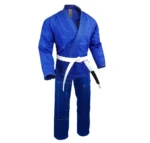
Color remains one of the most recognizable features of Brazilian Jiu-Jitsu uniforms. White, blue, and black gis continue to be widely used in academies and competitions, although some athletes also enjoy exploring additional colors where their academy and competition rules permit them. Traditional colors offer a clean and professional appearance, while different design details can help athletes express their personalities. Contrast stitching, embroidered logos, patches, and subtle branding are common ways to create a distinctive look without changing the traditional character of a gi. Beginners should always check their academy's uniform policy before choosing unusual colors or designs. Competition athletes should also review the applicable event rules because approved uniform colors and specifications may vary between organizations. The modern BJJ uniform market provides plenty of options, but functionality should remain the priority. A good-looking gi is valuable, but it should also provide suitable fit, comfort, and durability for the demands of grappling.
6. The Importance of Proper Fit and Comfortable Design
A well-fitting BJJ uniform is essential for comfortable training. A gi that is too tight may restrict movement, while an oversized uniform can create unnecessary fabric that interferes with grappling techniques. Proper sizing allows athletes to move through guard positions, transitions, takedowns, and other techniques without constant adjustments. BJJ uniforms generally come in different adult and youth sizes, and manufacturers may use different sizing systems. This makes checking the individual size chart particularly important before ordering. Athletes should also consider fabric shrinkage, especially when purchasing cotton uniforms. Some fabrics may shrink after washing, depending on their composition and care instructions. A comfortable uniform should provide sufficient room for natural movement while maintaining a secure and practical fit. For online purchases, reviewing measurements and asking the supplier about sizing recommendations can reduce the chances of selecting the wrong size. Fit is not simply a fashion detail; it is an important part of an athlete's overall training experience.
7. BJJ Belts Continue to Represent Progress and Achievement
BJJ belts are among the most meaningful elements of Brazilian Jiu-Jitsu culture. They represent an athlete's development, dedication, experience, and progression through the ranking system. Unlike ordinary sports accessories, a belt carries significant personal and symbolic value for practitioners. Traditional belt colors include white, blue, purple, brown, and black for adult practitioners, with additional ranking systems and age-specific requirements for younger students. Belt construction is also important because athletes need a product that can withstand frequent tying, pulling, and washing. Fabric quality, stitching, length, and color consistency should all be considered when selecting a belt. Practitioners and academy owners looking for suitable options can explore BJJ Belts. Choosing the correct belt length helps create a secure and comfortable fit during practice. Although belts are available in different designs and finishes, their traditional meaning remains central to the identity and culture of Brazilian Jiu-Jitsu.
8. Customized BJJ Gis for Personal Branding
Customization has become an increasingly attractive option for athletes, academies, and martial arts businesses. Many practitioners enjoy wearing uniforms that reflect their identity through embroidered names, academy logos, patches, and unique design elements. Customization can also help martial arts schools create a consistent appearance among students and instructors. For retailers and private-label brands, personalized products provide an opportunity to develop collections that stand apart from standard market offerings. Modern manufacturing services can support different requirements, including logo placement, embroidery, labels, color combinations, and custom packaging. However, buyers should carefully confirm artwork, measurements, fabric specifications, and sample approvals before beginning bulk production. A good customized uniform should maintain the practical qualities expected from regular BJJ apparel. Decorative elements should not compromise comfort, flexibility, or construction. As more academies and businesses develop their own identities, customized BJJ uniforms are becoming an important part of the wider martial arts apparel market.
9. Durable Stitching and Reinforced Construction
BJJ training involves repeated gripping, pulling, twisting, and physical contact, which places considerable stress on a uniform. This is why construction quality is one of the most important considerations when purchasing a gi. Reinforced stitching, strong seams, suitable collar construction, and durable fabric can contribute to a uniform's ability to withstand regular practice. Areas around the shoulders, sleeves, jacket openings, and trousers may experience considerable stress during grappling. Athletes should examine these areas when comparing different products. A uniform with attractive colors and modern styling may look appealing, but its construction should always be evaluated before purchase. Proper washing and storage also play an important role in maintaining fabric and stitching. Following the manufacturer's care instructions can help reduce unnecessary wear and preserve the appearance of the gi. For athletes who train several times per week, investing in a well-constructed uniform can provide better long-term value than choosing a product based only on its initial price.
10. Sustainable Materials and Responsible Manufacturing
Environmental awareness is becoming an increasingly important topic in the sportswear and martial arts apparel industry. Some customers are paying more attention to material sourcing, manufacturing practices, packaging, and product longevity when choosing their uniforms. Durable clothing can support more responsible purchasing habits because products that remain useful for longer may need to be replaced less frequently. Manufacturers can also explore improvements in material selection, production efficiency, and packaging to reduce unnecessary waste. However, buyers should look for specific and verifiable information before assuming that a product is environmentally friendly. Terms such as sustainable, eco-friendly, and responsibly manufactured should be supported by meaningful product or production details. For BJJ athletes, a practical starting point is choosing suitable materials, caring for uniforms properly, and avoiding unnecessary replacements. As customer expectations continue to evolve, responsible manufacturing and long-lasting product design may become increasingly important factors in the global martial arts clothing market.
11. Wholesale BJJ Uniforms for Academies and Retailers
The growth of Brazilian Jiu-Jitsu has created opportunities for martial arts retailers, distributors, academies, and private-label businesses. These organizations often require uniforms in multiple sizes, fabric weights, and colors to serve different customers. Wholesale purchasing can help businesses organize their inventory and establish a consistent product range. Working directly with a manufacturer may also provide opportunities to discuss custom branding, product specifications, and packaging requirements. Elite Fight Wears focuses on martial arts uniforms and fightwear manufacturing, with wholesale, OEM, and private-label services for business customers. Before placing a wholesale order, buyers should evaluate minimum quantities, fabric specifications, sample availability, production timelines, quality standards, and shipping arrangements. Clear communication is essential when ordering customized products because even small differences in sizing or branding can affect customer satisfaction. For growing martial arts businesses, developing a relationship with a suitable manufacturing partner can support long-term product planning and help create a recognizable brand identity.
12. Youth BJJ Uniform Trends and Growing Participation
Youth Brazilian Jiu-Jitsu programs are becoming an important part of many martial arts academies. Children and teenagers participate in grappling to develop coordination, discipline, confidence, fitness, and technical skills. This has increased the need for uniforms designed specifically for younger athletes. Youth BJJ gis should provide appropriate sizing, comfortable materials, and construction suitable for regular training. Parents should avoid choosing uniforms that are excessively large in the hope that children will grow into them, because poor fit can interfere with movement. Instead, they should follow the manufacturer's youth size chart and consider the child's current measurements. Durability is also important because young athletes may train several times per week and use their uniforms frequently. Easy-care materials and suitable construction can make maintenance more manageable for families. As youth participation continues to grow, manufacturers have an opportunity to develop more options that combine practical performance, comfortable fits, and appealing designs for younger practitioners.
13. How Athletes Can Maintain Their BJJ Uniforms
Even a high-quality BJJ gi needs proper maintenance to remain comfortable and useful. Because grappling involves close physical contact, washing uniforms after every training session is an important hygiene practice. Athletes should follow the care label, use suitable detergent, and avoid washing at temperatures that may cause unnecessary shrinkage or damage. Turning the gi inside out can help protect some embroidered details and decorative elements. It is also important to dry uniforms thoroughly before storing them. Leaving damp clothing inside a gym bag can create unpleasant odors and encourage microbial growth. Avoid excessive heat unless the manufacturer specifically recommends it, as it may affect fabric fibers and sizing. Inspect the stitching, collar, sleeves, and trousers regularly for signs of wear. Having an additional gi can also be useful for athletes who train frequently because it allows one uniform to dry while another is being used. Consistent maintenance helps preserve appearance, comfort, and overall product condition.
14. Choosing the Right BJJ Uniform for Your Training Style
Selecting the right BJJ uniform requires considering several factors rather than following fashion trends alone. Beginners should first understand their academy's uniform requirements and preferred colors. Next, they should compare fabric weight, weave, sizing, construction, and price. Lightweight gis may suit athletes who prioritize comfort and easier packing, while heavier options may appeal to those who prefer a more substantial fabric feel. Experienced practitioners may also have specific preferences based on their training routines and competition experience. Academy owners and retailers should consider their customers' needs when developing a product collection. Offering different sizes and fabric weights can help serve a wider audience. Before purchasing, always review product specifications and confirm that the uniform meets any applicable competition requirements. The best BJJ gi is not necessarily the most expensive or fashionable one. It is the uniform that offers an appropriate combination of comfort, fit, durability, and functionality for the athlete's individual requirements.
15. Conclusion: The Future of Brazilian Jiu-Jitsu Uniform Trends
Brazilian Jiu-Jitsu uniform trends continue to evolve as athletes look for products that combine traditional designs with modern comfort, construction, and customization. Lightweight fabrics, heavyweight options, different weaving styles, personalized branding, and improved sizing choices are helping create a more diverse market. However, the most important qualities of a good BJJ uniform remain practical: comfortable fit, suitable materials, durable stitching, and construction designed for grappling. Belts also continue to hold their traditional significance, representing the dedication and progression of practitioners. For athletes, choosing the right equipment can make regular training more comfortable and organized. For academies and retailers, working with a manufacturer that understands different product requirements can create opportunities to serve a growing martial arts community. As Brazilian Jiu-Jitsu expands internationally, the demand for versatile and dependable uniforms is likely to remain strong. Staying informed about current trends helps athletes and businesses make smarter decisions when selecting their next BJJ uniform.
Frequently Asked Questions (FAQs)
1. What is the most popular BJJ uniform color?
White, blue, and black are among the most commonly used BJJ gi colors.
2. What does 350 GSM mean in a BJJ uniform?
GSM means grams per square metre and indicates the weight of the fabric.
3. Is a heavyweight BJJ gi better than a lightweight gi?
Not necessarily. The best choice depends on personal comfort, training preferences, construction, and intended use.
4. How often should I wash my BJJ uniform?
Ideally, wash your gi after every training session to maintain hygiene.
5. What are the traditional adult BJJ belt colors?
The traditional adult ranking colors are white, blue, purple, brown, and black.
6. Can BJJ uniforms be customized?
Yes. Depending on the manufacturer, customization may include embroidery, academy logos, patches, and private-label branding.

 English
 Arabic
 French
 Spanish
 Portuguese
 Turkish
 Dutch
 Italiano
 Russian
 Romaian
 Portuguese (Brazil)
 Greek