
Disposable Syringe Suppliers INIMD for Distribution Needs
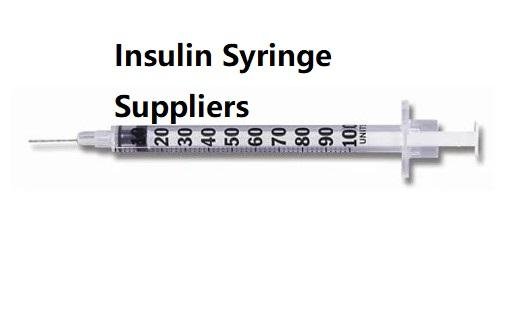
In a healthcare supply chain where product consistency and dependable delivery matter, Disposable Syringe Suppliers help distributors connect medical facilities with essential injection products. By evaluating Disposable Syringe Suppliers through product specifications, manufacturing processes, packaging standards, and communication efficiency, purchasing teams can build a sourcing strategy that supports daily clinical operations while meeting their customers’ requirements.
1. Match Product Specifications With Clinical Needs
Medical facilities use disposable syringes for different procedures, and purchasing requirements can vary according to capacity, connection type, needle configuration, and intended application. Before placing an order, buyers should clarify the specifications required by their target market. Clear product descriptions make it easier to compare available options and reduce misunderstandings during procurement.
Syringe capacity, graduation markings, plunger movement, barrel transparency, and packaging details are all worth reviewing. Buyers should also confirm whether needle and syringe combinations are required or whether separate components better suit their distribution plans. A structured specification checklist helps procurement teams assess products consistently rather than relying on price alone.
2. Review Manufacturing and Quality Procedures
Quality management is a central consideration when sourcing single-use medical products. Buyers should examine the manufacturer's documented quality procedures, material controls, production environment, inspection methods, and traceability practices. These factors help purchasers understand how product consistency is managed throughout manufacturing.
Depending on the destination market, disposable syringes may need to comply with specific medical-device regulations and applicable standards. Importers should verify relevant certificates, registration details, test reports, and conformity documents rather than assuming every supplier meets identical requirements. Documentation should correspond to the actual product and intended market.
A transparent quality review also supports communication between purchasing departments and production teams. When requirements are established before an order is confirmed, both parties can address technical questions early and reduce avoidable delays.
3. Build a More Predictable Purchasing Process
For medical distributors, reliable supply involves more than finding a suitable product. Order confirmation, production scheduling, inventory planning, packaging preparation, and shipment coordination all influence purchasing efficiency. A supplier that communicates clearly throughout these stages can help buyers manage replenishment with greater confidence.
Purchasing teams should discuss minimum order quantities, sample availability, lead times, production capacity, and shipping arrangements before committing to a supply agreement. They should also understand how the supplier handles order changes, packaging requirements, and unexpected production issues.
Demand planning is equally important. By reviewing customer forecasts and historical purchasing patterns, distributors can establish appropriate reorder points and avoid relying entirely on urgent shipments. Combining realistic forecasts with regular supplier communication can create a more stable procurement process.
4. Improve Packaging and Inventory Management
Packaging influences product protection, storage, identification, and warehouse organization. Buyers should confirm the packaging configuration, labeling information, carton specifications, and shipping protection required for their market. For sterile products, they should also verify applicable sterile-barrier requirements, labeling details, and handling conditions.
Clear carton markings and consistent product identification can simplify receiving inspections and stock allocation. Distributors serving multiple healthcare customers may benefit from organizing inventory according to product capacity, specification, and packaging format. This approach can make order picking easier and reduce confusion between similar items.
Before shipment, purchasing teams should confirm that the products, quantities, labels, and documents match the approved order. Such checks help prevent administrative discrepancies from becoming costly distribution problems.
5. Develop Long-Term Supplier Cooperation With INIMD
Long-term sourcing relationships work best when expectations are clear on both sides. Buyers should evaluate responsiveness, technical communication, documentation support, and the ability to maintain agreed specifications across repeat orders. Regular reviews can identify opportunities to improve purchasing schedules, packaging arrangements, and product selection.
When comparing suppliers, distributors should consider the total procurement process rather than focusing exclusively on unit cost. Product suitability, regulatory documentation, delivery coordination, and communication quality all contribute to a practical sourcing decision.
For businesses seeking disposable syringe options, INIMD provides a starting point for reviewing relevant product information. Visit https://www.inimd.com/ to explore its offerings and contact the company to discuss specifications, documentation, and purchasing requirements.

 Arabic
 French
 Spanish
 Portuguese
 Deutsch
 Turkish
 Dutch
 Italiano
 Russian
 Romaian
 Portuguese (Brazil)
 Greek