
Audio Visual Alarm for Control Panels: Key Factors for Reliable Warning Signals
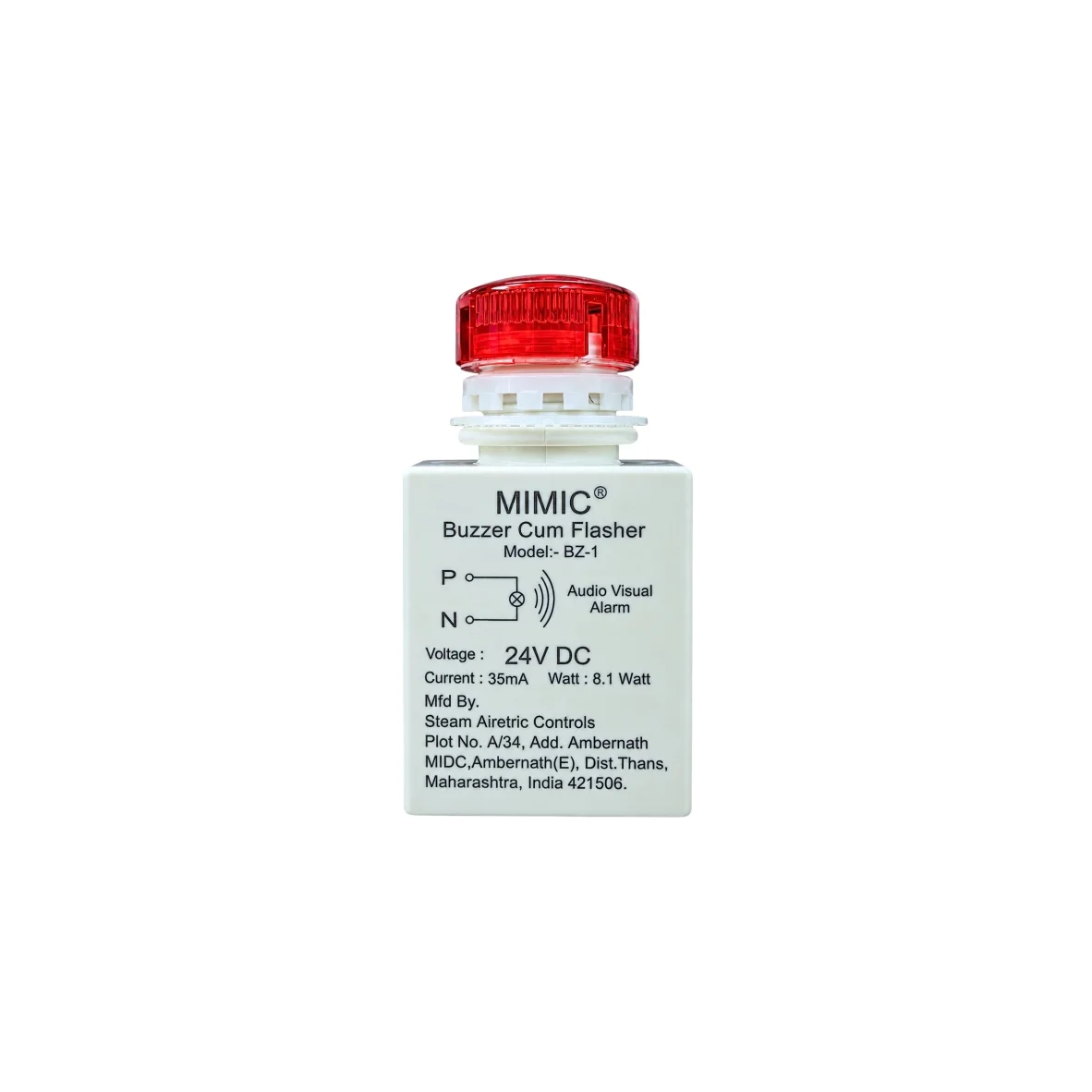
Electrical control panels play an important role in managing equipment, monitoring circuits, and supporting industrial operations. Operators often depend on indicators and warning devices to understand when a system needs attention. However, in workplaces where several machines operate simultaneously, a warning must be noticeable enough to reach the people responsible for monitoring the process. An Audio visual alarm can help address this need by combining sound with a flashing light signal.
Selecting a suitable warning device involves more than identifying a product category. Businesses need to consider the operating environment, electrical requirements, installation position, and the type of warning that must be communicated. Understanding these factors can help create a more organised approach to industrial signaling.
The Importance of Warning Devices in Control Panels
Control panels bring together electrical components used to operate or monitor machinery and processes. Depending on the system design, an operator may need to know when a fault occurs, a process condition changes, or an inspection is required.
Warning devices provide an additional way to communicate these events. Without a clear alert, an operator may overlook a condition while concentrating on another task or working away from the panel.
A properly selected alarm can help draw attention to the relevant equipment. It should be part of a wider control and safety arrangement, with each warning linked to a defined condition and an appropriate response procedure.
How Sound and Flashing Light Work Together
An audio visual signaling device uses two forms of notification to attract attention.
Audible signaling: A buzzer or similar sound-producing component generates an alert that can be heard by personnel within the effective range of the device.
Visual signaling: A flashing light provides a visible indication that a warning is active. This can help people recognise an alert when they are looking toward the equipment.
Combined notification: Using sound and light together provides two ways to communicate the same warning. The effectiveness depends on factors such as background noise, lighting conditions, placement, and the device's specifications.
The device itself does not necessarily identify the reason for an alert. That information depends on the connected equipment, control logic, and the way the system has been configured.
Where Can Audio Visual Alarms Be Useful?
The applications of an Audio visual alarm depend on the model's electrical ratings and intended operating conditions. Common examples include the following.
Electrical Distribution and Control Panels
Electrical panels may require warning signals to notify personnel about selected operating conditions. A suitable device can be incorporated into the panel's signaling arrangement when its ratings match the circuit requirements.
Manufacturing and Production Lines
Production environments often contain multiple machines and workstations. Audible and visual alerts can help operators recognise conditions that require checking, reducing reliance on continuously watching individual indicators.
Industrial Automation Systems
Automated processes use controllers, sensors, and other equipment to monitor operations. A warning device can communicate a predefined event when connected to a compatible control system.
Workshops and Equipment Rooms
Maintenance teams may work around electrical equipment where clear communication is important. Properly positioned warning devices can help alert personnel to selected conditions during equipment operation.
Process Monitoring Areas
Where operators monitor several processes, consistent warning signals can help direct attention to a particular system. The signals should be clearly defined so that personnel know how to respond.
These are general examples rather than a guarantee that every model is suitable for every location. Always check the manufacturer's documentation before choosing a device.
Five Factors to Consider Before Selecting a Warning Device
Choosing a warning device should begin with the requirements of the installation. The following factors can help guide the selection process.
1. Check the Required Operating Voltage
Electrical compatibility is essential. Confirm the device's rated voltage and ensure it matches the intended supply and control circuit. Models designed for different voltage requirements should not be treated as interchangeable.
2. Evaluate the Working Environment
Consider whether the device will be installed inside a control panel, in an open industrial area, or in a location exposed to dust or moisture. Where environmental protection is necessary, check the product's specified protection rating and installation limitations.
3. Consider Sound and Light Visibility
A warning that is difficult to hear or see may not serve its intended purpose. Review background noise, ambient lighting, viewing angles, and the distance between the device and the people who need to notice it.
4. Confirm System Compatibility
Determine how the alarm will be activated and whether the device is compatible with the existing control arrangement. Wiring details and electrical characteristics should be verified by qualified personnel.
5. Review Maintenance Requirements
Warning devices need periodic inspection and functional testing. Consider whether the installation allows authorised staff to access the unit safely for routine checks and replacement when required.
Installation Practices That Support Better Performance
Even a suitable device may not perform as expected if it is installed incorrectly. Before installation, personnel should review the product documentation, confirm the electrical supply, and verify the intended mounting arrangement.
The device should be positioned so that its sound and light can reach the intended audience under normal working conditions. Wiring must follow the manufacturer's instructions and applicable electrical safety requirements. Electrical work should be performed by qualified personnel, using appropriate isolation and safety procedures.
After installation, the warning functions should be tested to confirm that the sound and light operate correctly. The test should also verify that the alarm responds to the intended signal from the control system.
It is equally important to explain the meaning of each warning to operators. If different alarms represent different conditions, clear labels and documented procedures can help reduce confusion and support consistent responses.
Maintenance: Keeping Warning Signals Functional
Routine maintenance helps identify problems before a warning device is needed during an actual operating event. The inspection schedule should follow the manufacturer's recommendations and the facility's maintenance procedures.
Useful checks may include:
-
Confirming that the audible signal operates as intended.
-
Checking that the flashing light functions correctly.
-
Inspecting the enclosure for visible damage.
-
Reviewing wiring and connections where appropriate.
-
Investigating intermittent operation or unexpected activation.
-
Recording defects and arranging repairs or replacement when necessary.
If the device fails a functional test, personnel should follow the site's procedures for managing the affected equipment or warning function. An alarm should never be assumed to be operational simply because it was working during an earlier inspection.
Understanding Buzzer Cum Flasher Products
A buzzer cum flasher combines audible and flashing visual indication in a single device. This type of product may be useful where a control panel or industrial system requires both forms of warning from one unit.
When comparing products, users should review voltage requirements, mounting arrangements, operating conditions, and other technical details relevant to the application. The most appropriate option is the one that matches the installation requirements rather than simply the one with the most familiar name.
Frequently Asked Questions
What does an audio visual alarm indicate?
It communicates a warning through sound and a visual signal. The specific meaning depends on the condition configured to activate the device.
Can a combined alarm be installed in any control panel?
Not necessarily. The device must be compatible with the panel's electrical supply, control circuit, mounting arrangement, and operating environment.
What is the advantage of combining sound and light?
Using both signals provides more than one way to attract attention. This can be useful when personnel are not continuously looking at the control panel.
Why should alarm signals be tested regularly?
Regular testing helps verify that both warning functions work correctly and allows faults to be identified during planned maintenance.
Does an alarm replace other electrical safety measures?
No. It supports warning communication but does not replace protective equipment, emergency procedures, interlocks, or other safeguards required by the application.
Conclusion
Control panels and industrial equipment need clear ways to communicate conditions that require attention. By combining audible and visual notification, an Audio visual alarm can help make selected warnings more noticeable and support equipment monitoring in suitable industrial environments.
Successful implementation depends on choosing a compatible model, installing it correctly, maintaining its functions, and ensuring operators understand the warning signals. Reviewing these factors helps businesses make more informed decisions when planning an industrial signaling system.
For more information about available warning devices, visit Mimic Products and explore the Buzzer Cum Flasher range to review specifications and identify options suited to your application.

 Arabic
 French
 Spanish
 Portuguese
 Deutsch
 Turkish
 Dutch
 Italiano
 Russian
 Romaian
 Portuguese (Brazil)
 Greek